Wood Stain Application Problems Guide

Professional solutions for wood stain application issues from Massachusetts experts with 20+ years of experience.

Understanding Wood Stain Application Issues

Wood stain application problems can transform what should be a beautiful wood finishing project into a frustrating experience with uneven color, blotchy appearance, or poor penetration that fails to enhance the natural beauty of the wood. These issues are particularly challenging because wood staining requires a deep understanding of wood characteristics, proper preparation techniques, and precise application methods that vary significantly between different wood species and environmental conditions. With over 2,000 projects completed across Massachusetts, our team at Deluxe General Services has encountered every type of stain application problem and developed proven strategies for both prevention and correction.

Successful wood staining depends on multiple factors working in harmony, including proper wood preparation, appropriate stain selection, optimal environmental conditions, and skilled application techniques. When any of these elements is compromised, the result can be disappointing and costly to correct. Understanding the science behind how stain interacts with wood fibers is crucial for achieving professional results.

Wood staining differs fundamentally from paint application because stain penetrates into the wood fibers rather than forming a surface film. This means that surface preparation, wood porosity, grain direction, and moisture content all play critical roles in determining the final appearance. Professional wood finishers understand these variables and adjust their techniques accordingly to achieve consistent, beautiful results.
Complex Staining Problems?

Difficult wood staining issues often require professional assessment and specialized techniques. Our experienced team can diagnose and resolve even the most challenging stain application problems.

Get Professional Assessment

Common Wood Stain Application Problems

Blotchy and Uneven Color

This is the most common stain application problem, characterized by irregular color distribution with dark and light areas creating a mottled appearance. Blotching typically occurs on woods with varying grain density, such as pine, cherry, and maple, where softer areas absorb more stain than harder grain sections.

Poor Stain Penetration

When stain sits on the surface rather than penetrating into the wood fibers, it creates a weak, easily damaged finish that may appear cloudy or film-like. This often results from inadequate surface preparation, sealed wood pores, or using the wrong type of stain for the specific wood species.

Lap Marks and Streaking

Visible lines or streaks where stain application overlaps or where the stain has begun to dry before blending. These marks are particularly problematic on large surfaces and can be caused by working too slowly, environmental conditions, or improper application technique.

Color Variation Between Pieces

When multiple pieces of wood in the same project show different stain colors despite using the same product and technique. This can result from wood from different trees, varying moisture content, different grain orientations, or inconsistent preparation methods.

Grain Raising and Roughness

Water-based stains can cause wood fibers to swell and create a rough surface texture that affects both appearance and feel. This problem is particularly noticeable on woods with prominent grain patterns and can interfere with subsequent finishing steps.

Stain Bleeding and Migration

When stain continues to move or bleed after application, creating uneven color distribution or contaminating adjacent areas. This can occur with certain stain formulations, high humidity conditions, or when stain is applied too heavily.

Professional Stain Application Process

1

Assess Wood and Existing Conditions

Evaluate the wood species, grain pattern, moisture content, and any existing finishes or treatments. Test stain application on a hidden area to identify potential problems before proceeding with the entire project. Document any variations in wood characteristics that may require different treatment approaches.

🔍 Wood Species Identification

Different wood species require different staining approaches. Proper identification is crucial for selecting appropriate preparation and application techniques.

2

Prepare the Wood Surface

Sand the wood progressively through appropriate grits, typically ending with 150-220 grit depending on the wood species and desired finish. Remove all dust and debris, and consider using wood conditioner on problematic woods to promote even stain absorption.

3

Control Environmental Conditions

Ensure optimal temperature, humidity, and ventilation for stain application. Avoid staining in direct sunlight, extreme temperatures, or high humidity conditions that can affect stain penetration and drying characteristics.

4

Apply Stain with Proper Technique

Use appropriate application tools and techniques for the specific stain type and wood species. Work with the grain, maintain wet edges, and ensure consistent application pressure and timing. Remove excess stain according to manufacturer recommendations.

5

Blend and Correct Issues

Address any color variations or application problems while the stain is still workable. Use blending techniques to minimize lap marks and ensure uniform color distribution across the entire surface.

6

Allow Proper Curing and Finishing

Allow the stain to cure completely according to manufacturer specifications before applying any topcoats. Ensure the surface is properly prepared for subsequent finishing steps to achieve the desired final appearance and protection.

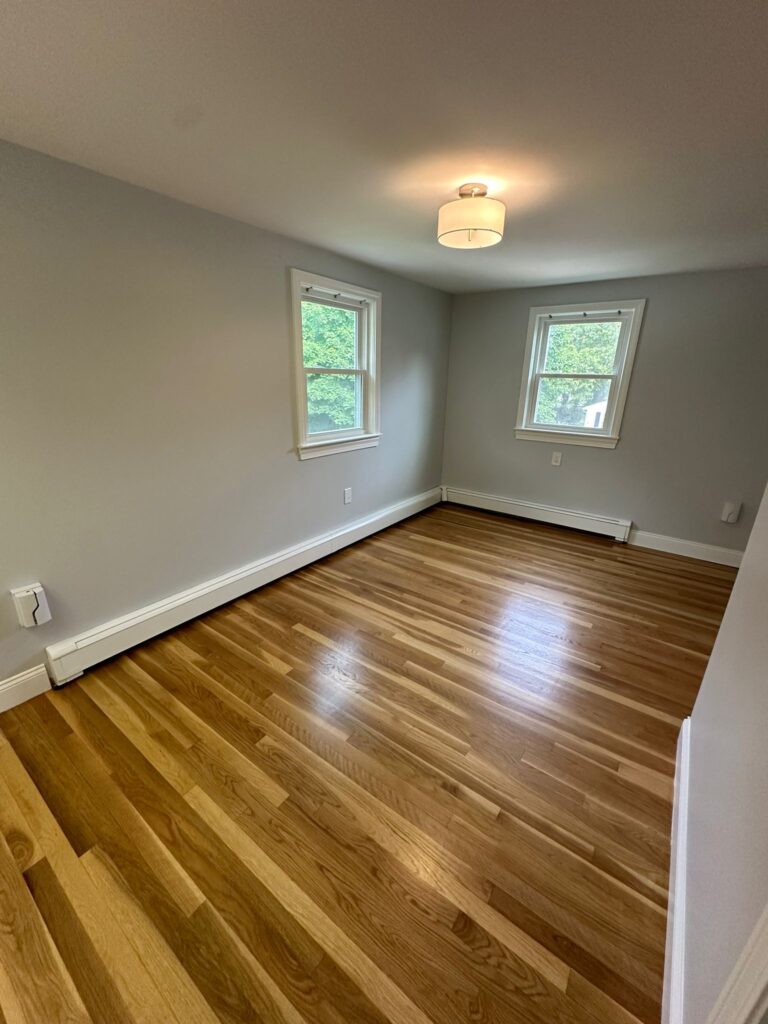
Professional Wood Finishing Excellence

Our team combines traditional craftsmanship with modern techniques to achieve stunning wood finishes that enhance the natural beauty of your wood while providing lasting protection.

Get Expert Wood Finishing

Preventing Stain Application Problems

Proper Wood Selection and Preparation

Choose wood pieces with consistent grain patterns and moisture content when possible. Ensure all wood is properly acclimated to the environment where it will be finished. Use appropriate sanding techniques and grits to create optimal surface conditions for stain absorption.

Stain Selection and Testing

Select stains appropriate for the specific wood species and desired appearance. Always test stain application on sample pieces or hidden areas to verify color and application characteristics before proceeding with the entire project.

Environmental Control

Control temperature, humidity, and air circulation during stain application and curing. Use appropriate lighting to evaluate color development and identify any application issues while they can still be corrected.

Application Planning

Plan the staining sequence to maintain wet edges and ensure consistent application timing. Have all necessary tools and materials ready before beginning, and work in manageable sections to maintain quality control throughout the project.

Quality Tools and Materials

Use high-quality brushes, rags, and application tools appropriate for the specific stain type. Ensure all tools are clean and in good condition to avoid contamination or application problems.

Professional Staining Techniques

Wood Conditioning Systems

Professional wood conditioners and sealers can dramatically improve stain uniformity on problematic woods. These products partially seal the wood pores to promote more even stain absorption and reduce blotching on species like pine and cherry.

Spray Application Methods

Professional spray equipment allows for more uniform stain application, particularly on large surfaces or complex shapes. Spray application can reduce lap marks and provide better control over stain penetration and color development.

Multi-Step Staining Processes

Complex color effects and improved uniformity can be achieved through multi-step staining processes that build color gradually. This approach allows for better control and correction of color variations as the process progresses.

Custom Color Matching

Professional color matching techniques allow for precise color reproduction and the ability to match existing finishes or achieve specific color requirements. This involves understanding color theory and stain mixing principles.

Our Professional Projects

See the quality and craftsmanship that sets Deluxe General Services apart. With 20+ years of experience and 2,000+ completed projects across Massachusetts.

Achieve Beautiful Wood Finishes

Don't let staining problems compromise your wood project's beauty. Professional techniques and expertise ensure stunning, uniform results that showcase the natural beauty of your wood.

Get Professional Wood Staining

Need Professional Wood Staining Solutions?

With 20+ years of experience and 2,000+ successful projects, Deluxe General Services has the expertise to achieve beautiful wood finishes on any project. Get your free consultation today!