Paint Texture Problems Guide

Professional solutions for paint texture issues and achieving smooth, uniform finishes from Massachusetts experts with 20+ years of experience.

Understanding Paint Texture Issues

Paint texture problems can transform an otherwise successful painting project into a visual disappointment, creating uneven surfaces that catch light differently and compromise the professional appearance of the finished work. These issues range from unwanted stipple patterns and orange peel texture to more serious problems like sagging, runs, and heavy brush marks that create an unprofessional appearance. With over 2,000 painting projects completed across Massachusetts, our team at Deluxe General Services has encountered every type of texture problem and developed proven strategies for both prevention and correction.

Texture problems often result from a combination of factors including improper application technique, wrong tool selection, adverse environmental conditions, or paint formulation issues. Understanding these factors is crucial because the solution often requires addressing multiple variables rather than simply applying more paint or attempting to sand out the problems after they've occurred.

Professional painters know that achieving the desired texture requires careful planning, proper tool selection, and skilled application techniques. Whether the goal is a perfectly smooth finish or a specific decorative texture, success depends on understanding how paint behaves during application and how different factors affect the final surface appearance.
Complex Texture Problems?

Some texture issues require professional assessment and specialized techniques to resolve properly. Our experienced team can diagnose and fix even the most challenging texture problems.

Get Professional Assessment

Common Paint Texture Problems

Orange Peel Texture

This dimpled texture resembles the skin of an orange and typically occurs when paint droplets don't flow together properly during application. Common causes include spraying at incorrect pressure, wrong tip size, improper thinning, or environmental conditions that cause paint to set up too quickly before it can level properly.

Heavy Roller Stipple

Excessive texture from roller application creates a pronounced stipple pattern that's more prominent than desired. This often results from using the wrong roller nap, applying too much pressure, using poor quality rollers, or failing to properly "lay off" the paint with light finishing strokes.

Brush Marks and Streaking

Visible brush strokes that don't level out create an uneven, streaky appearance. This can be caused by using the wrong brush type, poor quality brushes, incorrect paint consistency, working too slowly, or environmental conditions that prevent proper flow and leveling.

Sagging and Runs

Paint that flows downward creating drips, runs, or sagging areas results in uneven texture and film thickness. This typically occurs when paint is applied too heavily, thinned excessively, or applied in cool, humid conditions that slow drying.

Curtaining

This occurs when paint flows in vertical streaks, creating a curtain-like appearance. It's common in spray applications when paint is applied too heavily or when there are issues with spray pattern overlap or gun movement speed.

Fisheyes and Craters

Small circular defects in the paint film where the paint pulls away from the surface, creating crater-like depressions. These are typically caused by contamination on the surface, usually silicone or oil-based substances that prevent paint adhesion.

Professional Texture Repair Process

1

Assess the Texture Problem

Carefully examine the surface to identify the specific type of texture issue and its extent. Determine whether the problem is throughout the entire surface or localized to specific areas. This assessment will guide the repair strategy and help determine if spot repairs are possible or if complete refinishing is needed.

🔍 Professional Evaluation

Use proper lighting to evaluate texture problems. Raking light (light at a low angle) reveals texture issues that may not be visible under direct lighting.

2

Determine Repair Approach

Based on the assessment, decide whether to sand and refinish, apply additional coats with proper technique, or use specialized texture repair methods. Minor texture issues might be correctable with careful sanding and recoating, while severe problems may require complete removal and reapplication.

3

Prepare the Surface

For sanding approaches, use appropriate grit sandpaper to level the surface without creating scratches or gouges. For recoating approaches, clean the surface thoroughly and ensure proper adhesion conditions. Remove any contamination that might have caused the original problem.

4

Address Root Causes

Identify and correct the factors that caused the original texture problem. This might involve changing application techniques, adjusting environmental conditions, using different tools, or modifying paint formulation to prevent recurrence of the issue.

5

Apply Corrective Coating

Use proper application techniques and tools to achieve the desired texture. This may involve spray application for smooth finishes, specialized roller techniques for uniform stipple, or brush techniques for specific texture patterns. Pay careful attention to environmental conditions and timing.

6

Quality Control and Touch-up

Inspect the repaired areas under various lighting conditions to ensure uniform texture and appearance. Address any remaining issues with careful touch-up work, blending repair areas seamlessly with surrounding surfaces.

Professional Texture Control

Our team uses advanced application techniques and professional-grade equipment to achieve precise texture control, from perfectly smooth finishes to custom decorative textures.

Get Professional Texture Work

Preventing Texture Problems

Proper Tool Selection

Choose application tools appropriate for the desired finish and surface conditions. This includes selecting the right roller nap, brush type, or spray equipment settings. Quality tools are essential for achieving consistent, professional results.

Environmental Control

Control temperature, humidity, and air movement during application. Ideal conditions vary by paint type, but generally involve moderate temperatures, controlled humidity, and minimal air movement that could affect paint flow and leveling.

Paint Preparation and Conditioning

Ensure paint is at proper consistency and temperature for application. This may involve thinning for spray applications, adding flow additives for brush and roller work, or warming paint to improve flow characteristics.

Application Technique

Develop consistent application techniques that promote proper flow and leveling. This includes maintaining wet edges, using appropriate application patterns, and applying paint at proper film thickness for the specific product and conditions.

Surface Preparation

Proper surface preparation creates uniform conditions that promote consistent texture. This includes thorough cleaning, appropriate priming, and ensuring uniform porosity and smoothness across the entire surface.

Professional Texture Control Methods

Spray Application for Smooth Finishes

Professional spray equipment allows for precise control of texture, from ultra-smooth finishes to specific stipple patterns. Proper spray technique involves correct pressure settings, tip selection, gun distance, and overlap patterns to achieve uniform results.

Back-Rolling Techniques

Combining spray application with immediate back-rolling can create uniform texture while maintaining the speed and coverage benefits of spraying. This technique requires coordination and proper timing to achieve consistent results.

Specialized Texture Tools

Various tools and techniques can create specific texture patterns, from sponge applications for subtle texture to specialized rollers for decorative patterns. Professional application requires understanding how these tools interact with different paint formulations.

Multi-Coat Texture Building

Some texture effects require multiple coats applied with specific techniques to build up the desired pattern. This approach allows for greater control and the ability to adjust texture intensity as the work progresses.

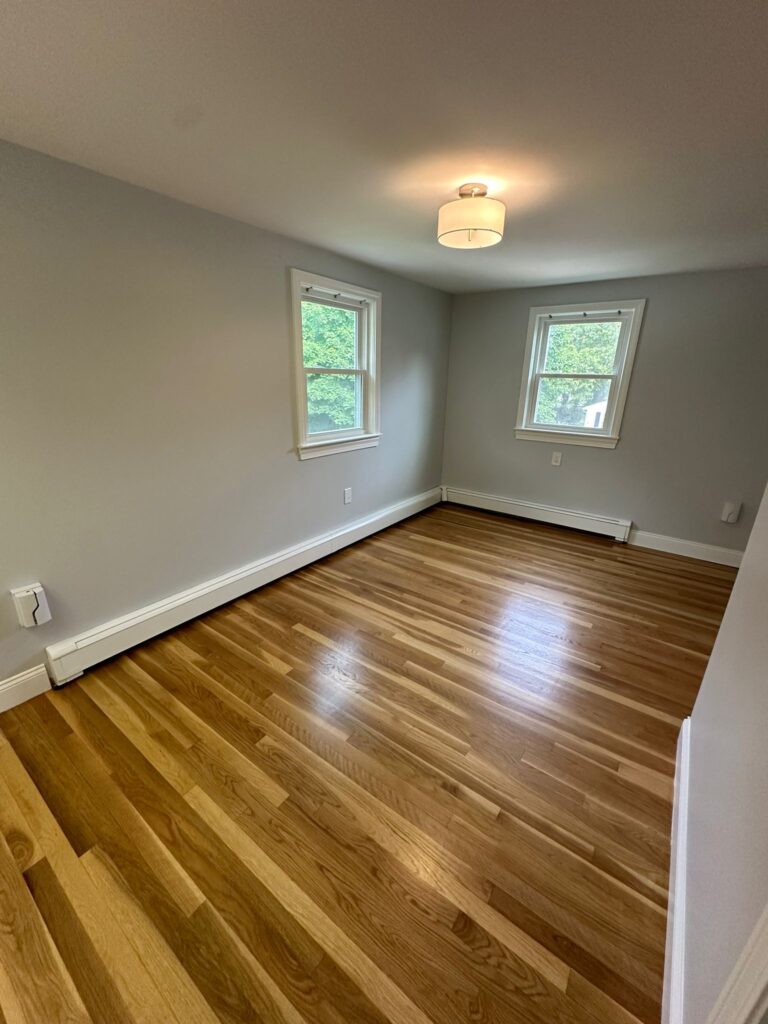
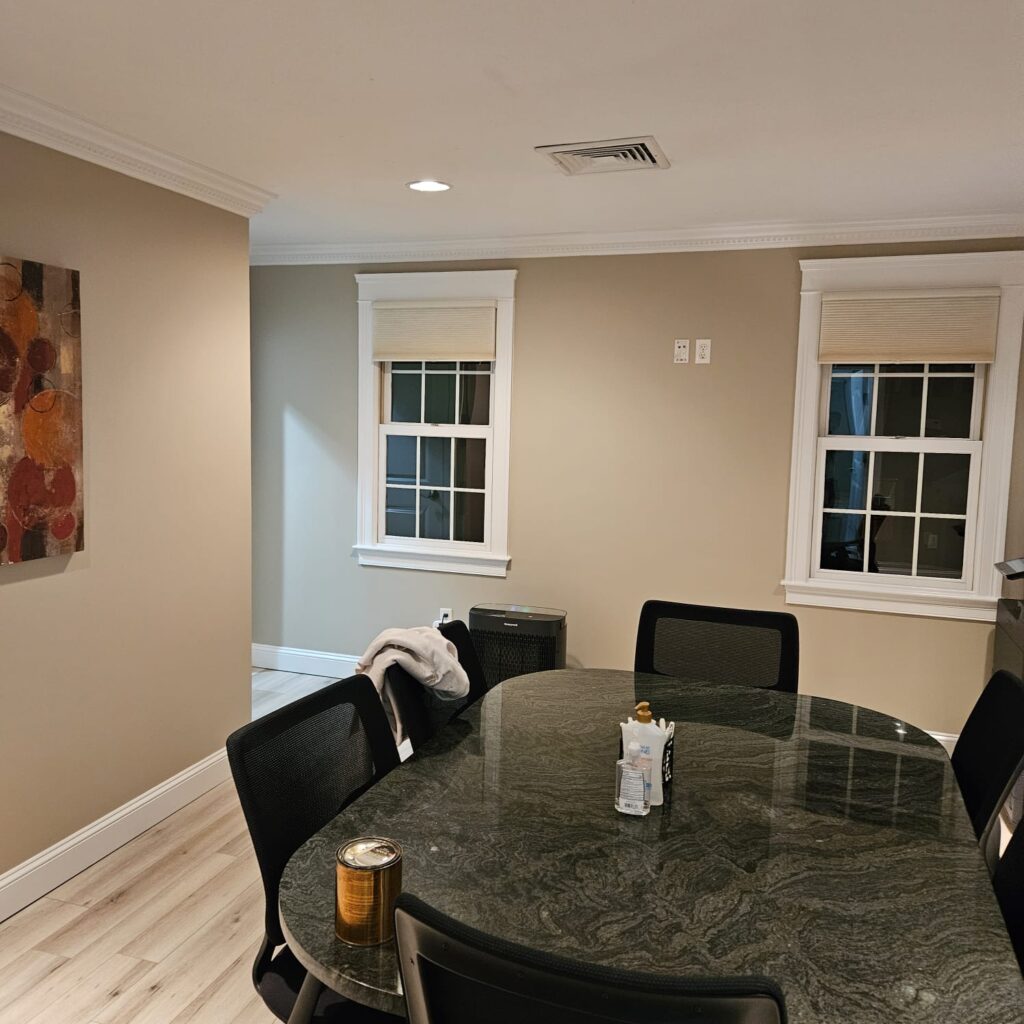
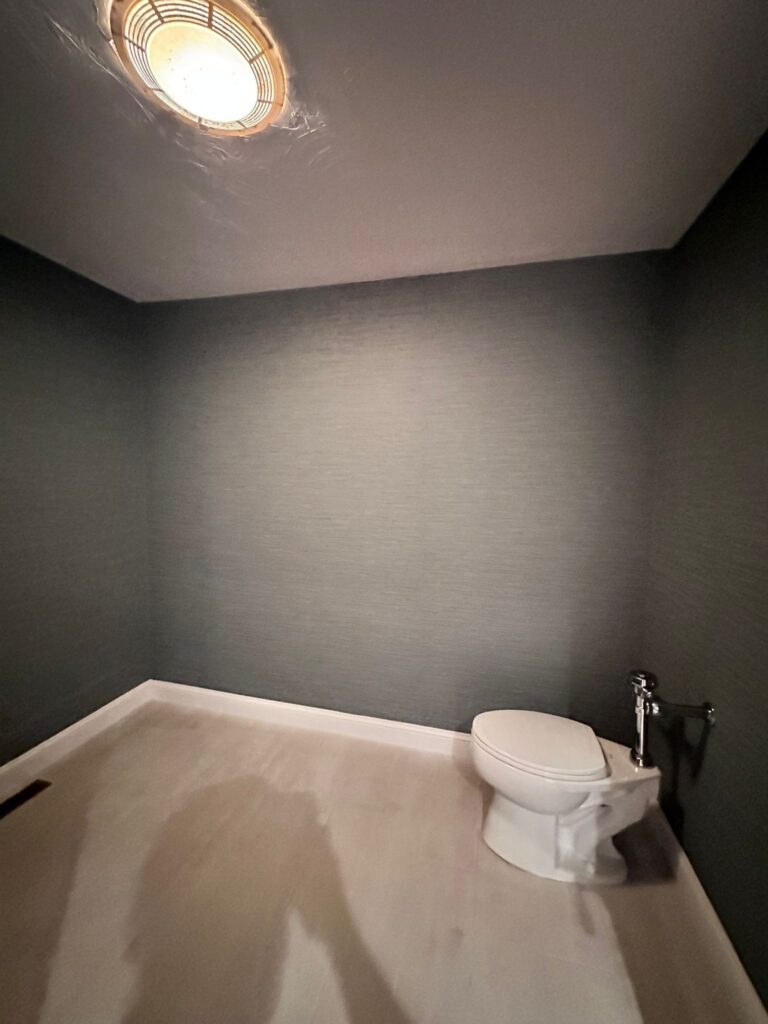
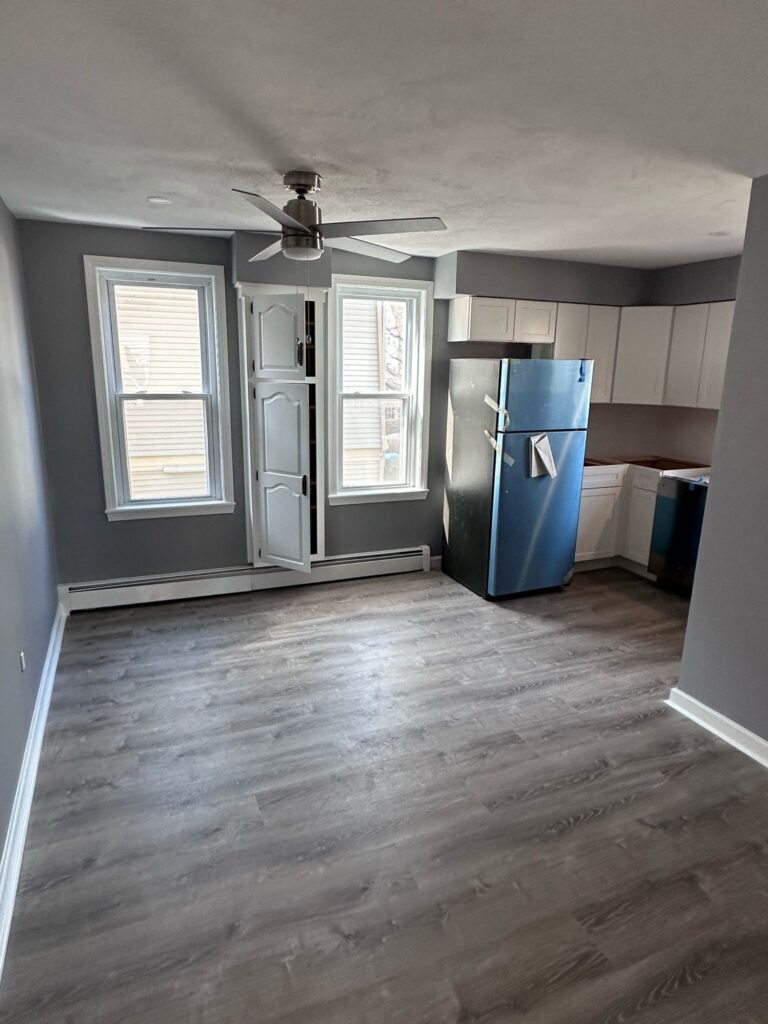
Our Professional Projects

See the quality and craftsmanship that sets Deluxe General Services apart. With 20+ years of experience and 2,000+ completed projects across Massachusetts.

Achieve Perfect Texture Control

Don't let texture problems compromise your project's appearance. Professional techniques and equipment ensure consistent, beautiful texture that enhances your space's aesthetic appeal.

Get Professional Texture Solutions

Need Professional Texture Solutions?

With 20+ years of experience and 2,000+ successful projects, Deluxe General Services has the expertise to achieve any texture requirement. Get your free consultation today!