Paint Roller Marks Prevention Guide

Professional techniques for achieving smooth, roller-mark-free finishes from Massachusetts painting experts with 20+ years of experience.

Mastering Roller Technique

Roller marks are one of the most common issues that separate amateur paint jobs from professional results. These visible patterns, streaks, and texture variations occur when paint doesn't level properly after roller application, leaving behind the distinctive stipple pattern of the roller nap. With over 2,000 painting projects completed across Massachusetts, our team at Deluxe General Services has perfected the techniques needed to achieve smooth, uniform finishes that rival spray-applied coatings.

The key to eliminating roller marks lies in understanding how paint behaves during application and how different factors—from roller selection to application technique—affect the final result. Modern paints are formulated to self-level after application, but this process can be disrupted by poor technique, wrong equipment, or adverse conditions.

Professional painters know that preventing roller marks is much more effective than trying to fix them after the paint has dried. Once the paint has cured with visible roller patterns, the only solution is usually sanding and repainting. That's why mastering proper roller technique is essential for anyone serious about achieving professional-quality results.
Struggling with Roller Marks?

Achieving a perfectly smooth roller finish requires the right equipment, technique, and experience. Our professional team can deliver the flawless results you're looking for.

Get Professional Results

Why Roller Marks Occur

Wrong Roller Selection

Using the wrong roller nap for your surface is the most common cause of roller marks. Smooth surfaces require short nap rollers (1/4" to 3/8"), while textured surfaces need longer naps (1/2" to 3/4"). Using a long nap roller on smooth surfaces creates excessive texture, while short naps on rough surfaces don't provide adequate coverage.

Poor Quality Rollers

Cheap rollers shed fibers, don't hold paint evenly, and create inconsistent application patterns. Low-quality roller covers may have uneven nap distribution or poor core construction that affects paint distribution. Investing in professional-grade roller covers is essential for smooth results.

Improper Loading Technique

Overloading or underloading the roller creates uneven paint distribution. Too much paint causes drips and heavy texture, while too little paint results in dry rolling and visible lap marks. Proper loading technique ensures consistent paint film thickness.

Incorrect Application Pressure

Applying too much pressure squeezes paint out of the roller and creates heavy stipple patterns. Too little pressure results in inadequate coverage and visible roller tracks. Consistent, moderate pressure is key to smooth application.

Poor Rolling Pattern

Random rolling patterns or failure to maintain wet edges creates visible lap marks and texture variations. Professional rolling patterns ensure uniform coverage and smooth blending between sections.

Environmental Factors

Temperature, humidity, and air movement affect how paint flows and levels after application. Hot, dry conditions cause paint to set up too quickly, preventing proper leveling. High humidity can cause paint to stay wet too long, leading to sagging and texture issues.

Professional Roller Technique

1

Select the Right Roller

Choose a high-quality roller cover with the appropriate nap length for your surface. For smooth walls, use 1/4" to 3/8" nap. For lightly textured surfaces, use 3/8" to 1/2" nap. For heavily textured surfaces, use 1/2" to 3/4" nap. Synthetic covers work best with latex paints, while natural covers are better for oil-based paints.

🎯 Professional Tip

Pre-condition new roller covers by washing them in warm water and spinning out excess moisture. This removes loose fibers and improves paint pickup and release.

2

Prepare Your Paint and Tools

Use a high-quality paint tray with a textured ramp for even loading. Consider adding a paint conditioner to improve flow and leveling. Ensure your paint is at the proper consistency and temperature—cold paint is thicker and harder to roll smoothly.

3

Load the Roller Properly

Dip the roller about 1/3 of the way into the paint, then roll it up and down the textured ramp 3-4 times to distribute paint evenly throughout the nap. The roller should be fully loaded but not dripping. Avoid overloading, which causes drips and heavy texture.

4

Use the W Pattern

Start by rolling a large "W" or "M" pattern on the wall to distribute paint over the area. This initial pattern helps spread paint evenly before you begin the smoothing process. Work in sections about 4 feet square to maintain control and wet edges.

5

Fill and Smooth

After creating the initial pattern, fill in the area with parallel strokes, overlapping each stroke by about 50%. Use consistent, moderate pressure and maintain the same rolling speed. Work systematically from top to bottom or left to right.

6

Final Smoothing Pass

Make a final light pass with an almost-dry roller to smooth out any remaining texture. Use very light pressure and long, straight strokes in one direction. This "laying off" technique helps the paint level for a smooth finish.

Professional Equipment and Technique

Our team uses premium roller covers, professional-grade paint conditioners, and proven application techniques that ensure smooth, uniform finishes every time. Experience the difference professional tools make.

See Professional Results

Advanced Roller Techniques

Paint Conditioners and Additives

Paint conditioners like Floetrol for latex paints significantly improve flow and leveling, making it easier to achieve smooth roller finishes. These additives extend the working time of paint, allowing it to self-level and eliminate roller stipple. Use according to manufacturer instructions—typically 8-16 ounces per gallon.

Back-Rolling Technique

For textured surfaces or when using a sprayer, back-rolling with a roller immediately after application ensures uniform texture and coverage. This technique combines the speed of spraying with the texture control of rolling.

Extension Pole Usage

Using an extension pole allows for better control and reduces fatigue, leading to more consistent application. It also enables you to maintain proper distance from the surface and apply more even pressure throughout the stroke.

Multiple Coat Strategy

Apply multiple thin coats rather than trying to achieve full coverage in one heavy coat. Thin coats level better and are less likely to show roller marks. Allow proper drying time between coats for best results.

Fixing Existing Roller Marks

Assessment and Planning

Evaluate the severity of roller marks before deciding on a correction method. Light stipple patterns might be fixable with careful sanding and recoating, while heavy texture may require complete removal and repainting. Consider the age and type of paint when planning your approach.

Sanding Technique

For dried roller marks, light sanding with 220-grit sandpaper can level the surface. Sand gently to avoid creating low spots or damaging the underlying surface. Use a sanding block for even pressure and work in the direction of the roller marks, not across them.

Skim Coating Option

For severe texture issues, consider applying a thin skim coat of joint compound to create a perfectly smooth surface. This technique requires skill but can eliminate even heavy roller texture when done properly.

Repainting Strategy

When repainting over roller marks, use proper technique and consider using a paint conditioner to improve leveling. Apply thin coats and use the professional techniques outlined above to prevent the problem from recurring.

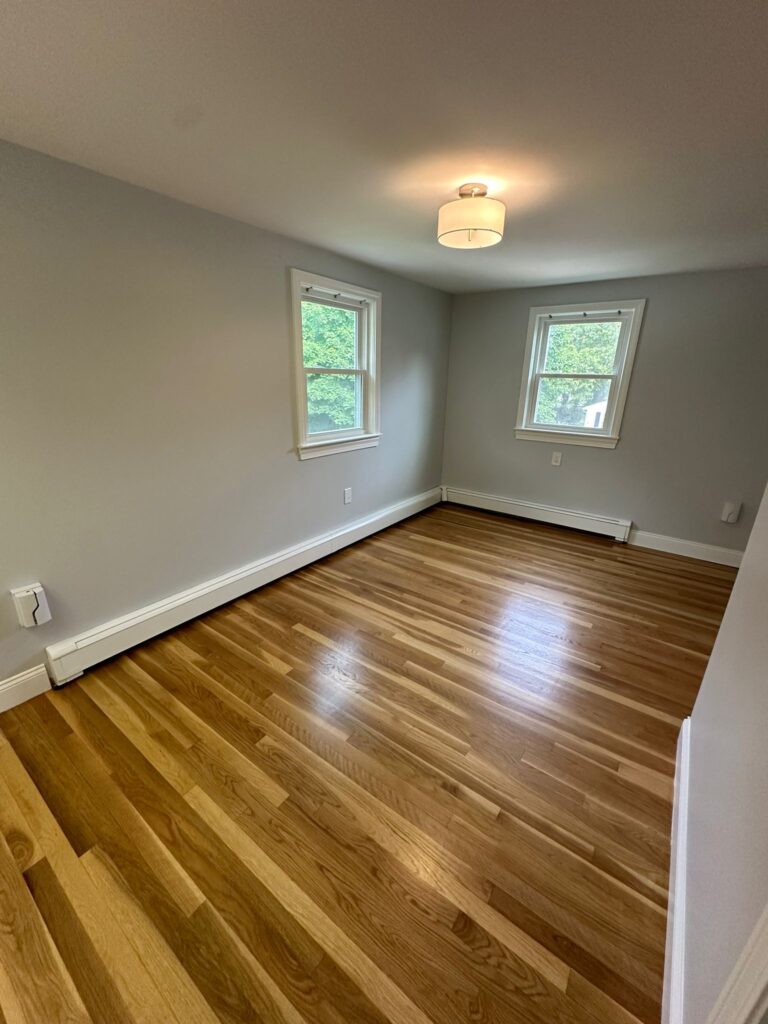
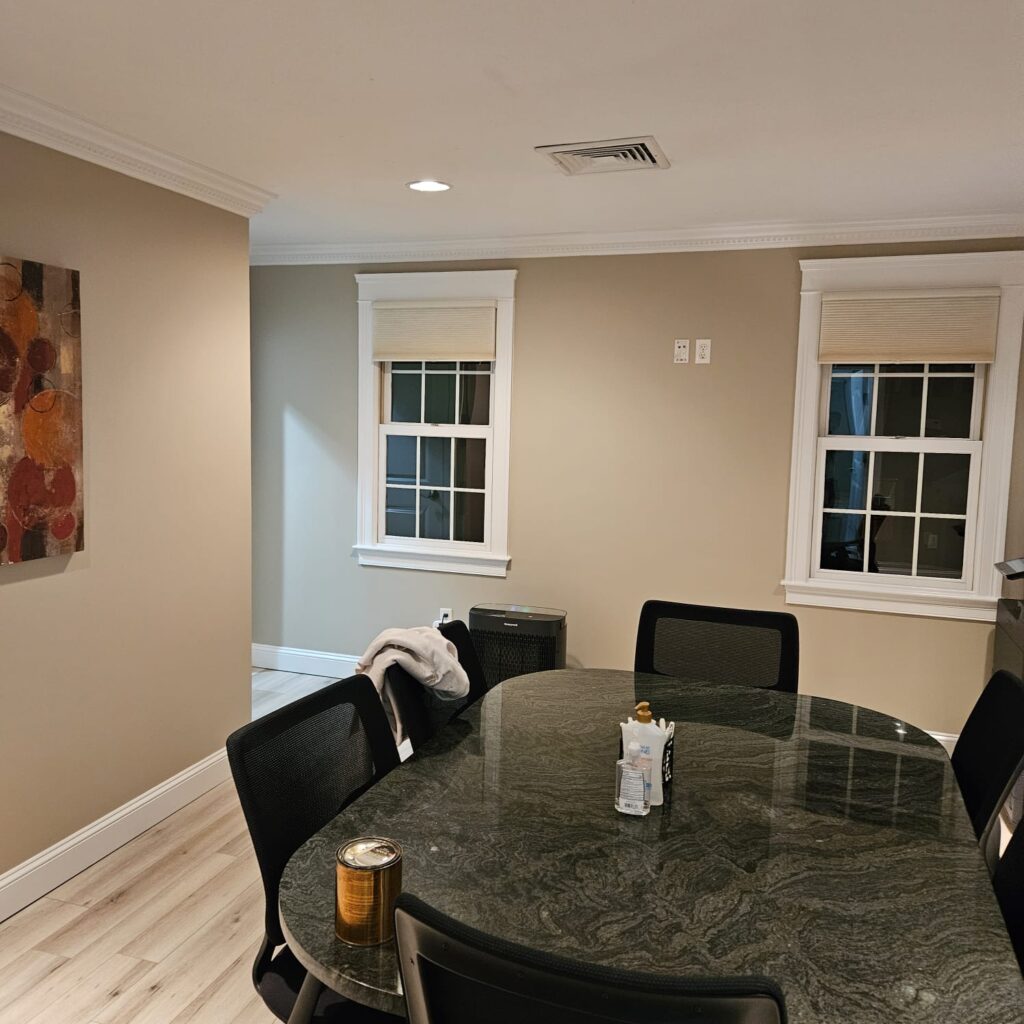
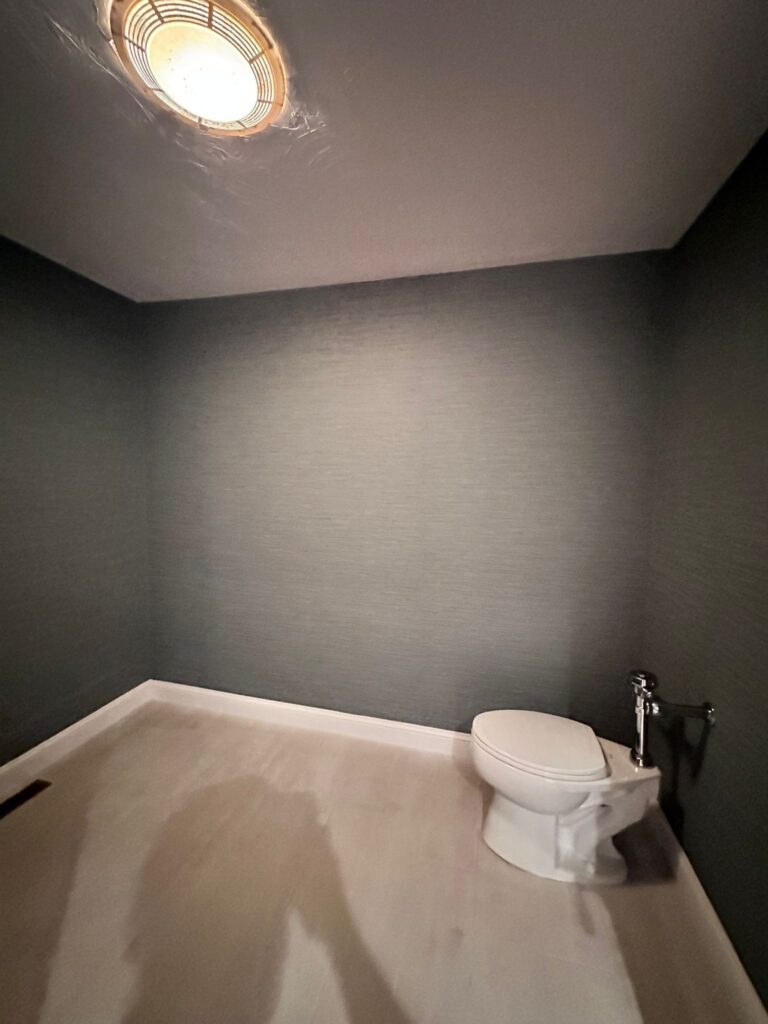
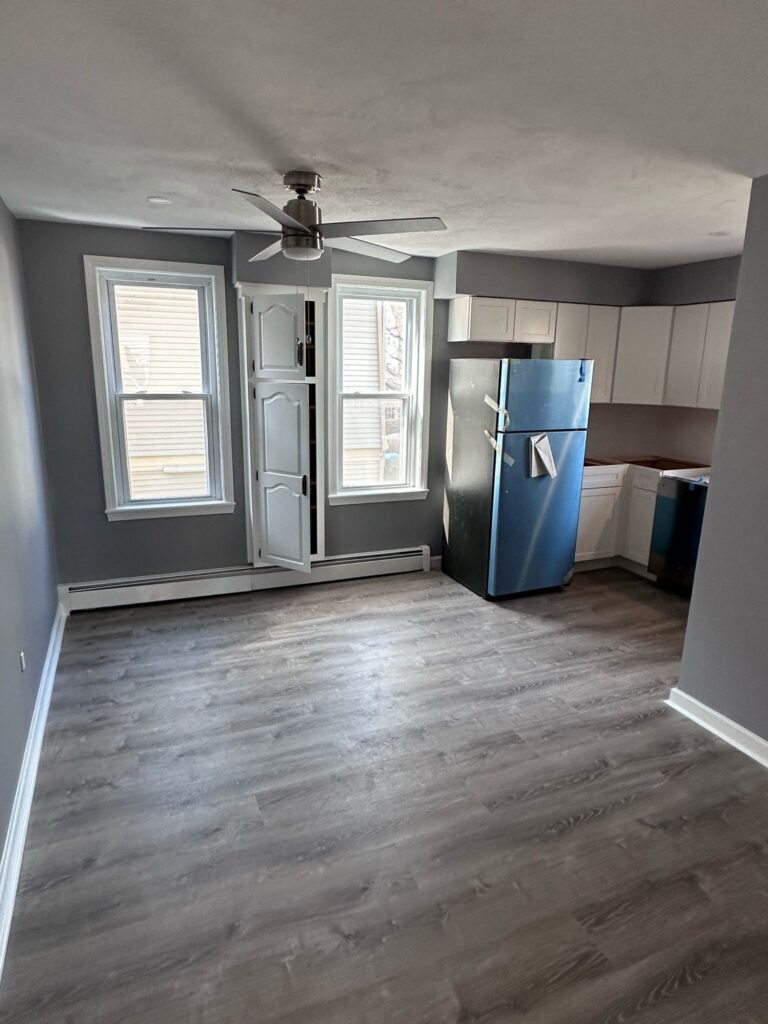
Our Professional Projects

See the quality and craftsmanship that sets Deluxe General Services apart. With 20+ years of experience and 2,000+ completed projects across Massachusetts.

Want Spray-Quality Roller Finishes?

Achieving truly smooth, professional roller finishes requires expertise, premium equipment, and years of experience. Let us deliver the flawless results you deserve.

Get Professional Roller Finishes

Need Professional Roller Technique Help?

With 20+ years of experience and 2,000+ successful projects, Deluxe General Services has the expertise to deliver smooth, roller-mark-free finishes. Get your free consultation today!