Paint Fading and Discoloration Solutions

Professional restoration techniques for faded and discolored paint from Massachusetts experts with 20+ years of experience.

Understanding Paint Fading and Discoloration

Paint fading and discoloration are inevitable processes that affect all painted surfaces over time, but understanding the causes and implementing proper restoration techniques can dramatically extend the life and appearance of your paint job. With over 2,000 painting projects completed across Massachusetts, our team at Deluxe General Services has developed comprehensive strategies for both preventing and correcting color degradation issues.

Fading occurs when UV radiation breaks down the chemical bonds in paint pigments, causing colors to lose their intensity and vibrancy. Discoloration can result from various factors including environmental pollutants, moisture damage, chemical reactions, or incompatible materials. In Massachusetts, our variable climate with intense summer sun, harsh winters, and high humidity creates challenging conditions that accelerate these processes.

The key to successful restoration lies in identifying the specific cause of color degradation and choosing appropriate correction methods. Some fading can be addressed with cleaning and protective coatings, while severe discoloration may require complete repainting with upgraded materials designed to resist future degradation.
Severe Fading or Discoloration?

Extensive color degradation may require professional assessment and specialized restoration techniques. Our experienced team can evaluate your situation and recommend the most effective solution.

Get Professional Assessment

Common Causes of Color Degradation

UV Radiation Damage

Ultraviolet radiation is the primary cause of paint fading, particularly affecting organic pigments and certain synthetic colorants. South-facing surfaces receive the most intense UV exposure and typically show fading first. Red, yellow, and blue pigments are particularly susceptible to UV degradation, while earth tones and whites generally show better UV resistance.

Environmental Pollutants

Air pollution, acid rain, and industrial emissions can cause chemical reactions that alter paint colors. These pollutants can create a film on the surface that changes color perception or actually react with paint components to cause permanent discoloration. Urban and industrial areas typically experience more pollution-related color changes.

Moisture and Humidity

Excessive moisture can cause paint to fade unevenly, create water stains, or promote the growth of mold and mildew that discolors surfaces. In Massachusetts, high humidity levels and frequent precipitation create conditions that can accelerate moisture-related color problems.

Heat and Temperature Fluctuations

Extreme heat can accelerate chemical reactions that break down pigments, while repeated temperature cycling causes expansion and contraction that can affect paint integrity. Dark colors absorb more heat and are particularly susceptible to heat-related fading.

Chemical Reactions

Certain materials can react with paint to cause discoloration. Tannins from wood, rust from metal, or alkaline substances from masonry can bleed through paint and cause staining. Incompatible primers or paints can also react to create color changes.

Poor Quality Materials

Lower-grade paints with inferior pigments and binders are more susceptible to fading and discoloration. Cheap pigments may not be lightfast, and poor-quality binders may break down quickly under environmental stress.

Professional Restoration Process

1

Assess the Damage

Carefully evaluate the extent and type of fading or discoloration. Determine whether the problem is surface-level or has penetrated into the paint film. Look for patterns that might indicate the cause—UV fading typically affects sun-exposed areas, while chemical staining may appear in specific locations. Document the condition with photos for reference.

🔍 Professional Tip

Use a color meter or compare affected areas to protected sections (like under eaves) to quantify the degree of color change and determine if restoration is feasible.

2

Clean the Surface Thoroughly

Start with gentle cleaning using mild detergent and water. For stubborn stains or pollution buildup, use specialized cleaners appropriate for the surface type. Pressure washing may be necessary for exterior surfaces, but use caution to avoid damage. Allow surfaces to dry completely before proceeding.

3

Test Restoration Methods

Before committing to a full restoration approach, test different methods on small, inconspicuous areas. Try color-restoring products, stain-blocking primers, or sample patches of new paint to determine the best approach for your specific situation.

4

Address Underlying Issues

If discoloration is caused by bleeding from the substrate, apply an appropriate stain-blocking primer. For moisture-related issues, ensure proper drainage and ventilation. Address any structural problems that might be contributing to the color degradation.

5

Apply Restoration Treatment

Depending on the assessment, apply the chosen restoration method. This might involve color-restoring products for minor fading, spot priming for stains, or complete repainting for severe degradation. Use high-quality, UV-resistant materials to prevent future problems.

6

Implement Protective Measures

Apply protective coatings or treatments to prevent future fading and discoloration. Consider UV-blocking clear coats, regular maintenance schedules, or environmental modifications like awnings or landscaping to reduce exposure to damaging elements.

Advanced Color Restoration Technology

Our team uses professional-grade color matching equipment and UV-resistant coatings that aren't available to homeowners. We can restore colors that seem impossible to match.

Access Professional Technology

Preventing Future Color Degradation

Choose UV-Resistant Materials

Invest in high-quality paints with superior UV resistance. Look for paints specifically formulated for your climate and exposure conditions. Acrylic latex paints generally offer better color retention than oil-based paints, and premium formulations include UV-blocking additives.

Proper Surface Preparation

Thorough surface preparation is crucial for long-term color stability. This includes using appropriate primers, especially stain-blocking primers where needed, and ensuring all surfaces are clean and properly prepared before painting.

Strategic Color Selection

Choose colors that are naturally more fade-resistant. Earth tones, whites, and colors with inorganic pigments typically show better longevity than bright organic colors. Consider the orientation and exposure of surfaces when selecting colors.

Environmental Protection

Where possible, provide physical protection from UV exposure through awnings, overhangs, or strategic landscaping. Ensure proper drainage and ventilation to minimize moisture-related problems.

Regular Maintenance

Implement a regular cleaning and inspection schedule. Early detection and treatment of color changes can prevent minor issues from becoming major problems. Consider applying protective clear coats periodically to extend paint life.

Advanced Restoration Techniques

Color Matching and Blending

Professional color matching involves more than just matching the current faded color—it requires understanding what the original color was and how to restore it. Advanced spectrophotometer technology can analyze faded colors and calculate the original formulation.

Selective Restoration

In some cases, only certain areas need restoration while others remain in good condition. Professional techniques can blend restored areas seamlessly with existing paint, avoiding the need for complete repainting.

Protective Overcoats

Clear protective coatings can be applied over existing paint to restore gloss and provide UV protection. These coatings can significantly extend the life of paint that's beginning to show signs of fading.

Stain Blocking and Isolation

For discoloration caused by bleeding or chemical reactions, specialized primers and sealers can isolate the problem and provide a stable base for new paint. This prevents the discoloration from recurring.

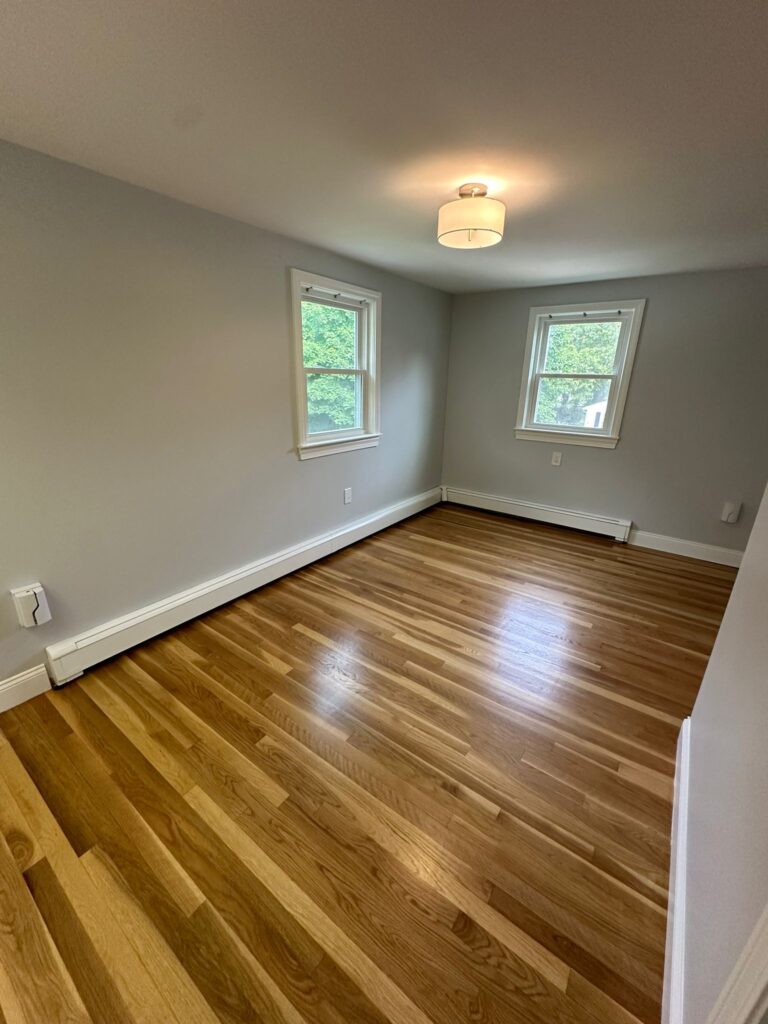
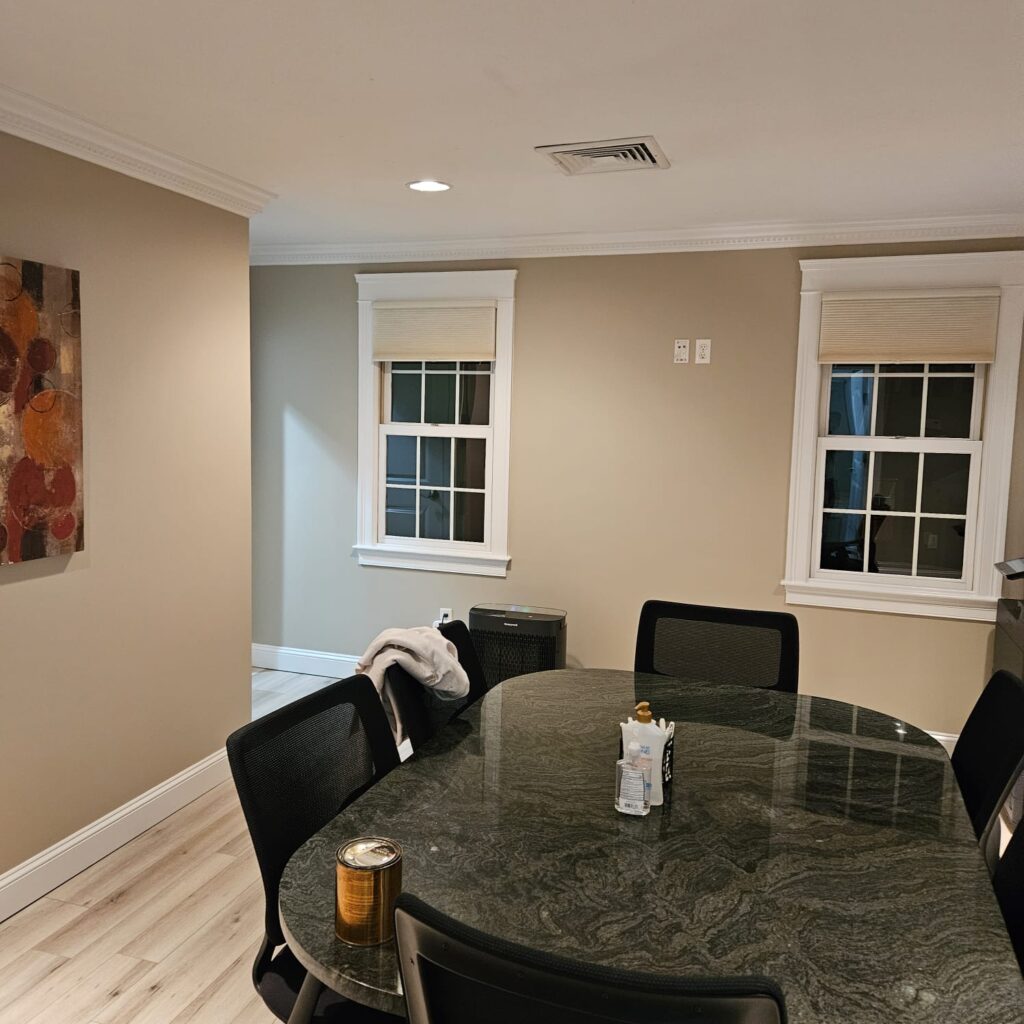
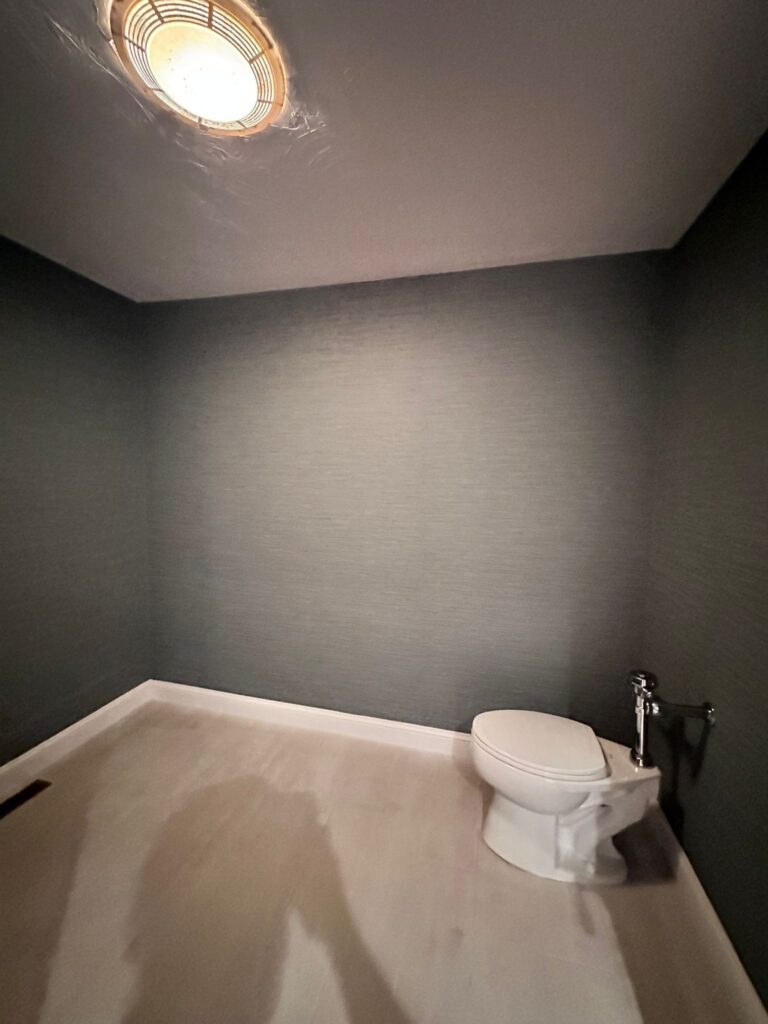
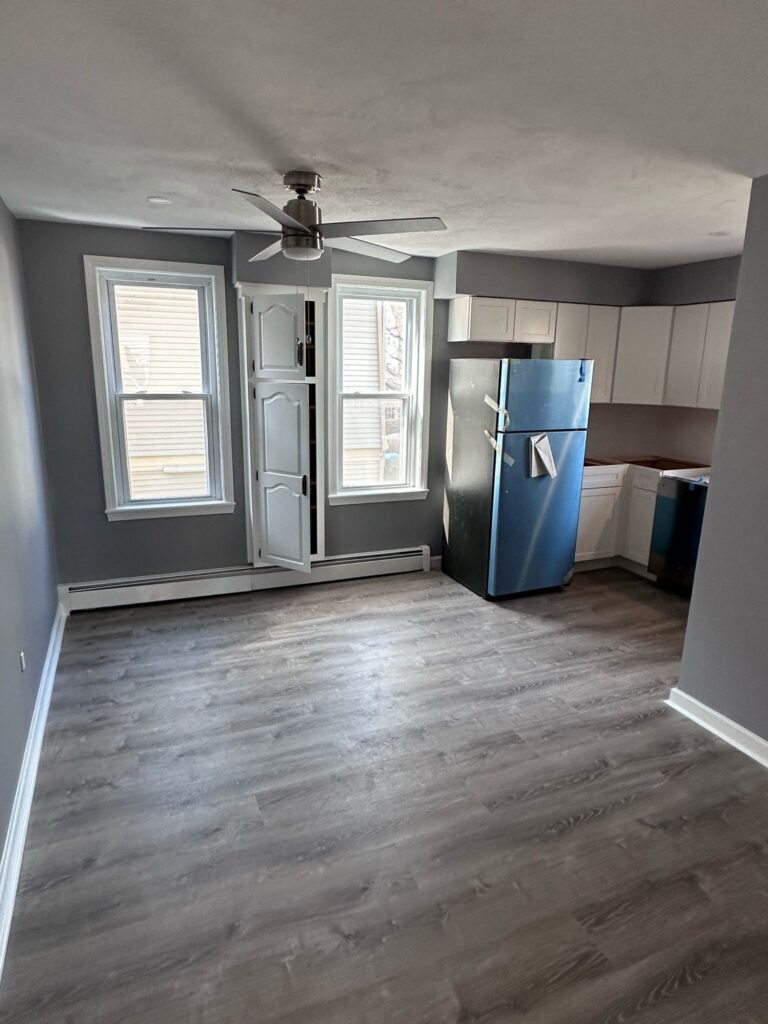
Our Professional Projects

See the quality and craftsmanship that sets Deluxe General Services apart. With 20+ years of experience and 2,000+ completed projects across Massachusetts.

Restore Your Home's Original Beauty

Don't let faded, discolored paint diminish your property's value and curb appeal. Professional restoration can bring back vibrant colors and protect against future degradation.

Restore Your Paint Today

Need Professional Color Restoration Help?

With 20+ years of experience and 2,000+ successful projects, Deluxe General Services has the expertise to restore any faded or discolored paint. Get your free consultation today!