Paint Drying and Curing Issues Guide

Professional solutions for paint drying and curing problems from Massachusetts experts with 20+ years of experience.

Understanding Paint Drying and Curing Problems

Paint drying and curing issues can significantly delay project completion and compromise the quality of the finished work, creating frustration for both painters and property owners. These problems range from paint that remains tacky for extended periods to coatings that never fully cure, leaving surfaces vulnerable to damage and premature failure. With over 2,000 painting projects completed across Massachusetts, our team at Deluxe General Services has encountered every type of drying and curing problem and developed proven strategies for both prevention and resolution.

Understanding the difference between drying and curing is crucial for addressing these issues effectively. Drying refers to the evaporation of solvents or water from the paint film, while curing involves the chemical cross-linking that creates the final, durable coating. Problems can occur in either or both processes, and the solutions often depend on identifying which stage is affected and why.

Environmental conditions play a critical role in paint drying and curing, particularly in Massachusetts where temperature and humidity can vary dramatically throughout the year. Professional painters must understand how these factors interact with different paint formulations and adjust their techniques accordingly to ensure proper film formation and performance.
Persistent Drying Problems?

Some drying and curing issues require professional assessment and specialized solutions. Our experienced team can diagnose and resolve even the most challenging paint curing problems.

Get Professional Assessment

Common Drying and Curing Problems

Slow Drying

Paint that takes much longer than expected to dry to the touch or become recoatable. This typically results from high humidity, low temperatures, poor ventilation, or paint that has been over-thinned. Slow drying can lead to dust contamination, sagging, and extended project timelines.

Incomplete Curing

Paint that appears dry but remains soft, tacky, or easily damaged even after extended time periods. This often occurs with oil-based paints in cool, humid conditions or when paint has been contaminated or improperly formulated. Incomplete curing can result in poor durability and performance.

Skinning

Formation of a skin on the paint surface while the underlying material remains liquid. This typically occurs with oil-based paints exposed to air for extended periods before application, or when paint is applied too thickly in conditions that promote rapid surface drying.

Blocking

Painted surfaces that stick together when in contact, such as doors sticking to frames or windows that won't open. This occurs when paint hasn't fully cured or when surfaces are put back into service too soon after painting.

Poor Hardness Development

Paint that dries but never develops the expected hardness and durability. This can result from contamination, improper mixing, expired materials, or environmental conditions that prevent proper cross-linking in the paint film.

Temperature-Related Issues

Problems that occur when paint is applied outside the recommended temperature range. Cold temperatures can prevent proper film formation, while excessive heat can cause rapid solvent loss that prevents proper leveling and adhesion.

Professional Drying and Curing Solutions

1

Assess Environmental Conditions

Measure temperature, humidity, and air circulation in the painted area. Use a thermometer and hygrometer to get accurate readings. Ideal conditions for most paints are 65-75°F with 40-50% relative humidity and good air circulation without direct drafts on the painted surface.

🌡️ Critical Measurements

Document environmental conditions throughout the drying period. Conditions can change significantly between day and night, affecting paint performance.

2

Identify the Specific Problem

Determine whether the issue is with initial drying, recoat timing, or final curing. Test the paint film by gently pressing with a fingernail in an inconspicuous area. Note whether the problem is surface-wide or localized to specific areas or conditions.

3

Improve Environmental Conditions

Adjust temperature, humidity, and air circulation as needed. Use dehumidifiers in high humidity conditions, heaters in cold conditions, or fans to improve air circulation. Avoid creating drafts directly on wet paint, which can cause surface defects.

4

Address Paint-Related Factors

Check paint age, storage conditions, and mixing procedures. Old or improperly stored paint may have compromised drying properties. Ensure paint is thoroughly mixed and at proper application consistency. Consider adding appropriate drying agents if recommended by the manufacturer.

5

Apply Corrective Measures

For slow drying, improve ventilation and environmental conditions. For incomplete curing, allow extended time or consider recoating with fresh material. For severe problems, removal and reapplication may be necessary using proper environmental controls.

6

Monitor and Verify Cure

Continue monitoring the paint film until full cure is achieved. Test hardness development and adhesion before considering the job complete. Document successful conditions for future reference on similar projects.

Professional Environmental Control

Our team uses professional-grade environmental monitoring and control equipment to ensure optimal drying and curing conditions, even in challenging Massachusetts weather.

Get Professional Control

Preventing Drying and Curing Problems

Environmental Planning

Plan painting projects around favorable weather conditions when possible. Monitor weather forecasts and avoid painting when extreme conditions are expected. In Massachusetts, this often means avoiding high humidity periods in summer and very cold conditions in winter.

Proper Material Selection

Choose paints appropriate for the expected environmental conditions. Some formulations are designed for low-temperature application, while others perform better in high humidity. Consult manufacturer technical data sheets for specific recommendations.

Surface Preparation

Ensure surfaces are clean, dry, and at appropriate temperature before painting. Contamination or moisture on the surface can significantly affect paint drying and curing. Allow adequate time for surfaces to reach proper temperature after heating or cooling.

Application Technique

Apply paint at proper film thickness according to manufacturer specifications. Thick films take longer to dry and cure, and may never cure properly in adverse conditions. Use appropriate thinning when recommended, but avoid over-thinning which can affect film properties.

Environmental Control

Use heating, dehumidification, or ventilation equipment when necessary to maintain proper conditions. Professional painters often use portable equipment to create optimal microclimates for paint application and curing.

Professional Drying Enhancement Techniques

Controlled Environment Systems

Professional painters use portable heating, dehumidification, and ventilation systems to create optimal drying conditions regardless of external weather. These systems can dramatically reduce drying times and ensure proper cure even in challenging conditions.

Paint Additives and Catalysts

Specialized additives can accelerate drying or improve curing in difficult conditions. These include drying agents for oil-based paints, accelerators for two-component systems, and flow additives that improve film formation. Professional knowledge is required for proper use.

Infrared Curing

Infrared heating equipment can accelerate paint curing by providing controlled heat directly to the paint film. This technique is particularly useful for spot repairs or when rapid turnaround is required.

Moisture Management

Advanced moisture detection and control techniques help identify and address humidity issues that can affect paint performance. This includes using moisture meters to verify surface conditions and implementing vapor barriers when necessary.

Our Professional Projects

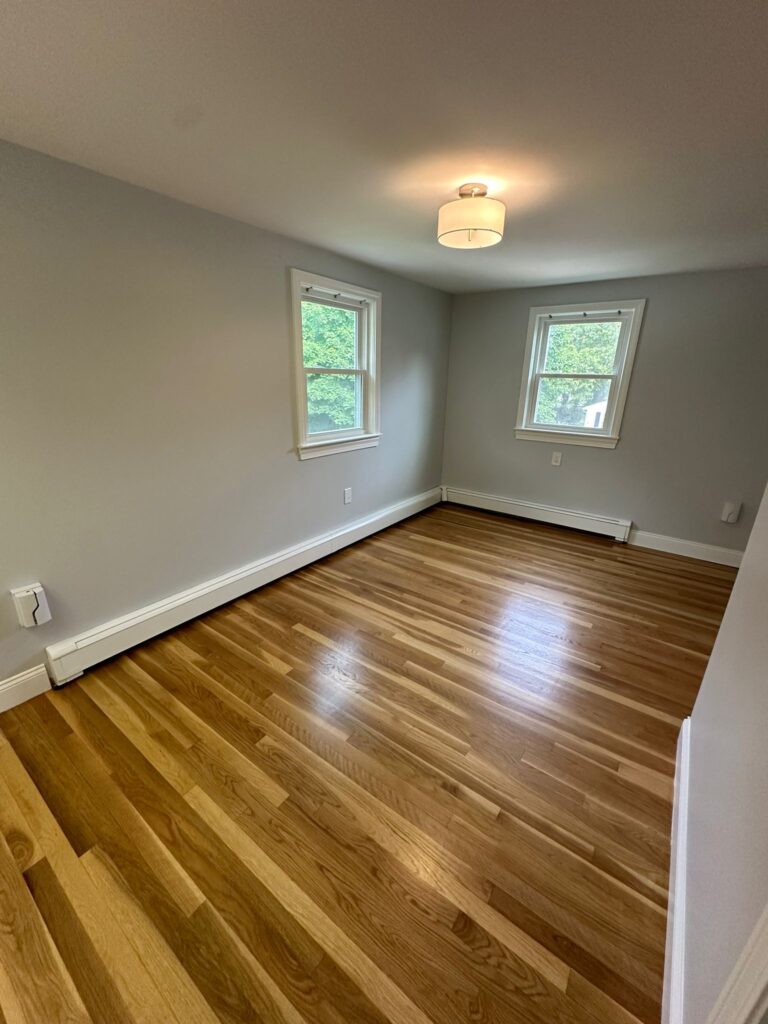
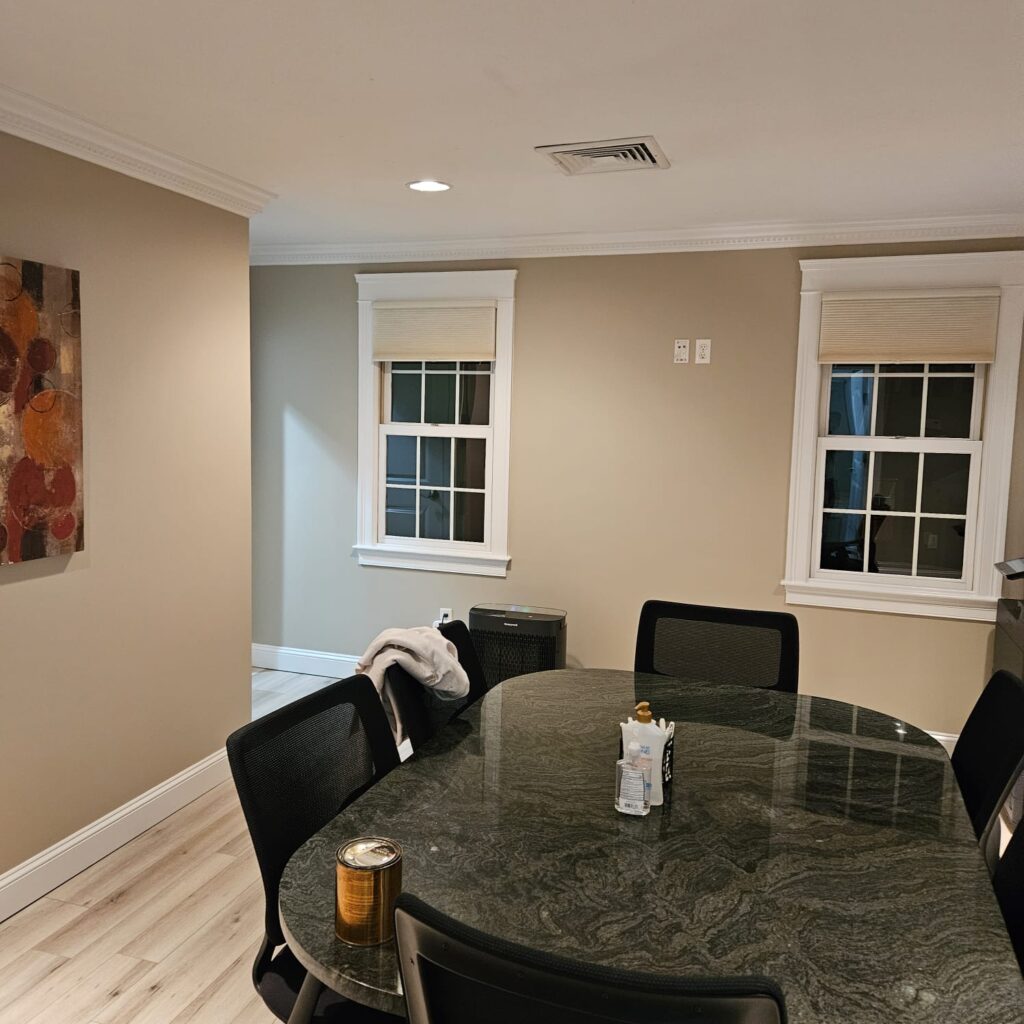
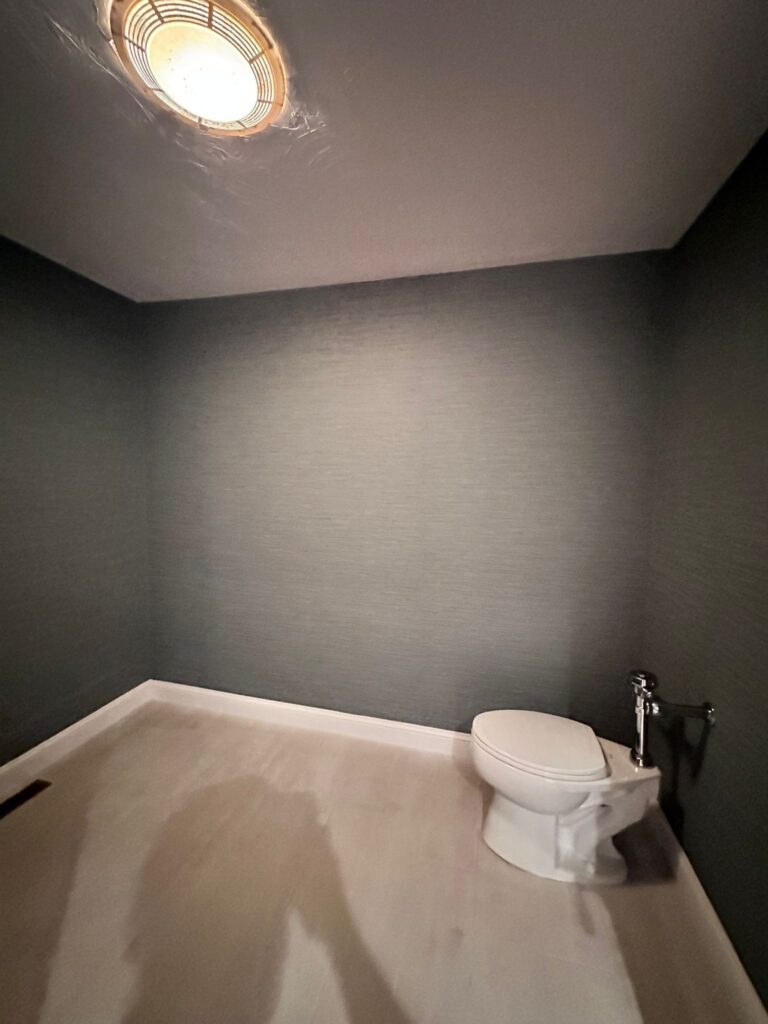
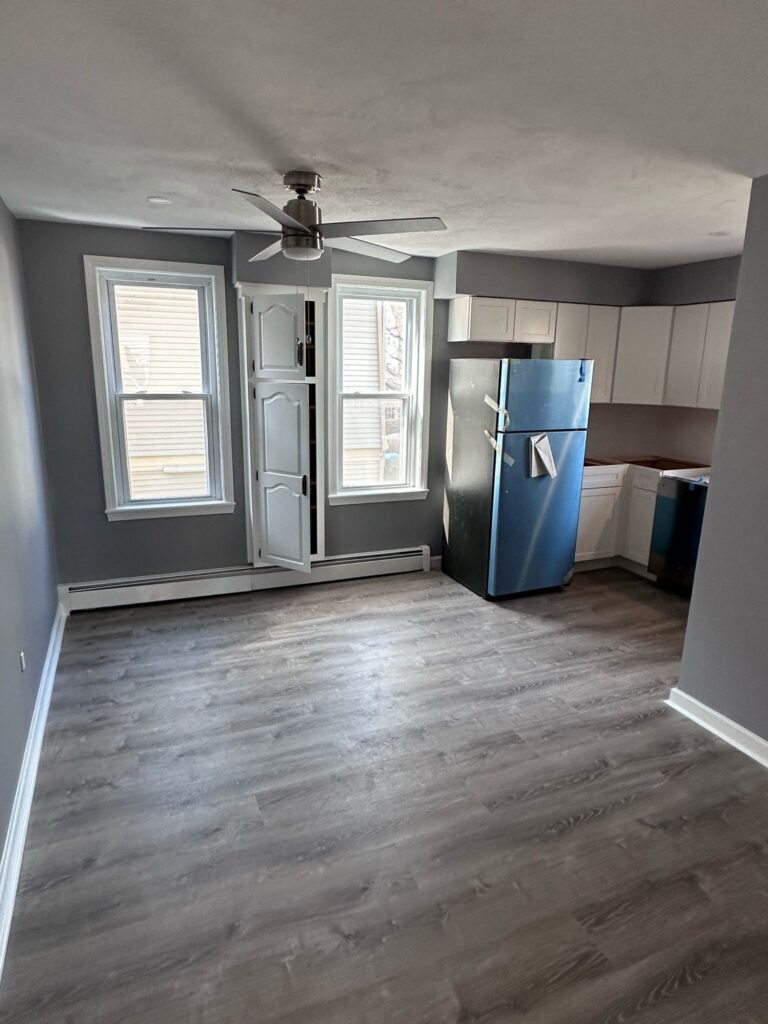
See the quality and craftsmanship that sets Deluxe General Services apart. With 20+ years of experience and 2,000+ completed projects across Massachusetts.

Don't Let Weather Delay Your Project

Professional environmental control techniques can ensure proper paint drying and curing regardless of weather conditions, keeping your project on schedule with guaranteed results.

Get Weather-Independent Results

Need Professional Drying Solutions?

With 20+ years of experience and 2,000+ successful projects, Deluxe General Services has the expertise to ensure proper paint drying and curing in any conditions. Get your free consultation today!