Paint Drip and Spill Cleanup Guide

Professional techniques from Massachusetts painting experts with 20+ years of experience. Learn how to handle paint accidents like a pro.

Quick Action Saves the Day

Paint drips and spills happen to everyone, even professional painters. The key to successful cleanup isn't avoiding accidents—it's knowing how to handle them quickly and effectively. With over 2,000 successful painting projects completed across Massachusetts, our team at Deluxe General Services has seen every type of paint mishap imaginable.

Whether you're dealing with latex paint on hardwood floors, oil-based paint on carpet, or primer on your favorite shirt, the techniques in this guide will help you minimize damage and restore surfaces to their original condition. Time is critical—the sooner you act, the better your chances of complete cleanup.
Paint Emergency? We're Here to Help!

Major spill or damage beyond DIY repair? Our experienced team can assess and fix paint-related accidents professionally.

Get Professional Help Now

Essential Cleanup Supplies

Having the right materials on hand makes all the difference in paint cleanup success. Here's what professional painters keep in their cleanup arsenal:

Basic Cleanup Kit

  • Clean, absorbent rags or paper towels
  • Warm soapy water (dish soap works great)
  • Paint thinner or mineral spirits (for oil-based paints)
  • Plastic scraper or putty knife
  • Drop cloths or plastic sheeting
  • Rubber gloves
  • Bucket for water
  • Vacuum cleaner (for dried paint chips)

Advanced Cleanup Tools

  • Heat gun (for stubborn dried paint)
  • Denatured alcohol
  • Acetone or nail polish remover
  • Fine-grit sandpaper
  • Steam cleaner (for fabric)
  • Commercial paint removers

Step-by-Step Cleanup Process

1

Act Immediately

The golden rule of paint cleanup: speed matters more than technique. Fresh paint is exponentially easier to remove than dried paint. Stop what you're doing and address the spill immediately. Even a 10-minute delay can turn a simple cleanup into a major restoration project.

⚠️ Safety First

Always wear gloves and ensure adequate ventilation when working with paint thinners or solvents. Never mix different cleaning chemicals.

2

Contain the Spill

Before cleaning, prevent the paint from spreading further. Use drop cloths, plastic sheeting, or even newspaper to create barriers around the affected area. For large spills, work from the outside edges toward the center to avoid expanding the contaminated zone.

3

Blot, Don't Rub

This is where most people make their biggest mistake. Rubbing or wiping spreads the paint and pushes it deeper into porous surfaces. Instead, gently blot with clean rags or paper towels, lifting the paint straight up. Replace your blotting material frequently to avoid redepositing paint.

4

Identify Your Paint Type

Water-based (latex) and oil-based paints require different cleanup approaches. Check the paint can label or perform a simple test: if the paint cleans easily with warm soapy water, it's latex. If it requires paint thinner, it's oil-based. Using the wrong solvent can actually make cleanup harder.

5

Apply the Right Solvent

For latex paint: Start with warm soapy water. Work from the outside of the stain toward the center using gentle dabbing motions.

For oil-based paint: Use paint thinner or mineral spirits on a clean rag. Test in an inconspicuous area first to ensure it won't damage the surface.

6

Rinse and Repeat

After removing as much paint as possible, rinse the area with clean water to remove any remaining solvent or soap residue. For stubborn stains, you may need to repeat the process several times. Patience and persistence are key—rushing often leads to surface damage.

Professional Equipment Makes the Difference

Our team uses commercial-grade cleanup equipment and techniques that aren't available to homeowners. For tough cleanup jobs, professional help can save time and prevent damage.

Contact Our Experts

Surface-Specific Cleanup Techniques

Hardwood Floors

Wood floors require special care to avoid damage to the finish. For fresh spills, blot immediately and clean with barely damp cloth. Avoid excessive water, which can cause warping. For dried paint, use a plastic scraper held at a low angle, followed by fine steel wool if necessary.

Carpet and Fabric

Carpet cleanup success depends on acting fast. Blot up wet paint, then work from the outside edges toward the center with appropriate solvent. For dried paint, try softening with steam before gentle scraping. Professional carpet cleaning may be necessary for large spills.

Tile and Stone

Non-porous surfaces are generally easier to clean. Use plastic scrapers for dried paint, followed by appropriate solvents. Be cautious with natural stone, which can be etched by acidic cleaners.

Drywall and Painted Surfaces

Paint on painted walls can often be removed with gentle scraping and touch-up painting. For textured surfaces, use a soft brush to work solvent into the texture pattern.

Advanced Cleanup Techniques

Heat Method for Dried Paint

For paint that's been dried for hours or days, heat can soften it for easier removal. Use a hair dryer or heat gun on low setting, keeping it moving to avoid surface damage. As the paint softens, gently scrape with a plastic tool.

Chemical Paint Strippers

Commercial paint removers can handle stubborn dried paint, but they're harsh chemicals that require careful handling. Always test in an inconspicuous area first and follow manufacturer instructions exactly.

Steam Cleaning

For fabric and carpet, steam can help loosen dried paint. Rent or buy a steam cleaner, or use a clothing steamer for smaller areas. The heat and moisture combination often softens paint enough for removal.

⚠️ When to Stop

If your cleanup efforts are causing more damage than the original spill, it's time to call professionals. Sometimes the cost of expert restoration is less than replacing damaged materials.

Damage Beyond DIY Repair?

Some paint accidents require professional restoration. Our team has specialized equipment and 20+ years of experience handling even the most challenging cleanup situations.

Get Free Assessment

Prevention is the Best Cleanup

While knowing how to clean up paint spills is important, preventing them in the first place saves time, money, and stress. Here are professional tips from our 2,000+ completed projects:

Proper Preparation

Use high-quality drop cloths that won't slip or bunch up. Plastic sheeting works for floors, but canvas or paper is better for furniture since it's less slippery. Tape edges securely but remove tape while paint is still slightly wet to avoid peeling.

Smart Paint Handling

Never fill paint trays to the brim—half full is plenty. Keep a damp rag handy for immediate cleanup of small drips. Use paint can lids or pour spouts to minimize dripping when pouring paint.

Tool Management

Clean brushes and rollers frequently during use to prevent paint buildup that can cause dripping. Use brush holders or magnetic strips to keep tools organized and prevent them from falling into paint or onto surfaces.

Our Professional Projects

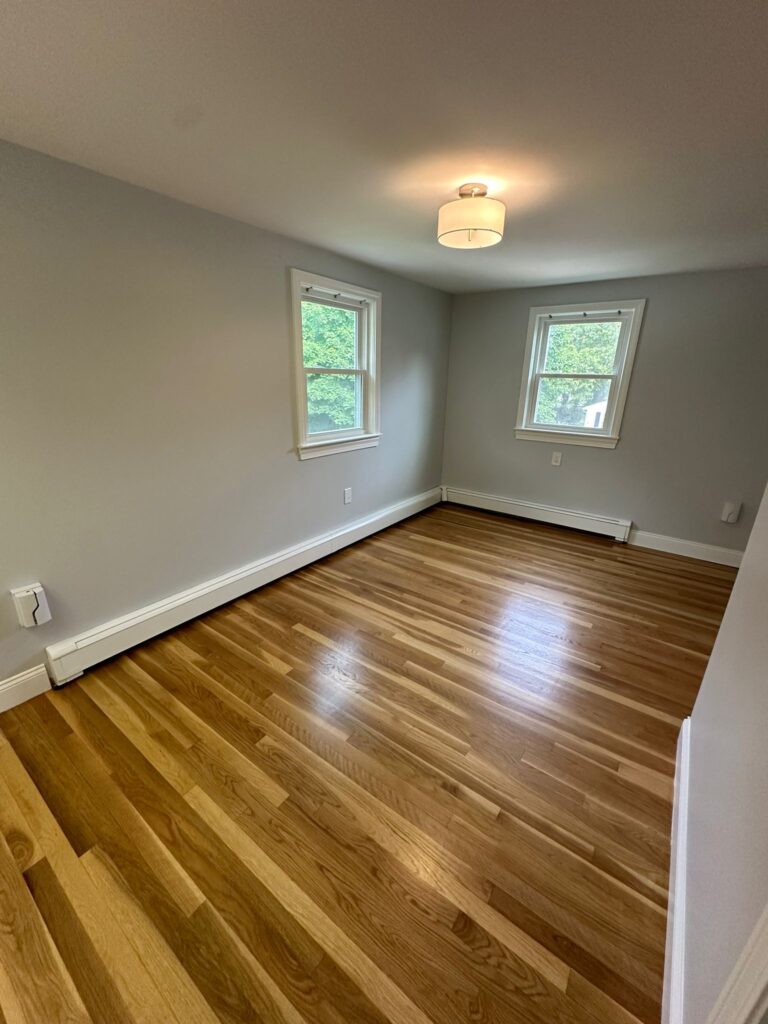
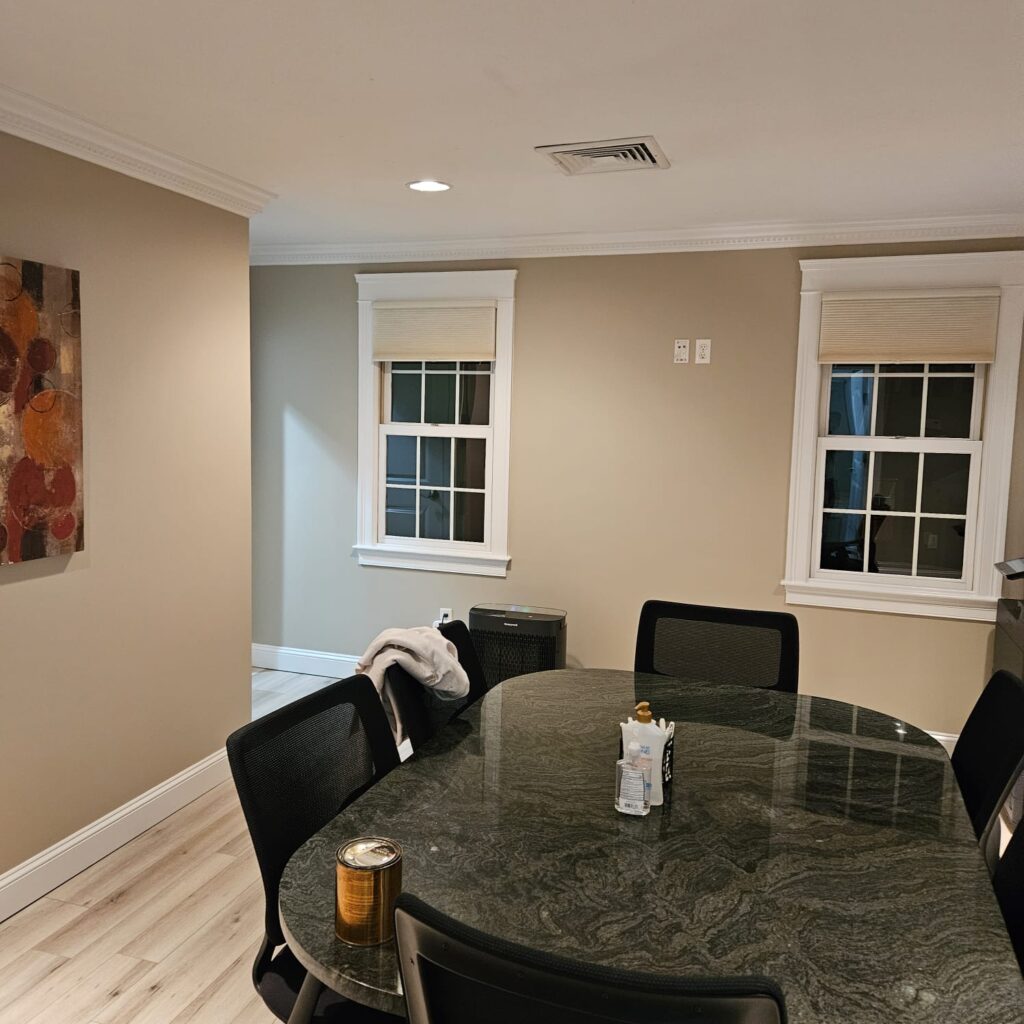
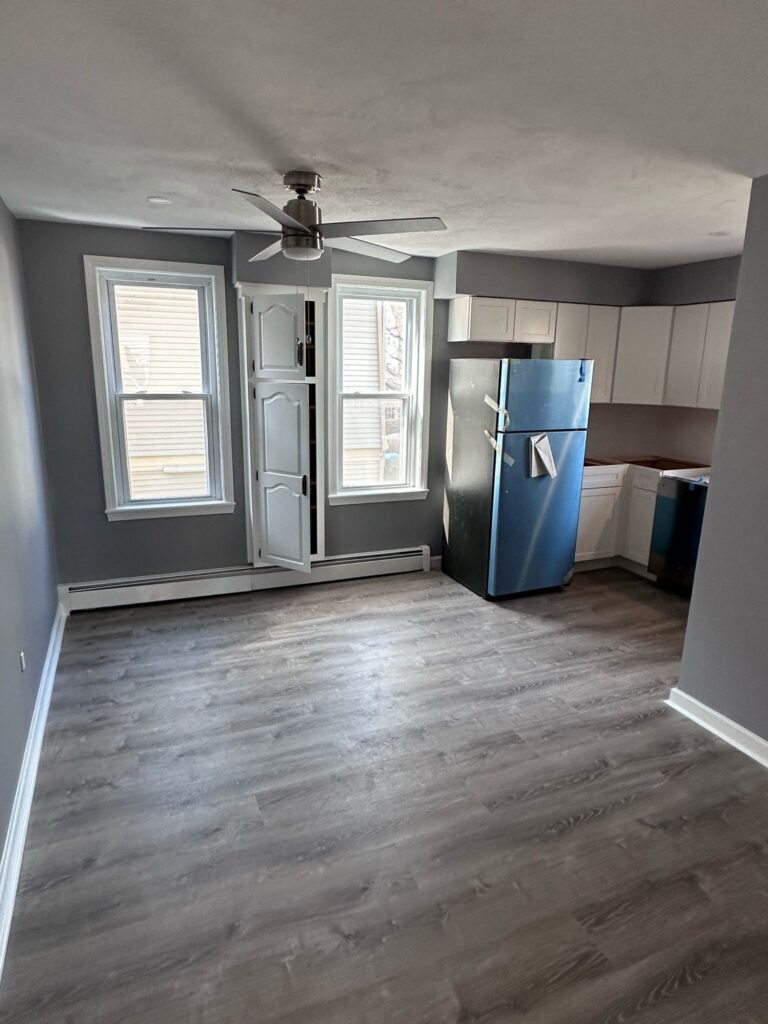
See the quality and craftsmanship that sets Deluxe General Services apart. With 20+ years of experience and 2,000+ completed projects across Massachusetts.

Need Professional Paint Cleanup Help?

With 20+ years of experience and 2,000+ successful projects, Deluxe General Services has the expertise to handle any paint-related challenge. Get your free consultation today!