Paint Cracking Repair Guide

Professional solutions for paint cracking prevention and repair from Massachusetts painting experts with 20+ years of experience.

Understanding Paint Cracking

Paint cracking is one of the most serious paint failures that can occur, often indicating underlying structural issues or improper application techniques. These unsightly fissures not only compromise the aesthetic appeal of your surfaces but can also allow moisture penetration, leading to more serious problems like wood rot or structural damage. With over 2,000 painting projects completed across Massachusetts, our team at Deluxe General Services has encountered every type of paint cracking and developed proven strategies for both repair and prevention.

Paint cracks can range from hairline fractures barely visible to the naked eye to deep fissures that expose the substrate underneath. Understanding the different types of cracks and their causes is crucial for determining the appropriate repair method and preventing recurrence. Some cracks are purely cosmetic and easily fixed, while others may signal serious structural movement that requires professional attention.

The key to successful crack repair lies in addressing the root cause, not just the symptom. Simply filling cracks without understanding why they occurred will likely result in the same problem recurring within months. Professional assessment and proper repair techniques ensure long-lasting results that protect your investment.
Extensive Cracking Problems?

Large-scale cracking or recurring crack patterns may indicate structural issues that require professional assessment. Our experienced team can diagnose and address complex cracking problems.

Get Professional Assessment

Types of Paint Cracks and Their Causes

Hairline Cracks

These are the most common type of paint cracks, appearing as thin lines that typically don't penetrate through all paint layers. Hairline cracks often result from natural aging of the paint film, minor substrate movement, or application of paint that's too thick. While primarily cosmetic, they can allow moisture penetration if left untreated.

Alligatoring

This pattern resembles alligator skin, with interconnected cracks forming a scaly appearance. Alligatoring typically occurs when a hard, inflexible topcoat is applied over a softer undercoat, or when paint is applied over a glossy surface without proper preparation. This type of cracking usually requires complete removal and repainting.

Structural Cracks

These are deeper cracks that often extend through multiple layers of paint and may even affect the substrate. Structural cracks can indicate foundation settlement, wood movement due to moisture changes, or thermal expansion and contraction. These require careful evaluation and may need structural repairs before painting.

Mud Cracks

Similar to dried mud, these cracks form irregular polygonal patterns. They typically result from applying paint too thickly, painting over a dirty surface, or using paint with poor adhesion properties. The thick paint film shrinks as it dries, creating tension that results in cracking.

Temperature-Related Cracks

These cracks occur when paint is applied in extreme temperatures or when surfaces experience significant temperature fluctuations. In Massachusetts, our climate extremes can cause paint films to expand and contract beyond their elastic limits, resulting in cracking.

Professional Crack Repair Process

1

Assess and Identify Crack Type

Carefully examine the cracks to determine their type, depth, and pattern. Look for signs of ongoing movement or structural issues. Take photos and measurements to track any changes over time. This assessment will determine the appropriate repair strategy and whether professional structural evaluation is needed.

⚠️ When to Call Professionals

If cracks are wider than 1/8 inch, show signs of recent movement, or appear in patterns that suggest structural issues, consult with a structural engineer before proceeding with cosmetic repairs.

2

Prepare the Cracked Area

Remove all loose and flaking paint around the cracks using a scraper or wire brush. For hairline cracks, lightly sand the area to create a smooth surface. For deeper cracks, you may need to widen them slightly with a putty knife to ensure proper filler penetration. Clean the area thoroughly to remove all dust and debris.

3

Choose Appropriate Filler

Select the right filler based on crack size and location. For hairline cracks, use a high-quality acrylic caulk or paintable filler. For larger cracks, use a flexible exterior-grade caulk or specialized crack filler. For structural cracks, consider using mesh tape with joint compound for added strength.

4

Apply Filler Properly

Apply filler in thin layers, slightly overfilling the crack. For deep cracks, apply multiple thin coats rather than one thick application. Use a putty knife to smooth the surface, feathering the edges to blend with the surrounding area. Allow each layer to dry completely before applying the next.

5

Sand and Prime

Once the filler is completely dry, sand the area smooth with fine-grit sandpaper (220-grit). The repaired area should be flush with the surrounding surface. Clean away all dust and apply a high-quality primer to ensure proper paint adhesion and uniform appearance.

6

Paint with Quality Materials

Apply paint in thin, even coats using high-quality paint appropriate for the surface and conditions. Use a paint with good flexibility and adhesion properties. Apply multiple thin coats rather than one thick coat to minimize the risk of future cracking.

Professional Crack Analysis

Our team uses specialized tools and techniques to assess crack patterns and determine the best repair approach. We can identify potential structural issues before they become major problems.

Get Expert Analysis

Preventing Paint Cracks

Proper Surface Preparation

The foundation of crack prevention is thorough surface preparation. This includes cleaning all surfaces, sanding glossy areas, filling holes and imperfections, and applying appropriate primers. Never skip surface preparation steps, as they're crucial for long-term paint performance.

Quality Paint Selection

Choose high-quality paints with good flexibility and adhesion properties. Acrylic latex paints generally offer better flexibility than oil-based paints, making them less prone to cracking. Consider the specific conditions your paint will face and select products designed for those conditions.

Proper Application Techniques

Apply paint in appropriate weather conditions—avoid extreme temperatures, high humidity, or direct sunlight. Use proper application techniques, applying multiple thin coats rather than one thick coat. Allow adequate drying time between coats.

Address Moisture Issues

Control moisture sources that can cause substrate movement and paint failure. Ensure proper ventilation, fix leaks promptly, and consider using moisture-resistant primers in problem areas. In Massachusetts, proper moisture management is crucial due to our variable climate.

Regular Maintenance

Inspect painted surfaces regularly and address small issues before they become major problems. Touch up minor cracks promptly to prevent moisture penetration and further damage. Schedule regular maintenance painting to keep surfaces protected.

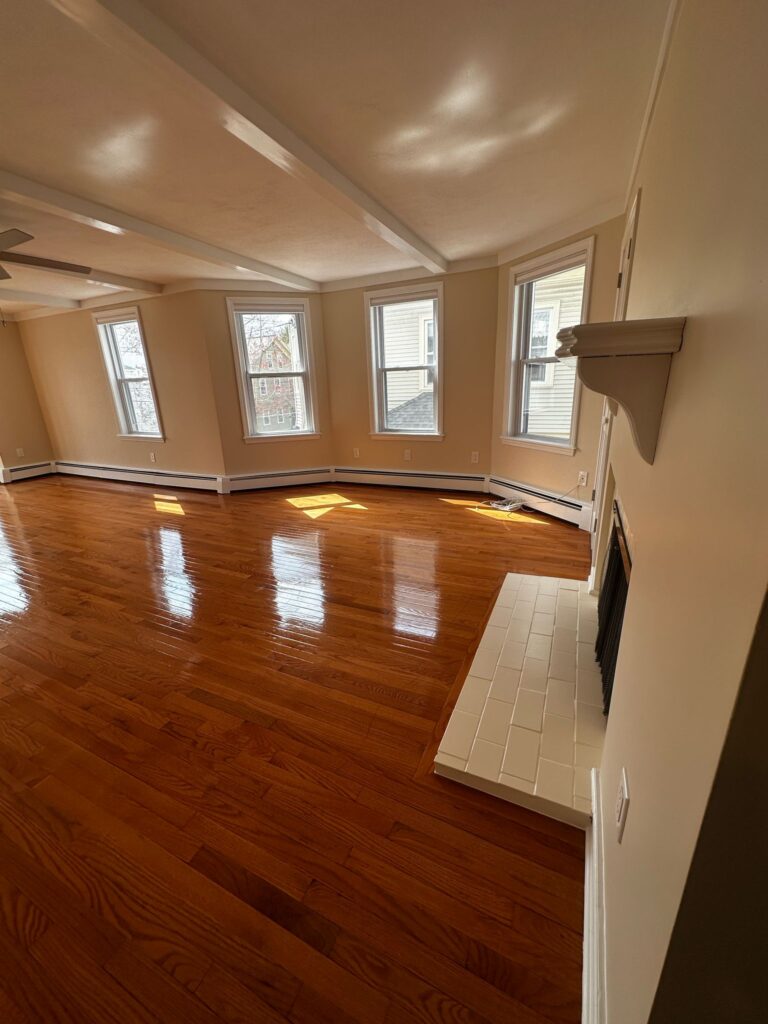
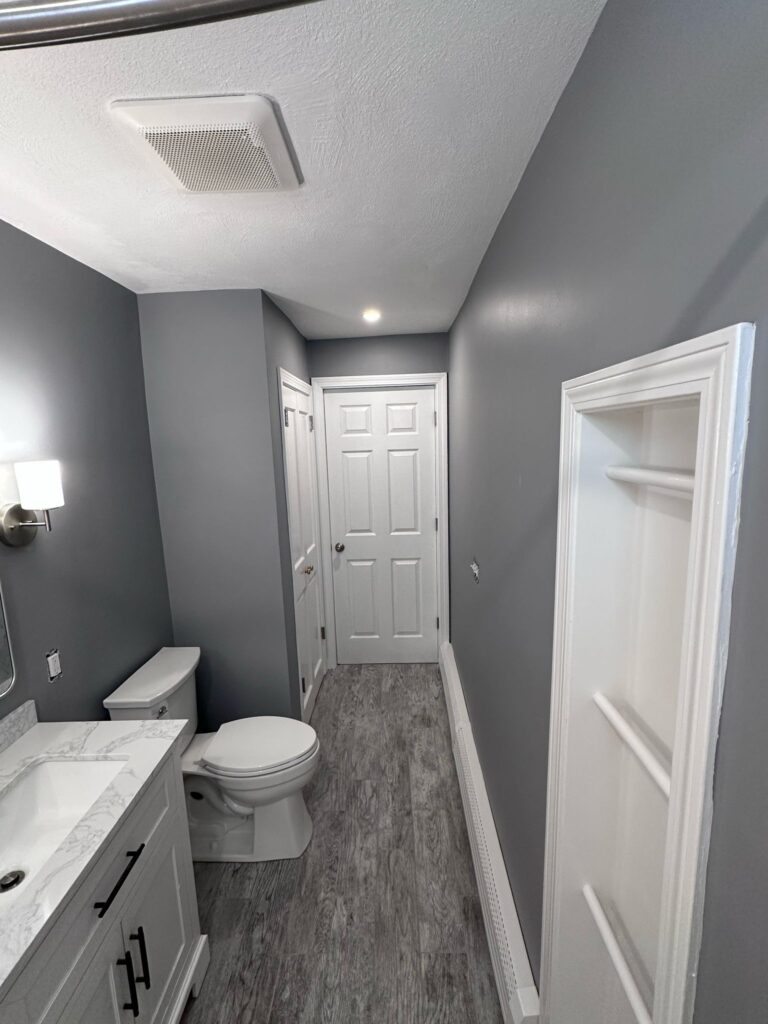
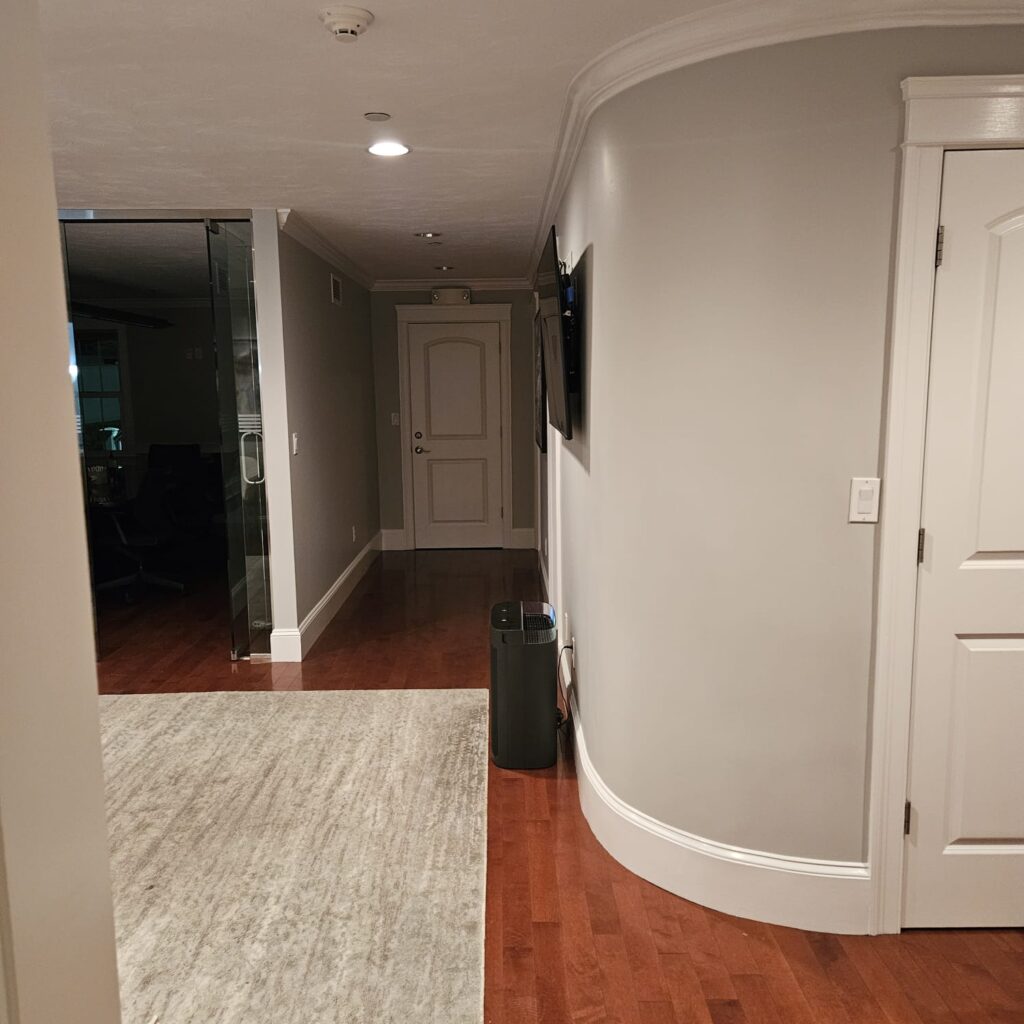
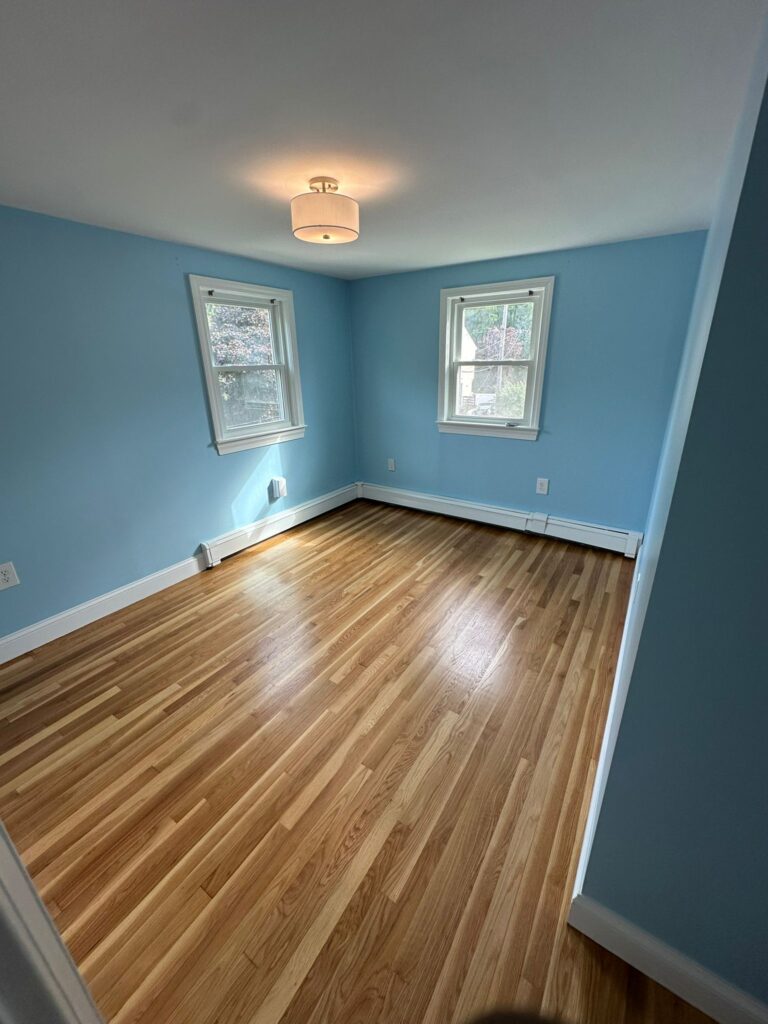
Our Professional Projects

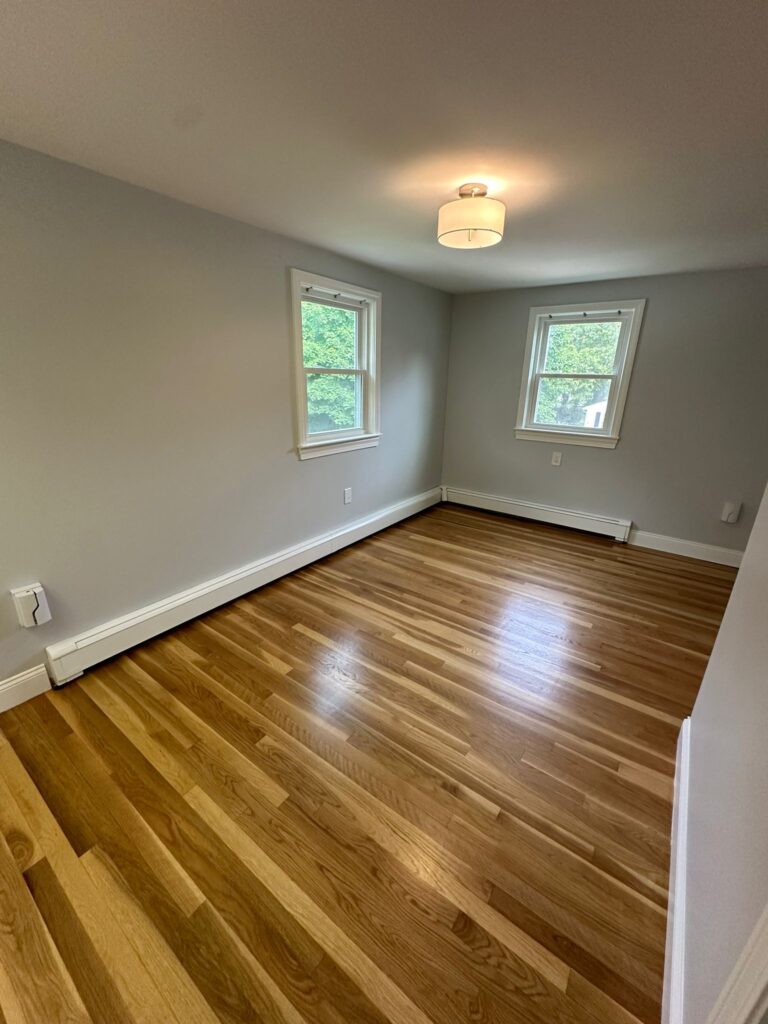
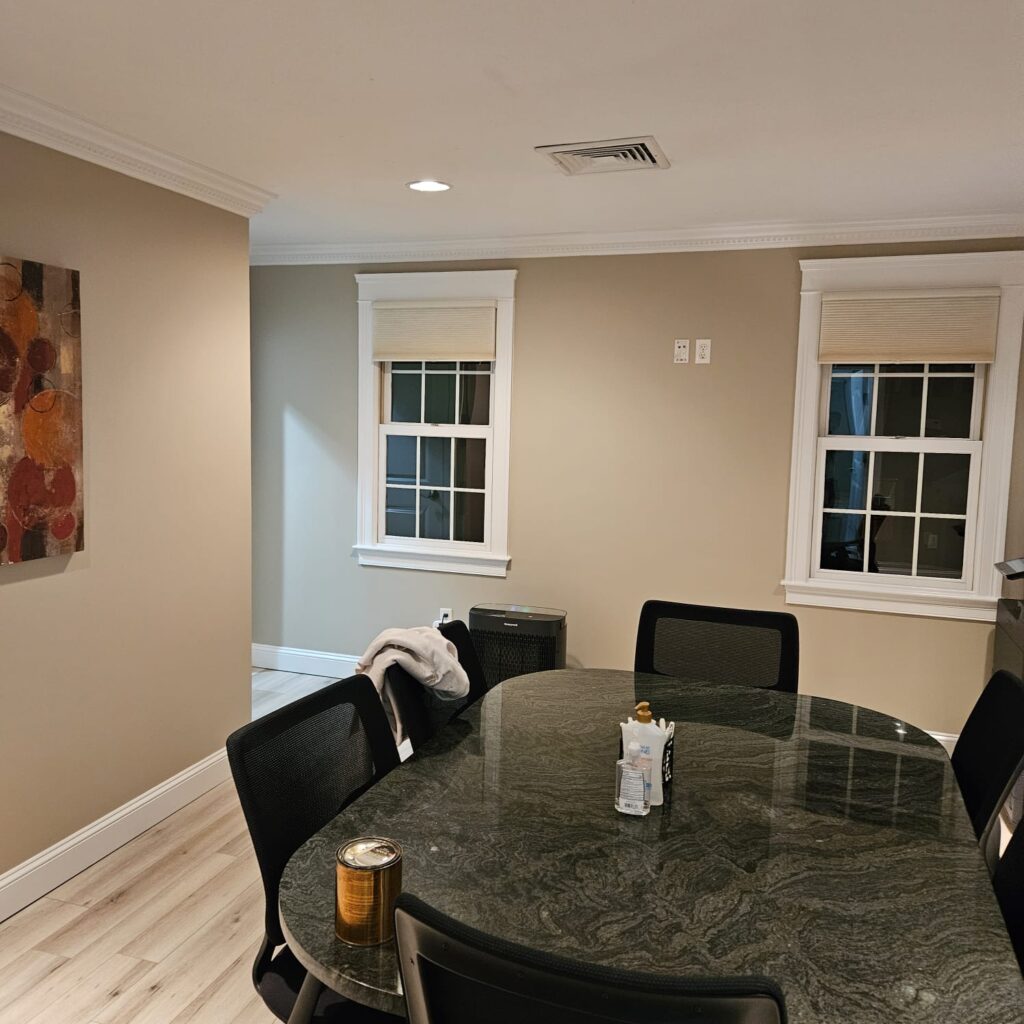
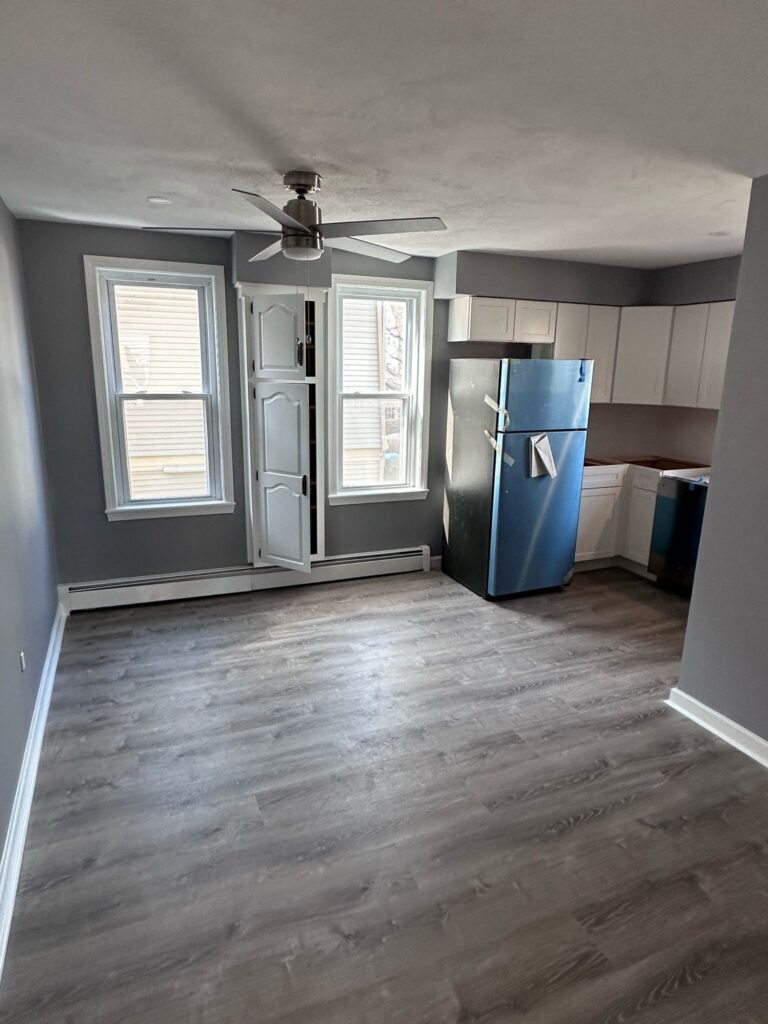
See the quality and craftsmanship that sets Deluxe General Services apart. With 20+ years of experience and 2,000+ completed projects across Massachusetts.

Recurring Crack Problems?

If cracks keep reappearing despite repairs, there may be underlying structural or moisture issues that require professional diagnosis and treatment. Don't let small problems become major expenses.

Get Professional Diagnosis

Need Professional Crack Repair Help?

With 20+ years of experience and 2,000+ successful projects, Deluxe General Services has the expertise to handle any paint cracking challenge. Get your free consultation today!