Paint Color Matching Problems Guide

Professional solutions for paint color matching issues from Massachusetts painting experts with 20+ years of experience.

Mastering Paint Color Matching

Color matching is one of the most challenging aspects of painting, and even experienced professionals sometimes struggle with achieving perfect matches. Whether you're touching up existing paint, extending a color to new areas, or trying to match a discontinued color, getting the right shade can be frustrating and time-consuming. With over 2,000 painting projects completed across Massachusetts, our team at Deluxe General Services has developed proven strategies for achieving accurate color matches.

The human eye can detect incredibly subtle differences in color, and what looks like a perfect match in the paint store can appear completely different once applied to your walls. Factors like lighting, surface texture, sheen level, and even the time of day can dramatically affect how colors appear. Understanding these variables is crucial for successful color matching.

Modern paint technology has made color matching more precise than ever, but it's still as much art as science. Professional color matching requires understanding how pigments interact, how different lighting affects perception, and how to compensate for various environmental factors that influence color appearance.
Complex Color Matching Challenge?

Some color matching situations require professional equipment and expertise. Our team has access to advanced color matching technology and years of experience with difficult color challenges.

Get Professional Color Matching

Common Color Matching Challenges

Lighting Variations

The biggest culprit in color matching problems is lighting. Colors that match perfectly under fluorescent store lighting can look completely different under the warm LED lights in your home or natural daylight from windows. This phenomenon, called metamerism, occurs because different light sources emphasize different parts of the color spectrum.

Faded Original Paint

Paint naturally fades over time due to UV exposure, age, and environmental factors. What you think is the original color may actually be a faded version, making it impossible to achieve a perfect match with fresh paint. This is especially common with colors exposed to direct sunlight or high-traffic areas.

Sheen Level Differences

Even when the color is perfectly matched, differences in sheen level can make paints appear to be different colors. A satin finish will reflect light differently than an eggshell finish, creating the illusion of color variation even when the underlying pigments are identical.

Surface Texture Impact

The texture of the surface being painted affects how color appears. Smooth surfaces reflect light differently than textured ones, and this can make identical colors look different. Orange peel texture, brush marks, or roller stipple can all influence color perception.

Paint Age and Batch Variations

Paint formulations can change slightly over time, and different production batches may have minor variations. Even paint from the same manufacturer with the same color code can vary slightly between batches, especially with custom-mixed colors.

Professional Color Matching Process

1

Gather the Best Sample

The quality of your color match depends heavily on the sample you provide. If possible, bring a piece of the original painted surface rather than trying to match from memory or photos. Look for areas that haven't been exposed to direct sunlight or heavy wear. A sample the size of a quarter is usually sufficient for most color matching equipment.

💡 Pro Tip

If you can't remove a sample, take multiple high-resolution photos under different lighting conditions and bring paint chips or swatches that are close to the color.

2

Use Professional Color Matching

While smartphone apps and basic color matching can get you close, professional spectrophotometer equipment provides much more accurate results. These devices analyze the exact wavelengths of light reflected by your sample and create a precise formula. Most professional paint stores have this equipment available.

3

Test Under Your Lighting

Always test the matched color under the actual lighting conditions where it will be used. Paint large test patches (at least 2 feet by 2 feet) and observe them at different times of day. What looks perfect at noon might look completely wrong under evening lighting.

4

Account for Sheen Differences

Make sure your new paint has the same sheen level as the existing paint. If the original sheen is unknown, test different sheen levels on small areas. Remember that higher sheens tend to make colors appear slightly darker and more saturated.

5

Consider the Substrate

The surface you're painting over can affect the final color appearance. Dark colors may show through light paint, and different primer colors can influence the final result. Use the same primer and application method as the original paint job when possible.

6

Make Fine Adjustments

If the initial match isn't perfect, work with the paint store to make small adjustments. Most stores can add small amounts of colorant to fine-tune the match. Keep detailed records of any adjustments for future reference.

Professional Color Matching Equipment

Our team uses commercial-grade spectrophotometers and has relationships with paint manufacturers that allow us to achieve matches that aren't possible with standard retail equipment.

Access Professional Tools

Advanced Color Matching Strategies

Blending Techniques

When perfect color matching isn't possible, professional blending techniques can make minor color differences virtually invisible. This involves gradually transitioning from the existing color to the new color over a larger area, making any slight variation appear intentional.

Strategic Touch-Up Placement

Sometimes the best approach is to repaint entire walls or sections rather than trying to match small areas. This eliminates color matching issues entirely and often provides better long-term results. Consider repainting from corner to corner or from floor to ceiling.

Lighting Considerations

Understanding how different light sources affect color perception can help you make better matching decisions. Incandescent lights tend to warm colors, fluorescent lights can make colors appear cooler, and LED lights vary widely in their color temperature. Test your color match under all the lighting conditions present in the room.

Texture Matching

Don't forget that texture affects color appearance. If the original surface has a specific texture, try to replicate it with your touch-up work. Use the same application tools and techniques that were used originally.

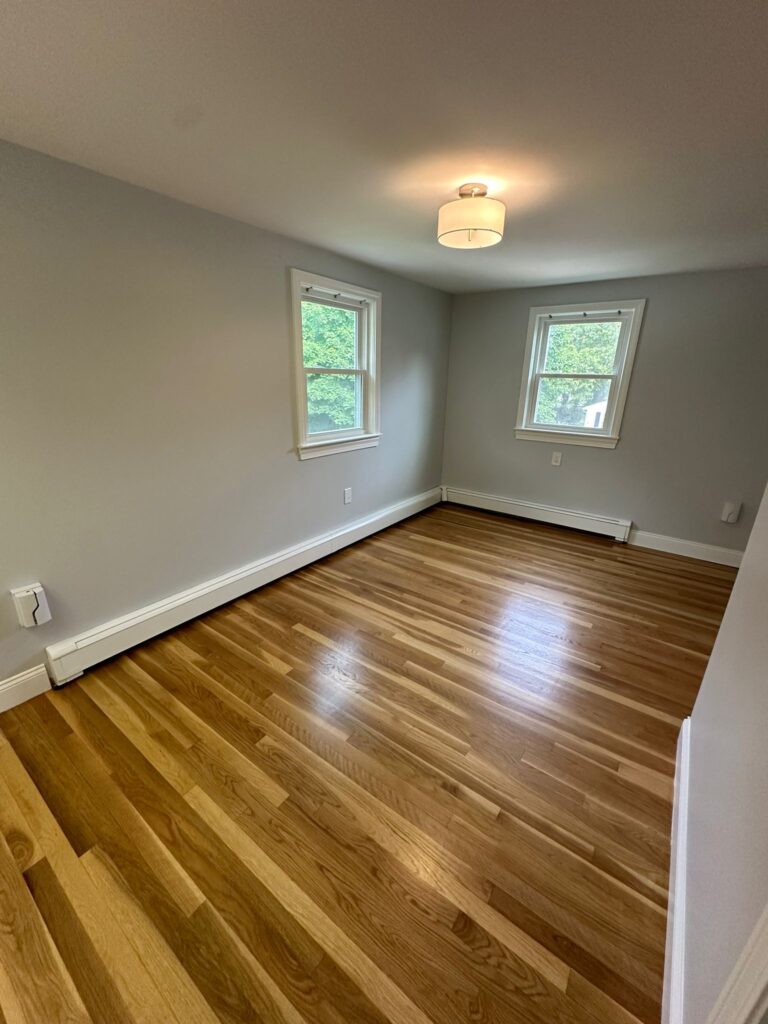
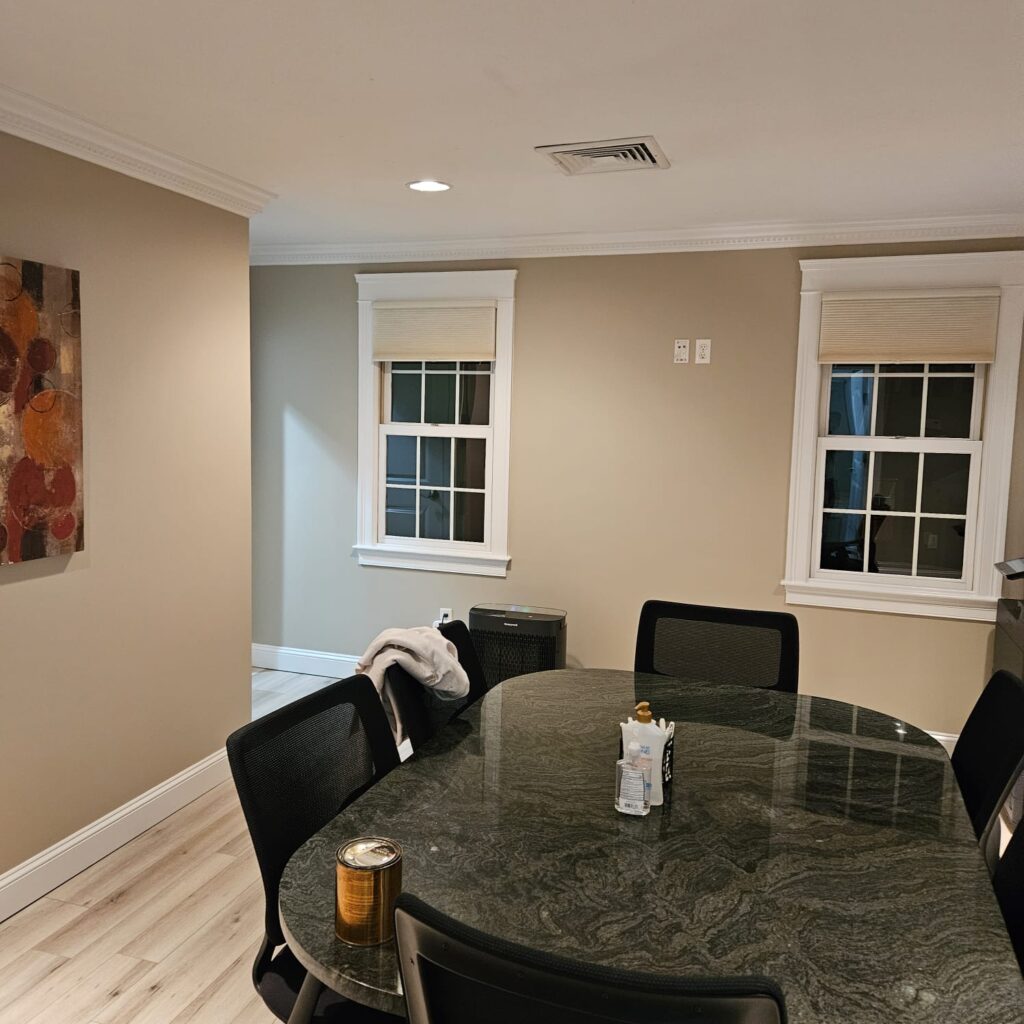
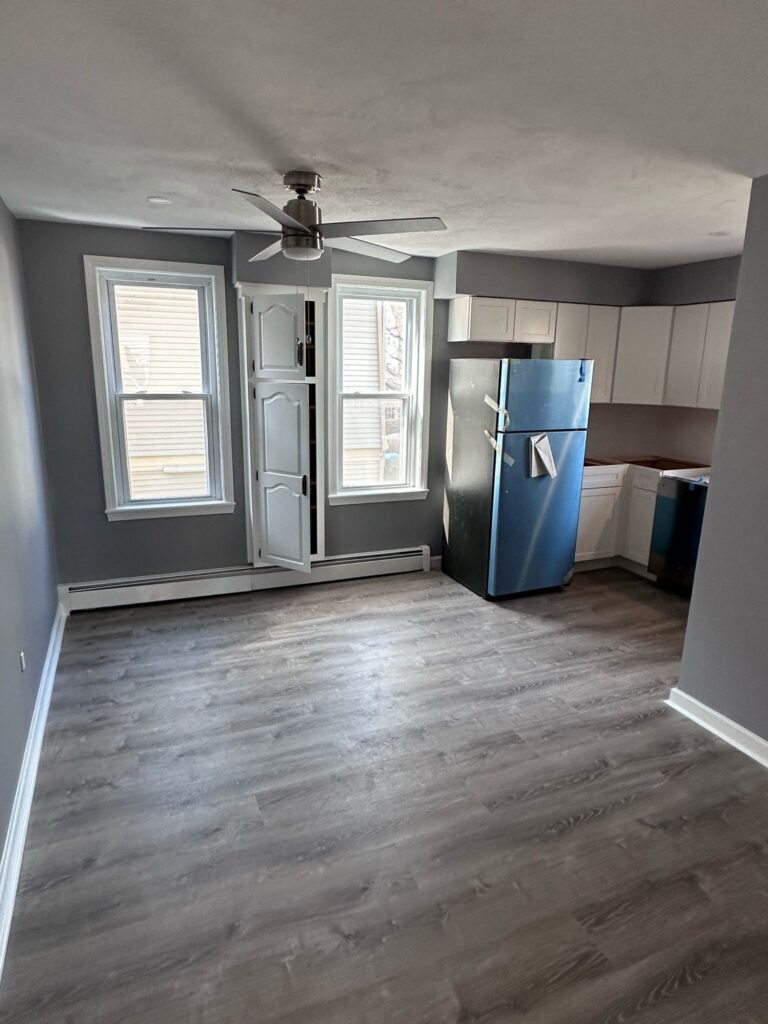
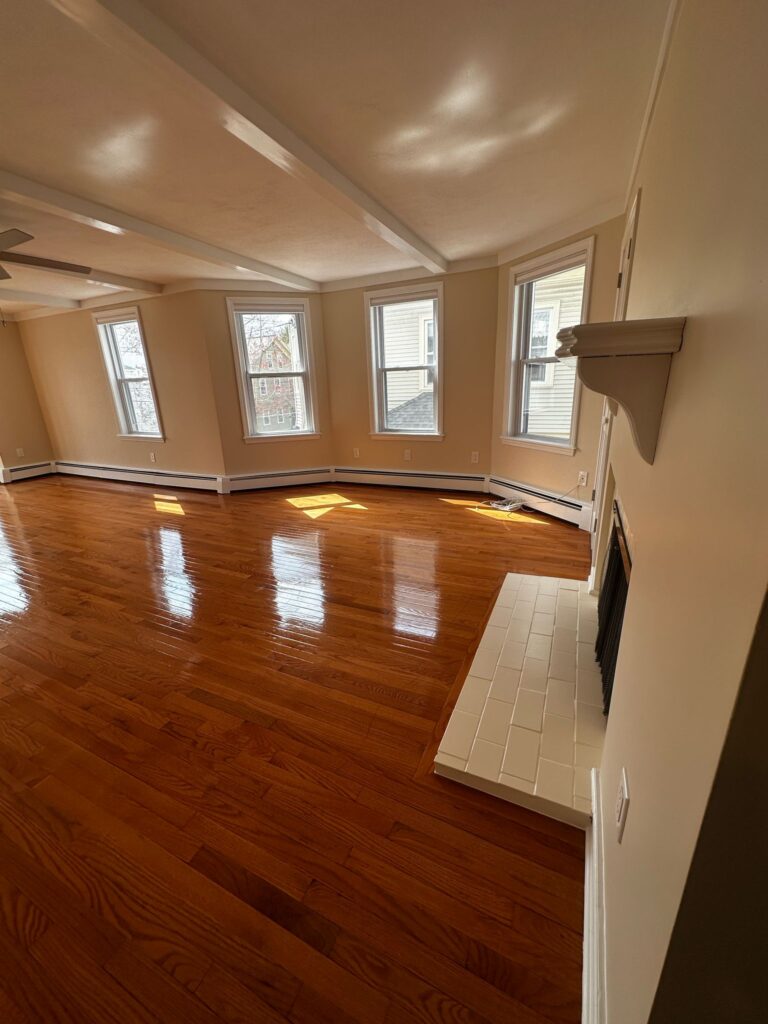
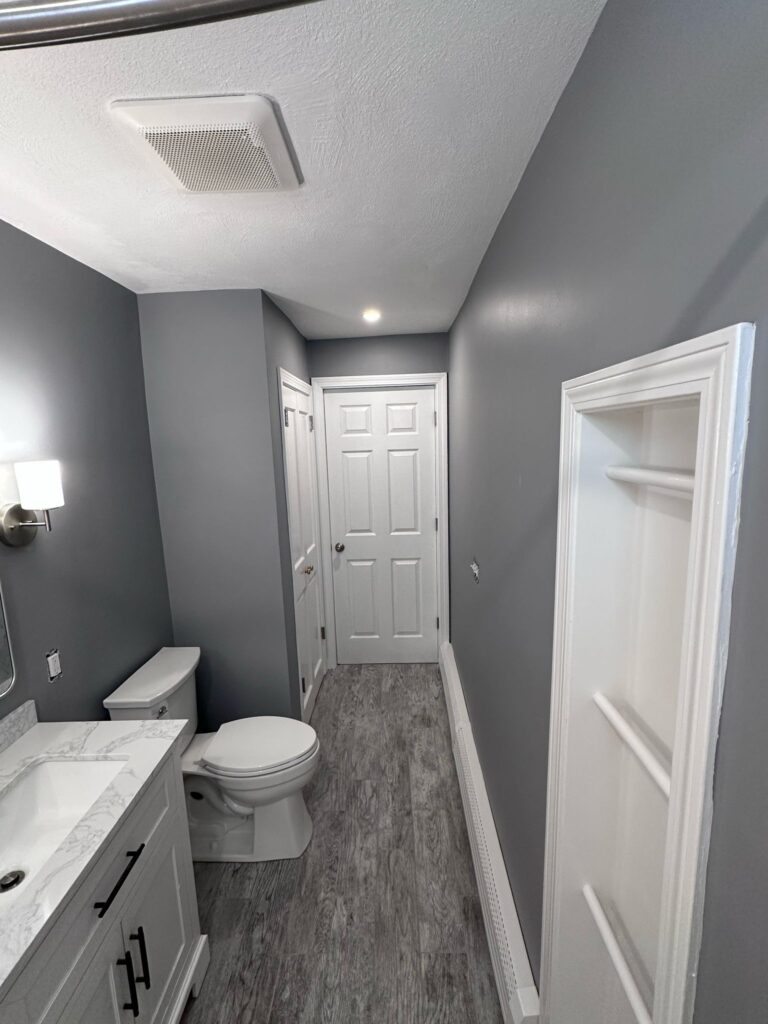
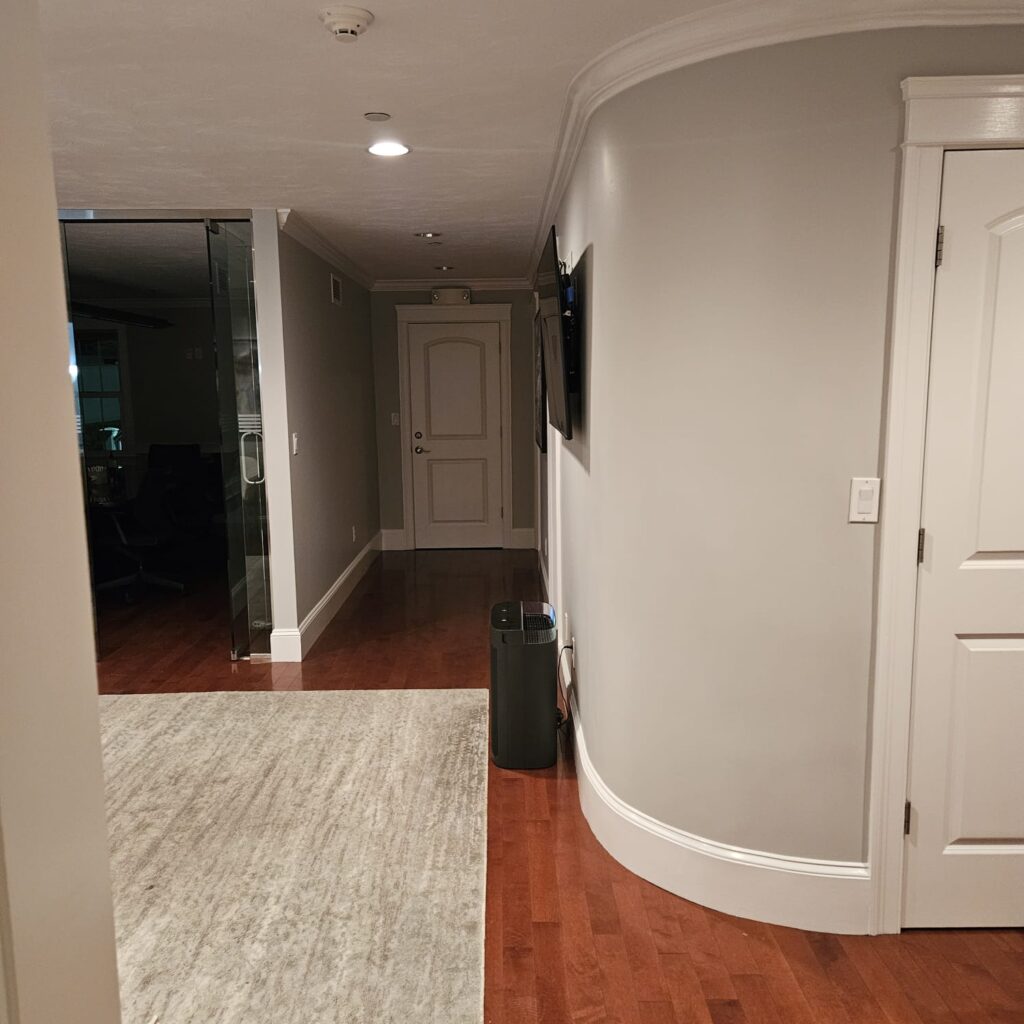
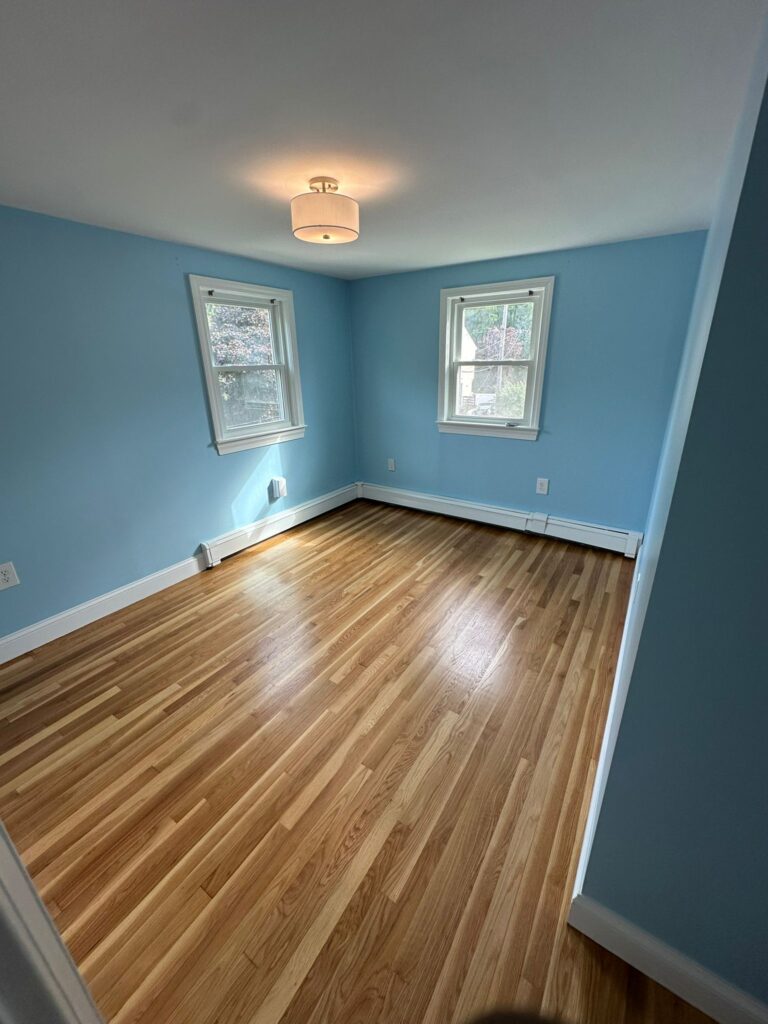
Our Professional Projects

See the quality and craftsmanship that sets Deluxe General Services apart. With 20+ years of experience and 2,000+ completed projects across Massachusetts.

Can't Achieve the Perfect Match?

Some color matching challenges require professional expertise and specialized equipment. Don't waste time and money on multiple attempts—get it right the first time with professional help.

Get Professional Color Matching

Need Professional Color Matching Help?

With 20+ years of experience and 2,000+ successful projects, Deluxe General Services has the expertise to handle any color matching challenge. Get your free consultation today!