Paint Adhesion Problems Guide

Professional solutions for paint adhesion failures and prevention strategies from Massachusetts experts with 20+ years of experience.

Understanding Paint Adhesion Failures

Paint adhesion problems are among the most serious and costly paint failures that can occur, often requiring complete removal and repainting of affected areas. Poor adhesion manifests as peeling, flaking, or complete paint film separation from the substrate, compromising both the protective and aesthetic functions of the paint system. With over 2,000 painting projects completed across Massachusetts, our team at Deluxe General Services has encountered every type of adhesion failure and developed proven strategies for both prevention and remediation.

Adhesion failures typically result from inadequate surface preparation, incompatible materials, or environmental factors that prevent proper bonding between the paint and substrate. Understanding the root causes is crucial because simply repainting over a failed surface without addressing the underlying issues will inevitably lead to repeated failures, often within months of the repair.

The key to successful adhesion repair lies in thorough diagnosis, proper surface preparation, and selection of appropriate bonding systems. Professional assessment can identify whether the failure is cohesive (within the paint film), adhesive (between paint and substrate), or substrate-related (within the surface material itself), each requiring different repair approaches.
Extensive Adhesion Failures?

Large-scale paint adhesion problems often indicate systemic issues that require professional diagnosis and specialized repair techniques. Our experienced team can identify and address complex adhesion challenges.

Get Professional Assessment

Types of Paint Adhesion Failures

Intercoat Adhesion Failure

This occurs when new paint fails to bond properly to existing paint layers. Common causes include painting over glossy surfaces without proper preparation, contamination between coats, or incompatible paint systems. The new paint may peel off in sheets, often taking multiple layers with it.

Paint-to-Substrate Adhesion Failure

This is the most serious type of adhesion failure, where the entire paint system separates from the underlying surface. It typically results from inadequate surface preparation, moisture infiltration, or chemical incompatibility between the paint and substrate material.

Primer Adhesion Failure

When primer fails to bond properly to the substrate, it creates a weak foundation for the entire paint system. This often occurs on challenging surfaces like galvanized metal, glossy surfaces, or contaminated substrates that weren't properly cleaned before priming.

Cohesive Failure

This occurs when the paint film itself fails internally, often due to over-thinning, poor quality paint, or application in adverse conditions. The paint may appear chalky, powdery, or may separate in layers within the film itself.

Substrate Failure

Sometimes what appears to be paint adhesion failure is actually failure of the substrate itself. This can occur with deteriorating wood, friable masonry, or other weak surface materials that cannot support the paint film.

Professional Adhesion Repair Process

1

Diagnose the Failure Type

Carefully examine the failed area to determine the type and extent of adhesion failure. Perform adhesion tests on surrounding areas to identify the scope of the problem. Look for patterns that might indicate the root cause—moisture damage, contamination, or preparation issues.

🔬 Professional Testing

Use cross-hatch adhesion tests and pull-off tests to quantify adhesion strength in questionable areas. This helps determine the extent of removal needed and validates repair success.

2

Remove All Failing Material

Remove all loose, flaking, or poorly adhered paint using scrapers, sanders, or chemical strippers as appropriate. Don't stop at the obviously failed areas—remove paint that shows any signs of poor adhesion. Test remaining paint for soundness before proceeding.

3

Address Root Causes

Identify and correct the underlying causes of adhesion failure. This might involve repairing moisture infiltration, removing contamination, treating rust, or stabilizing substrate materials. Failure to address root causes will result in repeated failures.

4

Prepare Surface Thoroughly

Clean the surface completely to remove all dirt, grease, chalk, and other contaminants. Sand glossy surfaces to provide mechanical adhesion. For challenging substrates, consider chemical etching or other specialized preparation techniques.

5

Apply Appropriate Bonding System

Select primers and bonding agents specifically designed for your substrate and conditions. For difficult surfaces, use specialized bonding primers or multi-component systems. Follow manufacturer specifications exactly for mixing, application, and curing times.

6

Apply Paint System Properly

Use compatible paints applied according to manufacturer specifications. Pay attention to recoat windows, film thickness, and environmental conditions. Consider using paint systems specifically designed for adhesion-critical applications.

Specialized Bonding Systems

Our team has access to professional-grade bonding primers and adhesion promoters that aren't available to consumers. We can create strong, lasting bonds even on the most challenging surfaces.

Access Professional Solutions

Preventing Adhesion Failures

Thorough Surface Preparation

Proper surface preparation is the foundation of good adhesion. This includes cleaning, sanding, filling, and priming as appropriate for each surface type. Never skip preparation steps to save time—the cost of failure far exceeds the cost of proper preparation.

Compatible Material Selection

Ensure all components of your paint system are compatible with each other and with the substrate. When in doubt, consult manufacturer technical data sheets or contact technical support. Avoid mixing different paint brands or types without verification of compatibility.

Proper Environmental Conditions

Apply paint only within manufacturer-specified temperature and humidity ranges. Avoid painting in direct sunlight, high winds, or when rain is expected. Poor environmental conditions during application can severely compromise adhesion.

Quality Materials and Tools

Use high-quality paints, primers, and application tools. Cheap materials often have poor adhesion properties and may not perform as expected. Professional-grade materials typically offer better adhesion and longer service life.

Proper Application Technique

Follow manufacturer recommendations for application methods, film thickness, and recoat timing. Avoid over-thinning paints or applying coats that are too thick or too thin. Maintain consistent application techniques throughout the project.

Special Considerations for Difficult Surfaces

Galvanized Metal

New galvanized surfaces require weathering or chemical etching before painting. Use zinc-rich primers specifically designed for galvanized substrates. Avoid using standard primers that may react with the zinc coating.

Aluminum and Non-Ferrous Metals

These surfaces often require specialized etching primers or conversion coatings to achieve proper adhesion. Standard primers may not bond adequately to these smooth, non-porous surfaces.

Glossy Surfaces

High-gloss paints, varnishes, and laminates require thorough sanding or chemical deglossing before repainting. Use bonding primers designed for glossy surfaces to ensure proper adhesion.

Masonry and Concrete

These alkaline surfaces may require special alkali-resistant primers. New concrete should be allowed to cure fully and may need acid etching for optimal adhesion. Address any efflorescence before painting.

Previously Failed Surfaces

Surfaces with a history of paint failure require extra attention to surface preparation and material selection. Consider using penetrating sealers or specialized bonding systems to ensure success.

Our Professional Projects

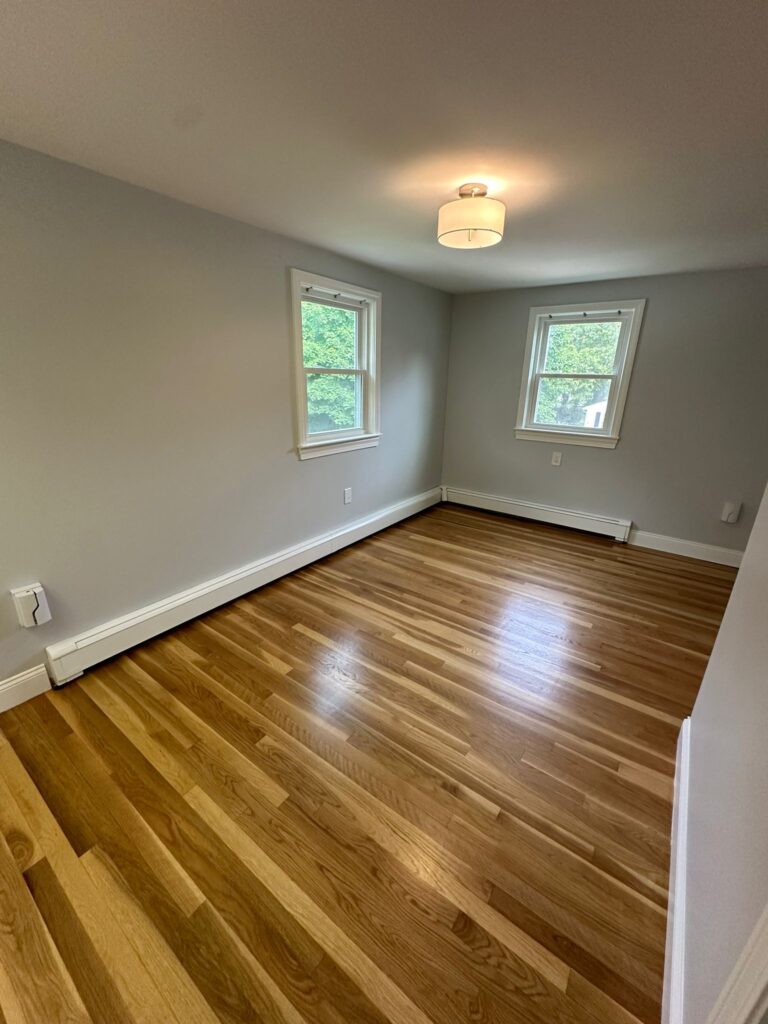
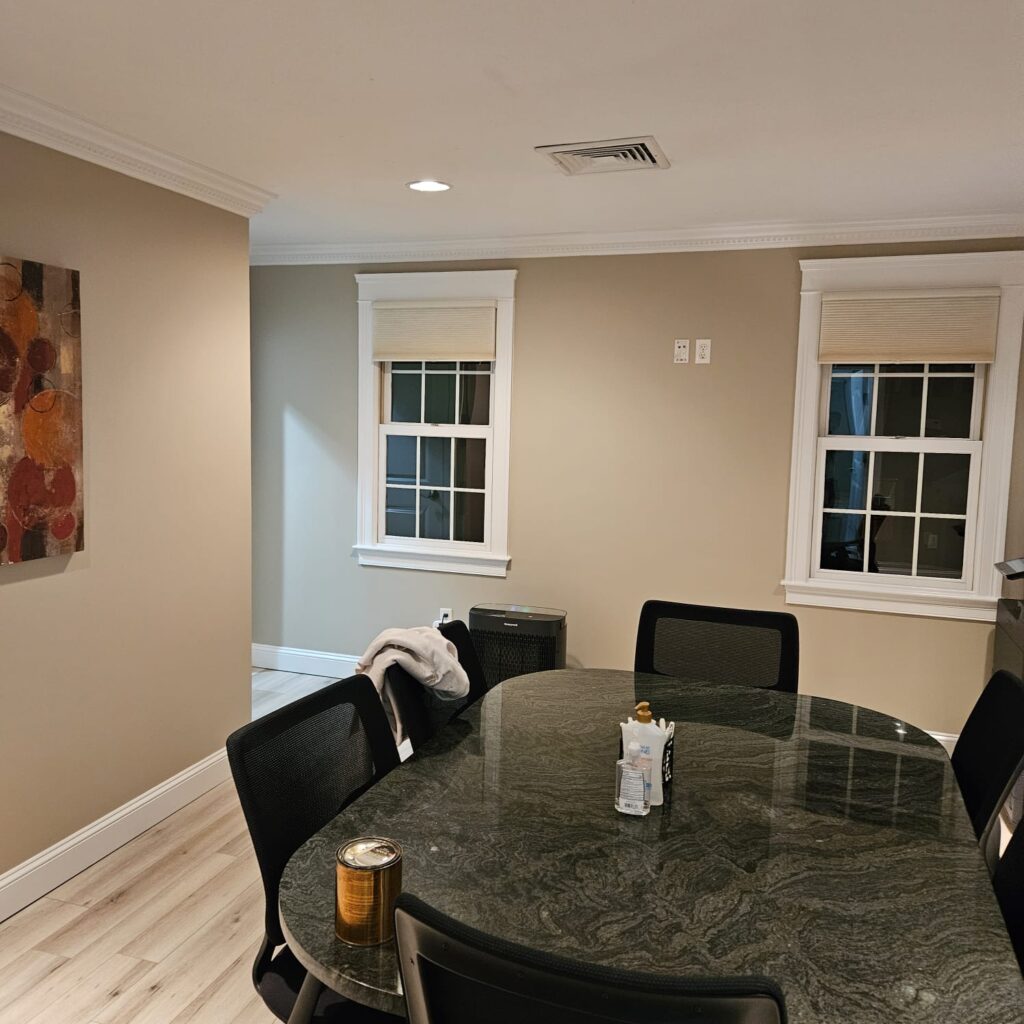
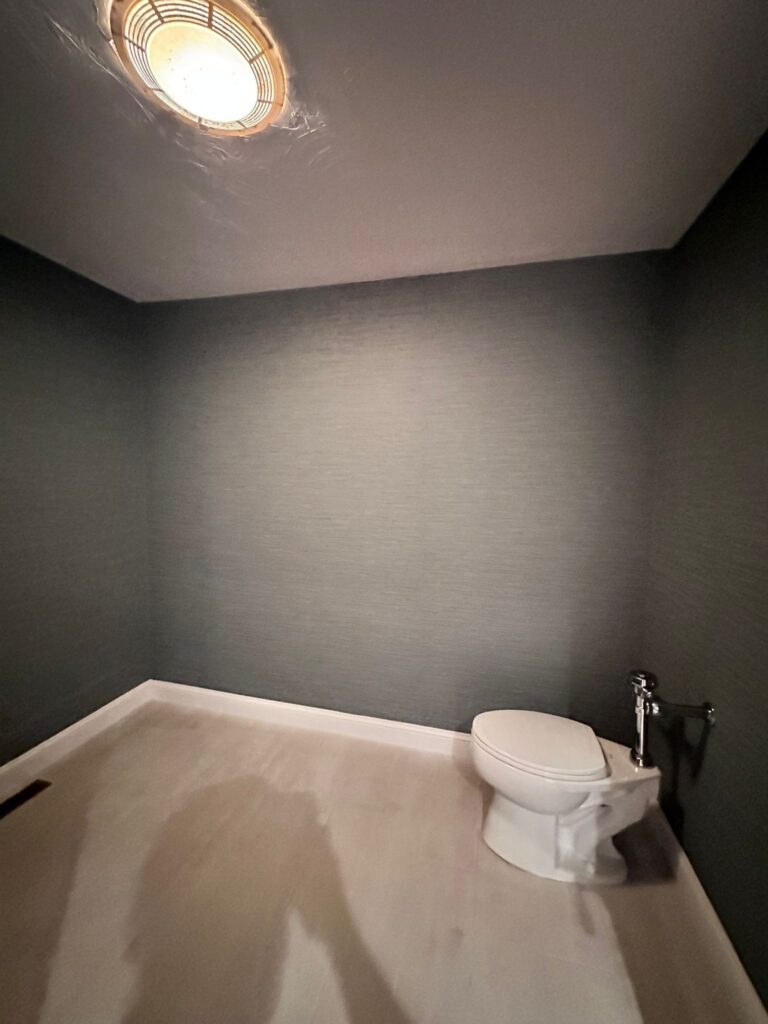
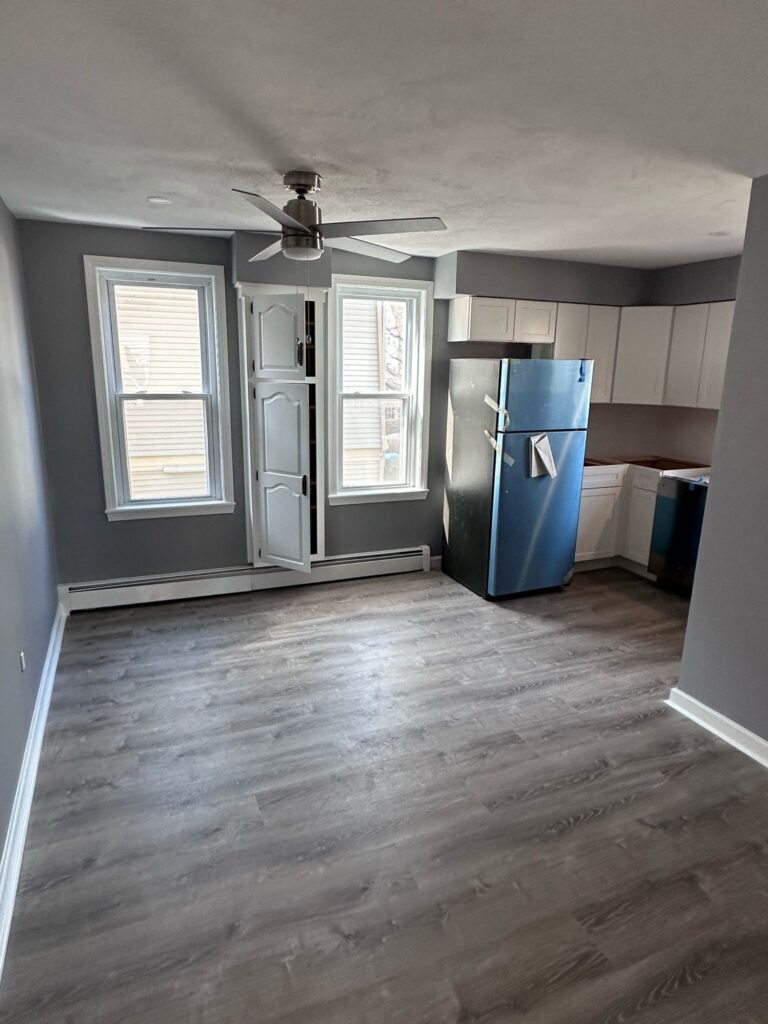
See the quality and craftsmanship that sets Deluxe General Services apart. With 20+ years of experience and 2,000+ completed projects across Massachusetts.

Don't Risk Repeated Failures

Adhesion problems that aren't properly addressed will continue to recur, costing more time and money with each failure. Get it done right the first time with professional expertise.

Ensure Lasting Adhesion

Need Professional Adhesion Solutions?

With 20+ years of experience and 2,000+ successful projects, Deluxe General Services has the expertise to solve any paint adhesion challenge. Get your free consultation today!