

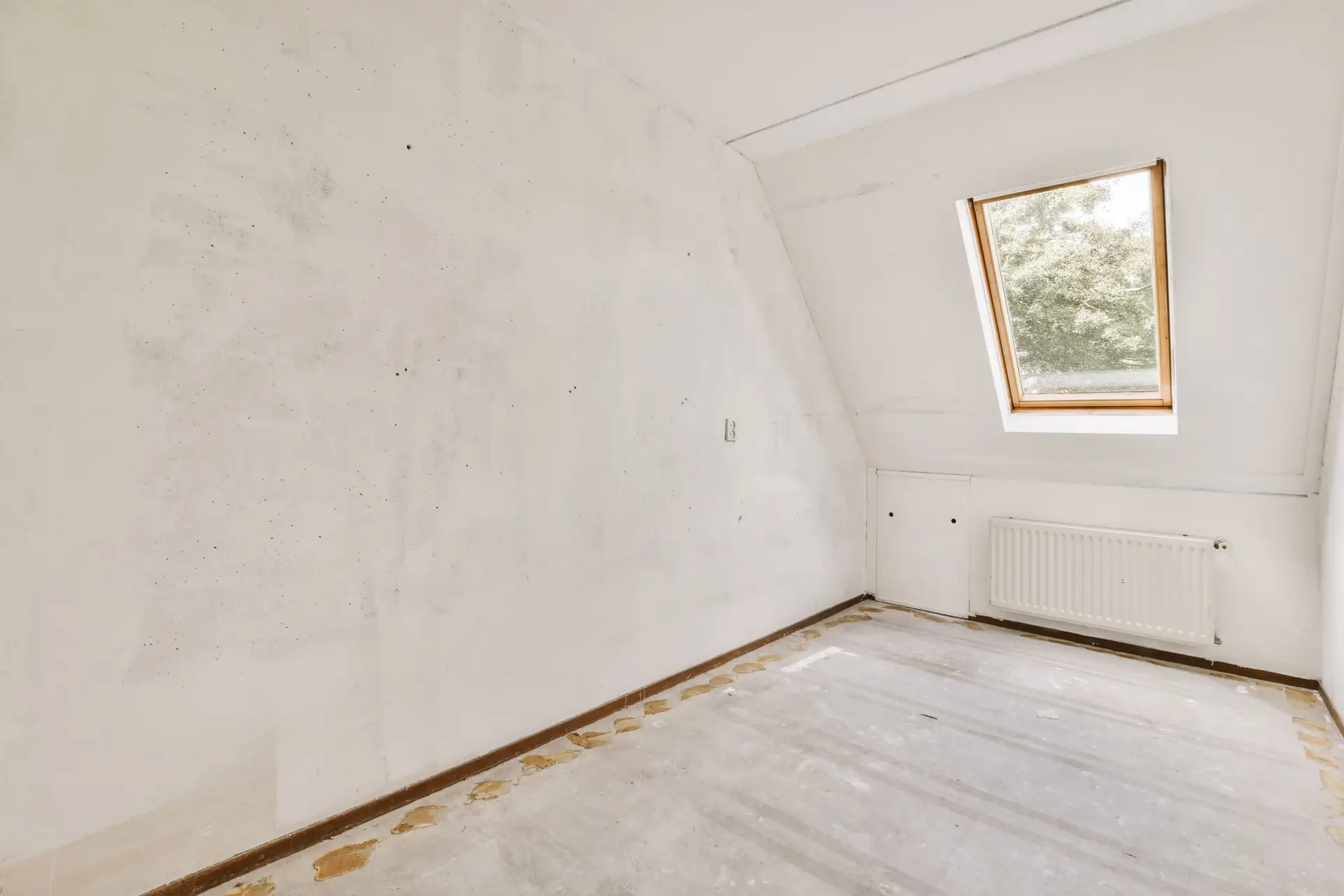
Finding mold on your walls is not just an aesthetic problem; it can also be a health concern. Mold thrives in damp, dark environments, and once it takes hold, it can be tricky to remove without damaging the paint underneath. This guide will walk you through safe and effective methods to clean mold from painted walls and prevent its return.
Why Mold Grows on Walls
Moisture and Humidity
Mold spores are always present in the air, but they need a source of moisture to grow. Walls near leaky pipes, in a room with a high humidity level (like a bathroom or basement), or in areas with poor airflow are prime locations for mold to develop.
Poor Ventilation
Lack of proper air circulation allows moisture to collect on surfaces, creating a perfect breeding ground for mold. This is especially true for corners, behind furniture, or in closets.
Safety Precautions Before Cleaning
Your safety is the top priority. Before you start, take the following steps to protect yourself and your home:
- Gloves, Mask, and Ventilation: Wear a pair of disposable gloves and a face mask or respirator to avoid inhaling mold spores. Make sure the room is well-ventilated by opening windows and using a fan.
- Protecting Nearby Furniture: Move any furniture away from the wall you are cleaning. Place drop cloths over the floor and any items you can’t move to protect them from cleaning solutions and mold spores.
Step-by-Step Mold Removal
Vinegar Spray Method
Vinegar is a natural, effective solution that kills about 82% of mold species. Fill a spray bottle with undiluted white distilled vinegar. Spray the vinegar directly onto the moldy area and let it sit for about an hour. After an hour, gently wipe the area with a damp cloth and allow it to dry completely.
Baking Soda Solution
Baking soda is a great, gentle cleaner and a natural deodorizer. Mix about a quarter of a tablespoon of baking soda with a cup of water in a spray bottle. Shake until dissolved. Spray the solution onto the mold and scrub with a soft brush. Rinse the area with a clean, wet cloth and then let it dry.
Using a Mild Bleach Solution Carefully
Bleach can be effective on non-porous surfaces but is not recommended for most painted walls, as it can damage the paint and often does not penetrate to the roots of the mold. If you choose to use it, mix one part bleach to three parts water. Spot test the solution on a small, hidden area of the wall first. Apply the solution carefully with a cloth or soft-bristle brush, then rinse with a clean, wet cloth.
Preventing Paint Damage
Gentle Scrubbing Techniques
Do not use a stiff brush or an abrasive sponge to scrub the walls. This can easily scratch the paint and damage the underlying drywall. Use a soft cloth, a microfiber towel, or a gentle, soft-bristle brush.
Avoiding Harsh Abrasives
Never use abrasive cleaners or powders on painted walls, as they will remove the paint and may leave a permanent mark.
Long-Term Mold Prevention
The best way to deal with mold is to prevent it from growing in the first place.
- Dehumidifiers and Exhaust Fans: If your basement or bathroom is prone to high humidity, use a dehumidifier to keep the air dry. Always use exhaust fans when showering or cooking to remove moisture from the air.
- Regular Wall Inspections: Periodically check your walls for signs of moisture or discoloration. Addressing a problem early can prevent it from turning into a major mold issue.
For stubborn mold problems or to ensure a professional, long-lasting solution, it’s best to call in the experts. Contact Deluxe General Services for a free quote on our comprehensive mold and water damage repair services!