Exterior Paint Chalking Solutions

Professional solutions for exterior paint chalking problems from Massachusetts experts with 20+ years of experience.

Understanding Exterior Paint Chalking

Exterior paint chalking is one of the most common and frustrating problems that homeowners face, particularly in Massachusetts where harsh weather conditions accelerate paint degradation. Chalking occurs when the paint film breaks down at the surface level, creating a powdery residue that rubs off on hands and clothing when touched. This phenomenon not only affects the aesthetic appearance of your home but also indicates that the protective qualities of the paint are compromised, leaving the underlying substrate vulnerable to moisture damage and further deterioration. With over 2,000 exterior painting projects completed across Massachusetts, our team at Deluxe General Services has encountered every type of chalking problem and developed proven strategies for both prevention and correction.

Chalking is essentially the breakdown of the paint binder, which is the component that holds the pigment particles together and bonds them to the surface. When the binder deteriorates due to ultraviolet radiation, moisture, temperature fluctuations, and other environmental factors, the pigment particles become loose and create the characteristic chalky appearance. This process is accelerated by poor quality paint, improper surface preparation, or application under adverse conditions.

Understanding the difference between normal weathering and excessive chalking is crucial for determining the appropriate response. Some degree of chalking is expected as paint ages, but excessive chalking that occurs prematurely or creates heavy residue indicates a problem that requires professional attention. The key is identifying the underlying causes and implementing solutions that not only address the immediate problem but also prevent recurrence.
Severe Chalking Problems?

Extensive chalking often requires professional assessment and specialized preparation techniques. Our experienced team can evaluate and resolve even the most challenging chalking issues.

Get Professional Assessment

Types and Causes of Paint Chalking

UV-Induced Chalking

The most common type of chalking results from prolonged exposure to ultraviolet radiation, which breaks down the chemical bonds in the paint binder. This is particularly problematic on south and west-facing surfaces that receive intense sunlight throughout the day. UV-induced chalking typically appears as a uniform powdery surface across the entire exposed area.

Moisture-Related Chalking

Excessive moisture from rain, humidity, or poor drainage can accelerate paint breakdown, particularly when combined with temperature fluctuations. This type of chalking often appears more severe in areas where water tends to collect or where there are drainage problems around the foundation or roof lines.

Poor Quality Paint Chalking

Low-quality paints with insufficient binder content or poor formulation are prone to premature chalking. These paints may begin showing chalking symptoms within just a few years of application, particularly when exposed to harsh environmental conditions common in Massachusetts.

Application-Related Chalking

Improper application techniques, such as applying paint too thinly, over-thinning the paint, or applying under adverse weather conditions, can result in premature chalking. Paint applied over poorly prepared surfaces or incompatible primers may also exhibit early chalking problems.

Substrate-Induced Chalking

Certain substrate materials, particularly those that are highly alkaline or contain salts, can contribute to paint breakdown and chalking. This is sometimes seen on masonry surfaces or areas where de-icing salts have been used extensively.

Environmental Chalking

Exposure to industrial pollutants, salt air near coastal areas, or other environmental contaminants can accelerate paint degradation and chalking. These factors are particularly relevant in Massachusetts due to the state's industrial history and coastal location.

Professional Chalking Repair Process

1

Assess Chalking Severity and Extent

Conduct a thorough evaluation of the chalking problem by testing different areas of the surface. Use the "tape test" by applying masking tape to the chalky surface and pulling it off to see how much residue transfers. Document areas of heavy, moderate, and light chalking to develop an appropriate treatment strategy.

🔍 Professional Testing

Use standardized testing methods to quantify chalking severity. This helps determine whether spot treatment or complete repainting is necessary.

2

Remove Chalky Residue

Use appropriate cleaning methods to remove loose chalk and prepare the surface for new paint. This typically involves pressure washing with appropriate detergents, followed by scrubbing with stiff brushes in areas where chalking is heavy. Allow the surface to dry completely before proceeding.

3

Evaluate Remaining Paint Film

After cleaning, assess the condition of the remaining paint film. Areas where the paint is still well-bonded may only require spot priming and touch-up, while areas with poor adhesion will require complete removal down to the substrate.

4

Prepare the Surface

Complete any necessary surface preparation, including scraping loose paint, sanding rough areas, filling cracks or holes, and ensuring the surface is clean and dry. Pay particular attention to areas where chalking was severe, as these may require additional preparation.

5

Apply High-Quality Primer

Use a high-quality primer designed for exterior use and appropriate for the substrate. The primer should penetrate and seal any remaining chalky residue while providing a stable base for the topcoat. Allow proper curing time before applying finish coats.

6

Apply Premium Exterior Paint

Use high-quality exterior paint with excellent UV resistance and durability. Apply according to manufacturer specifications, ensuring proper film thickness and coverage. Consider using paint with enhanced chalk resistance for areas that previously experienced severe chalking.

Professional Chalking Prevention

Our team uses premium materials and proven techniques that provide superior resistance to chalking, ensuring your exterior paint maintains its appearance and protection for years to come.

Get Long-Lasting Protection

Preventing Future Chalking Problems

Quality Paint Selection

Invest in high-quality exterior paints with proven resistance to chalking and UV degradation. Look for paints with high-quality acrylic binders and UV-resistant formulations. While premium paints cost more initially, they provide significantly better long-term performance and value.

Proper Surface Preparation

Thorough surface preparation is crucial for preventing premature paint failure and chalking. This includes proper cleaning, priming, and ensuring the surface is in good condition before painting. Address any moisture issues or substrate problems that could contribute to paint degradation.

Application Best Practices

Follow manufacturer recommendations for application conditions, film thickness, and curing times. Avoid painting in direct sunlight, extreme temperatures, or high humidity conditions that can affect paint performance. Use proper application techniques to ensure uniform coverage and film thickness.

Regular Maintenance

Implement a regular maintenance schedule that includes cleaning, inspection, and touch-up as needed. Early intervention can prevent minor issues from becoming major problems requiring complete repainting.

Environmental Considerations

Consider the specific environmental challenges of your location when selecting paint and planning maintenance. In Massachusetts, this includes preparing for harsh winters, high humidity summers, and potential salt exposure in coastal areas.

Professional Chalking Solutions

Specialized Cleaning Techniques

Professional painters use specialized cleaning equipment and techniques to effectively remove chalky residue without damaging the underlying surface. This includes adjustable pressure washing systems, specialized detergents, and proper sequencing of cleaning operations.

Advanced Primer Systems

High-performance primer systems designed specifically for chalky surfaces can penetrate and stabilize remaining chalk while providing superior adhesion for topcoats. These primers often contain special binding agents that encapsulate chalk particles.

Multi-Coat Systems

Professional applications often involve multiple thin coats rather than single thick applications. This approach provides better durability, appearance, and resistance to environmental factors that cause chalking.

Environmental Protection

Professional painters use techniques to protect painted surfaces from environmental factors that accelerate chalking. This may include strategic color selection, protective overcoats, or architectural modifications to reduce exposure.

Our Professional Projects

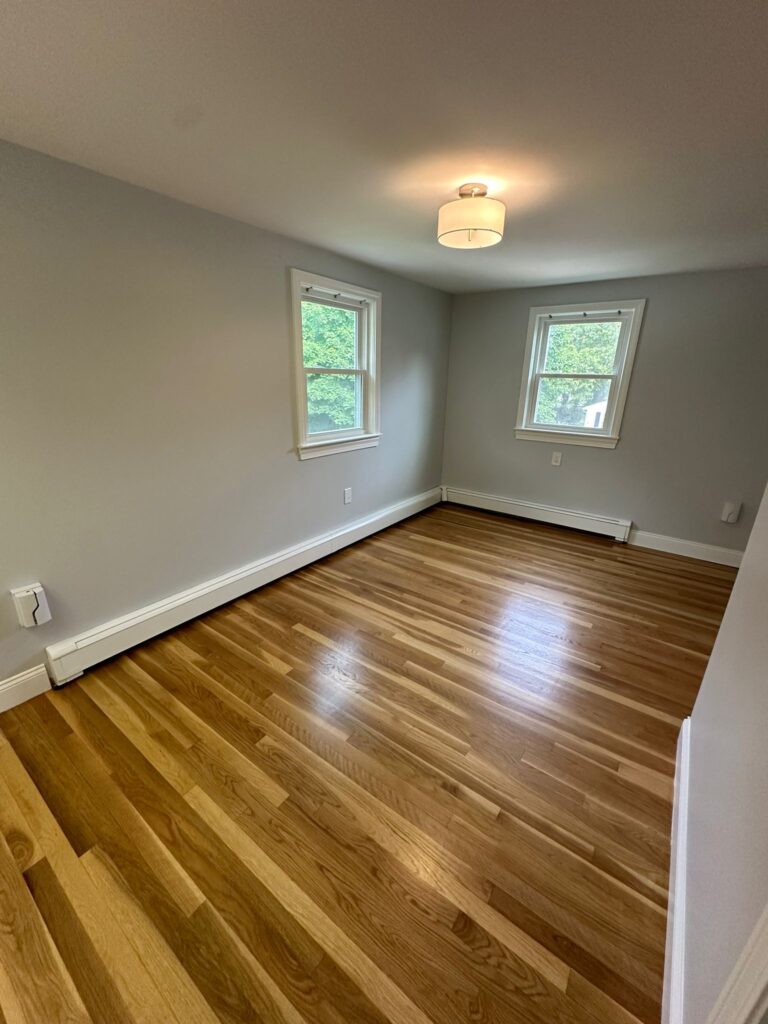
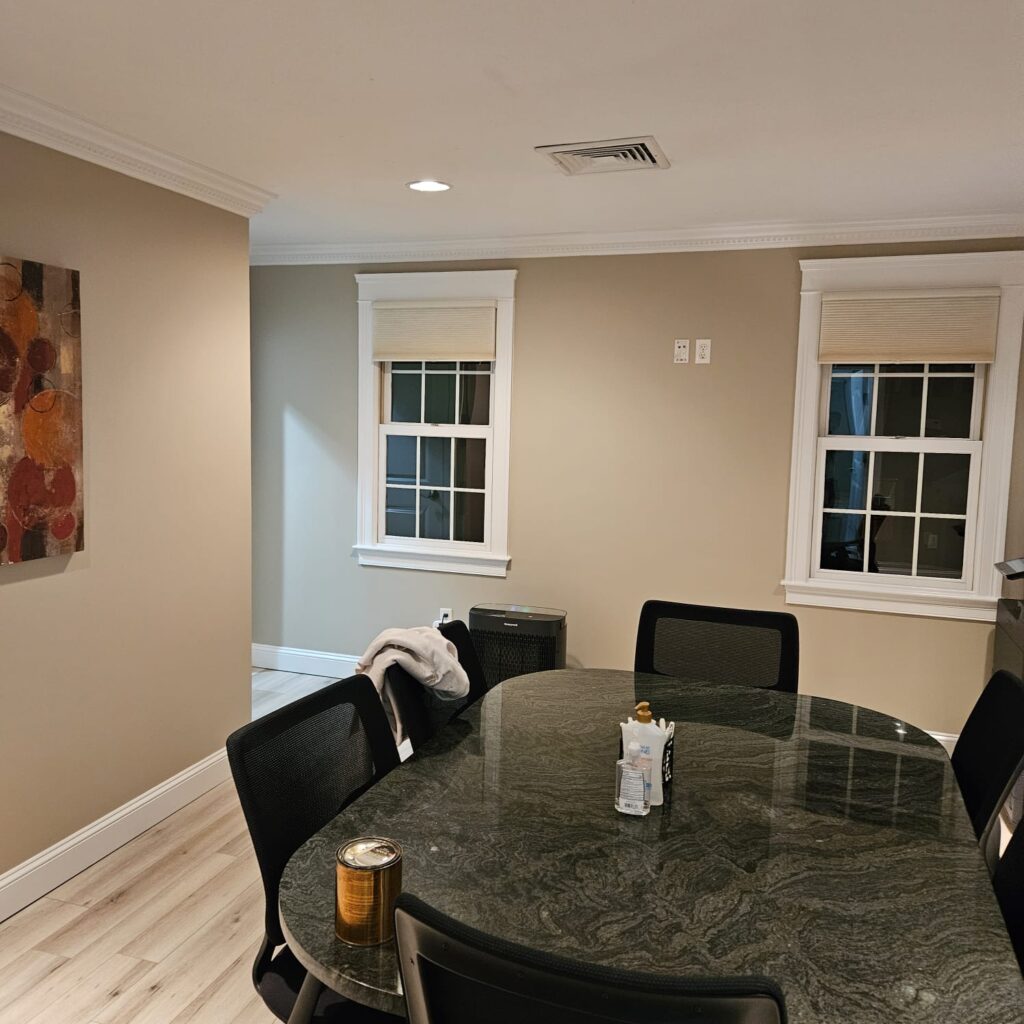
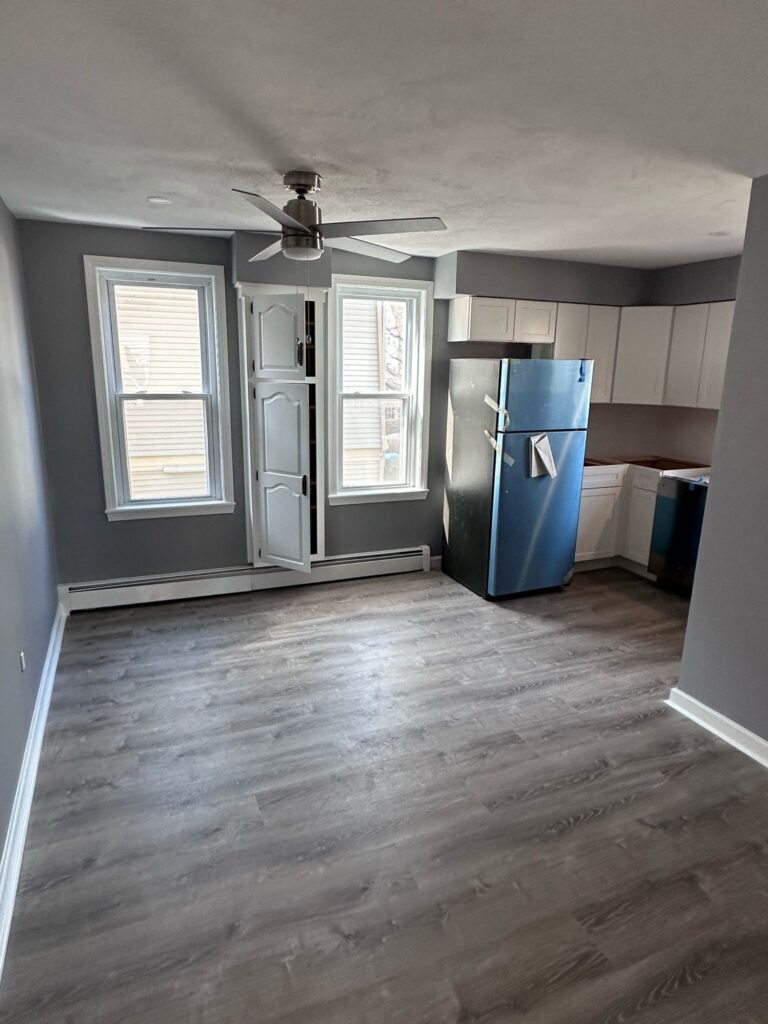
See the quality and craftsmanship that sets Deluxe General Services apart. With 20+ years of experience and 2,000+ completed projects across Massachusetts.

Stop Chalking Before It Spreads

Early intervention is key to preventing extensive chalking damage. Professional assessment and treatment can save you thousands in complete repainting costs while restoring your home's protection and appearance.

Get Immediate Solutions

Need Professional Chalking Solutions?

With 20+ years of experience and 2,000+ successful projects, Deluxe General Services has the expertise to resolve any chalking problem and prevent future issues. Get your free consultation today!