Drywall Texture Matching Guide

Professional solutions for matching drywall textures from Massachusetts experts with 20+ years of experience.

Understanding Drywall Texture Matching

Drywall texture matching represents one of the most challenging and skill-intensive aspects of professional drywall repair and renovation work, requiring a deep understanding of texture application techniques, material properties, and artistic sensibility to achieve seamless integration between new and existing surfaces. The ability to perfectly match existing textures can make the difference between a repair that's virtually invisible and one that stands out as an obvious patch, affecting both the aesthetic appeal and property value of the space. With over 2,000 renovation projects completed across Massachusetts, our team at Deluxe General Services has mastered the art and science of texture matching across every type of wall finish commonly found in residential and commercial properties.

Successful texture matching requires more than just technical skill; it demands careful analysis of existing patterns, understanding of the tools and techniques originally used, and the ability to replicate those conditions to achieve consistent results. Different texture types require different approaches, from simple orange peel finishes that can be achieved with basic spray equipment to complex hand-applied textures that require specialized tools and years of experience to master.

The challenge of texture matching is compounded by factors such as aging of existing textures, variations in lighting conditions, and the need to blend new work seamlessly with surfaces that may have been applied decades ago using different materials and techniques. Professional texture matching involves not just replicating the visual appearance but also ensuring that the new texture will age and weather consistently with the existing surface.
Complex Texture Matching?

Difficult or unusual textures require specialized expertise and professional techniques. Our experienced team can match any texture type for seamless repairs.

Get Expert Texture Matching

Common Drywall Texture Types

Orange Peel Texture

One of the most common residential textures, orange peel creates a subtle, dimpled surface that resembles the skin of an orange. This texture is typically applied using a spray gun with specific pressure and material consistency settings, and matching requires careful attention to droplet size and coverage density.

Knockdown Texture

A popular texture that involves spraying material similar to orange peel but then lightly flattening the peaks with a knockdown knife. The timing of the knockdown process is critical, and matching requires understanding the original technique and timing used.

Popcorn Texture

A heavily textured finish popular in older homes, popcorn texture creates a rough, bumpy surface. Matching this texture can be challenging due to variations in material composition and application techniques used over different time periods.

Skip Trowel Texture

A hand-applied texture created by lightly dragging a trowel across wet joint compound. This texture requires significant skill to match as it involves replicating the hand movements and pressure of the original applicator.

Brush Texture

Created by dragging brushes or other tools through wet compound to create various patterns. Matching requires identifying the specific tools used and replicating the application technique.

Smooth Finish

While not technically a texture, achieving a perfectly smooth finish that matches existing smooth walls requires exceptional skill and attention to detail, particularly in blending edges and achieving uniform surface quality.

Professional Texture Matching Process

1

Analyze Existing Texture

Carefully examine the existing texture under various lighting conditions to understand the pattern, depth, and characteristics. Take photos and measurements to document the texture for reference during matching attempts.

🔍 Detailed Analysis

Use raking light to reveal texture details that aren't visible under normal lighting. Understanding the original application method is crucial for successful matching.

2

Prepare Test Samples

Create test samples on scrap drywall or in inconspicuous areas to perfect the matching technique. Experiment with different materials, tools, and techniques until achieving a close match to the existing texture.

3

Select Appropriate Materials

Choose joint compound or texture materials that will produce results similar to the original. Consider factors such as drying time, shrinkage, and final appearance when selecting materials.

4

Prepare the Repair Area

Ensure the repair area is properly prepared with smooth, primed surfaces that will accept the texture material properly. The substrate preparation affects how the texture will appear and adhere.

5

Apply Matching Texture

Use the techniques perfected during testing to apply texture to the repair area. Work carefully to blend the edges with the existing texture, ensuring seamless transitions.

6

Prime and Paint

After the texture has dried completely, prime and paint the area to match the existing finish. The paint application can significantly affect how well the texture match appears, so use appropriate techniques and materials.

Seamless Texture Integration

Our master craftsmen have perfected texture matching techniques that create invisible repairs, ensuring your walls look flawless and maintain their original character.

Get Invisible Texture Repairs

Professional Texture Matching Techniques

Tool Selection and Preparation

Professional texture matching requires the right tools for each specific texture type. This includes various spray guns, brushes, trowels, and specialized texture tools. Understanding which tools were originally used helps achieve accurate matches.

Material Consistency Control

Achieving consistent texture requires precise control of material consistency, which affects how the texture applies and appears. Professional contractors understand how to adjust materials for optimal results.

Environmental Considerations

Temperature, humidity, and air circulation affect how textures apply and dry. Professional work involves controlling these factors to ensure consistent results that match existing conditions.

Blending and Feathering

The key to invisible repairs is perfect blending at the edges where new texture meets existing surfaces. This requires specialized techniques to create seamless transitions.

Aging and Weathering Simulation

New textures often look different from aged existing textures. Professional techniques can simulate aging effects to ensure new work blends perfectly with older surfaces.

Texture Matching Challenges

Discontinued Materials

Older textures may have been created with materials that are no longer available, requiring creative solutions to achieve similar results with modern materials.

Lighting Variations

Textures can appear different under various lighting conditions. Professional matching considers how the repair will look under all lighting scenarios in the space.

Multiple Texture Layers

Some walls have multiple layers of texture applied over time, creating complex patterns that require careful analysis and specialized matching techniques.

Color Integration

Even perfect texture matches can be visible if the color doesn't match exactly. Professional work includes color matching to ensure complete integration.

Our Professional Projects

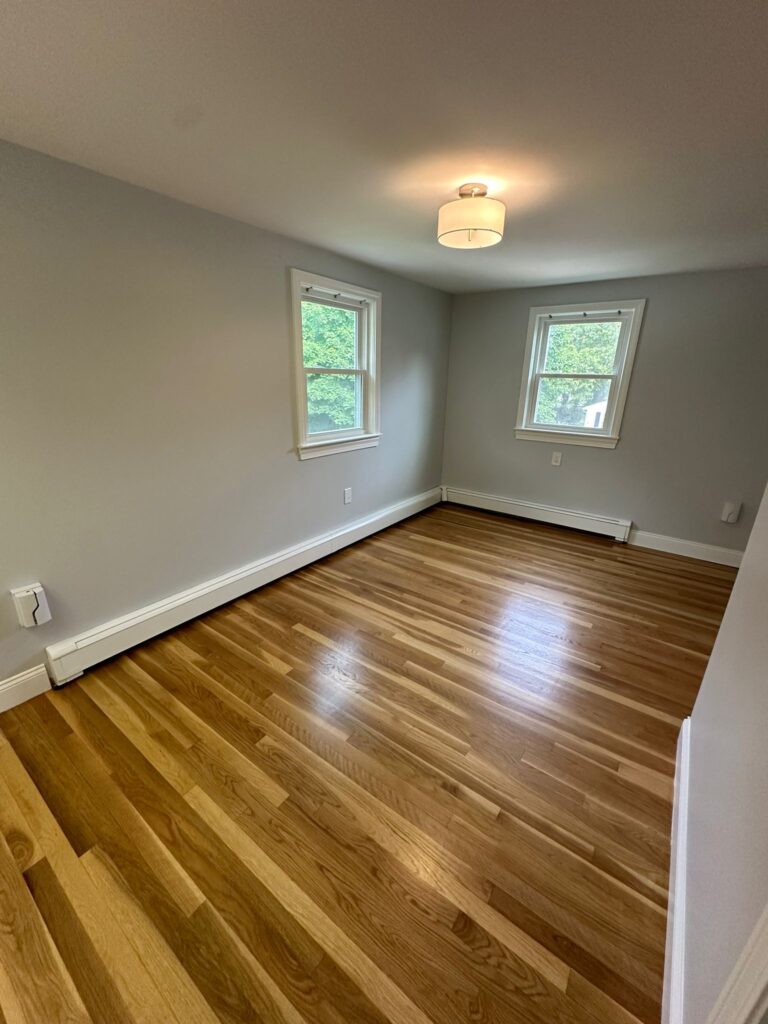
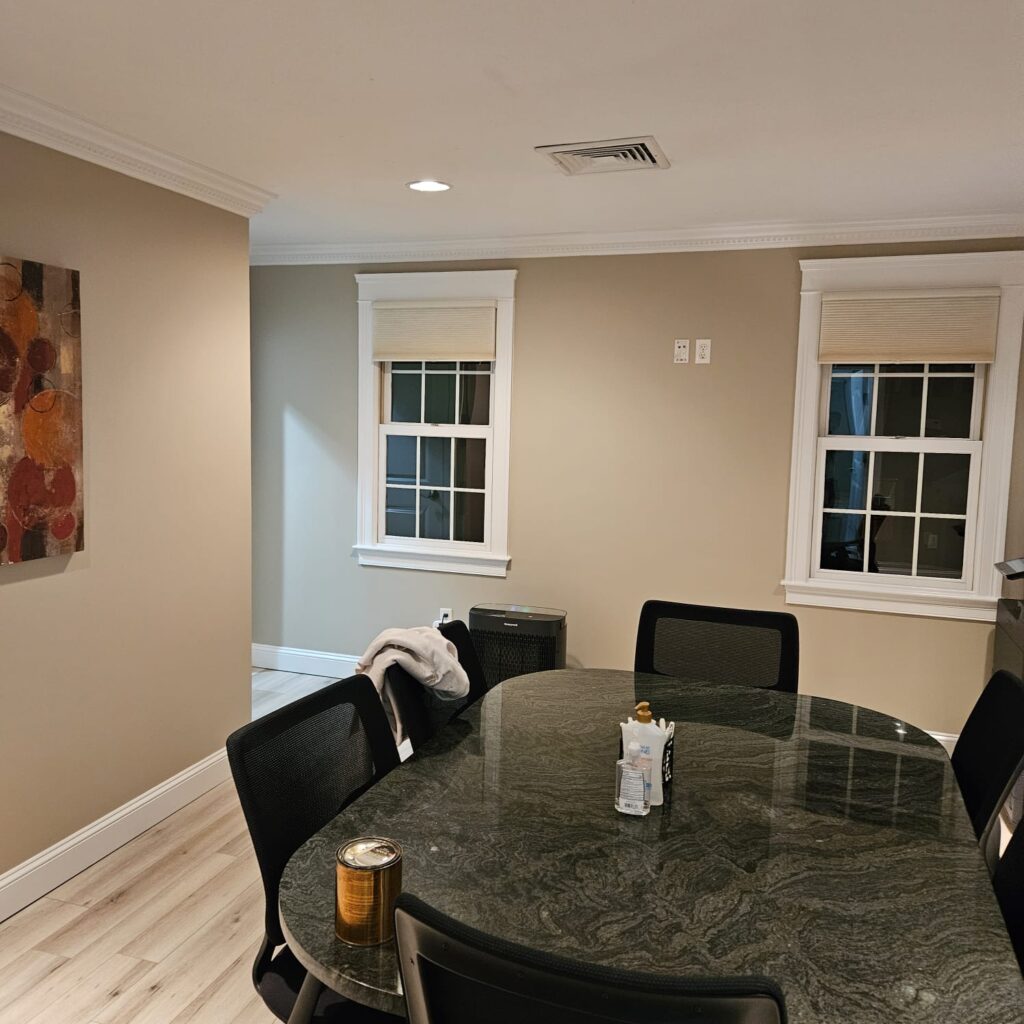
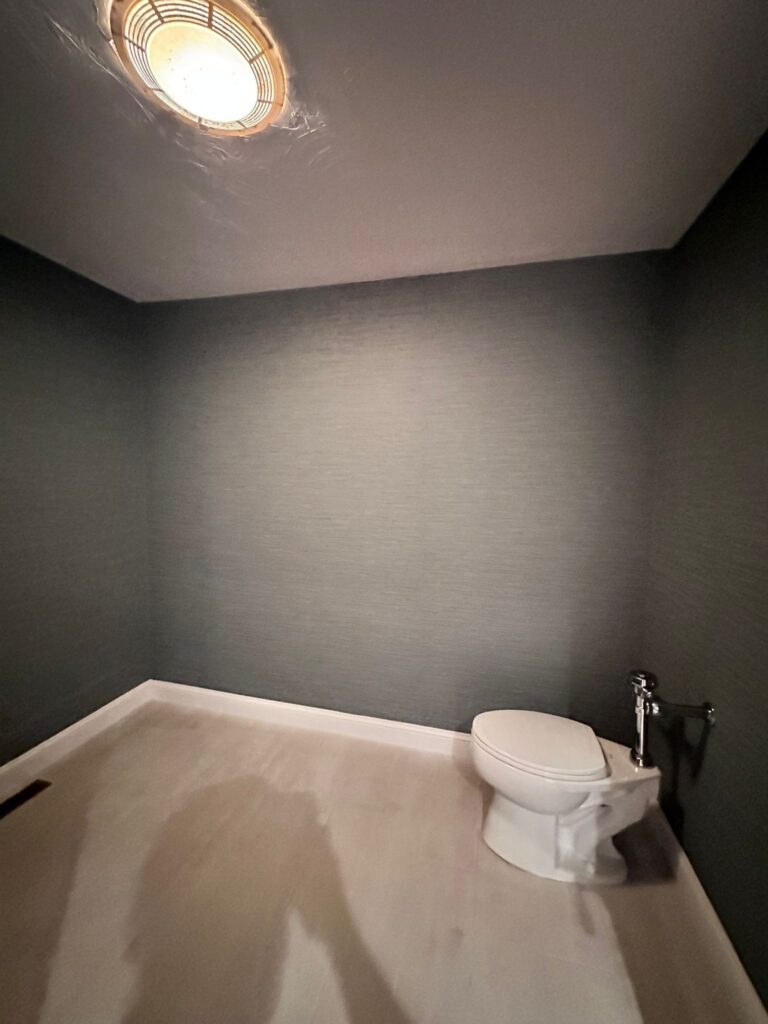
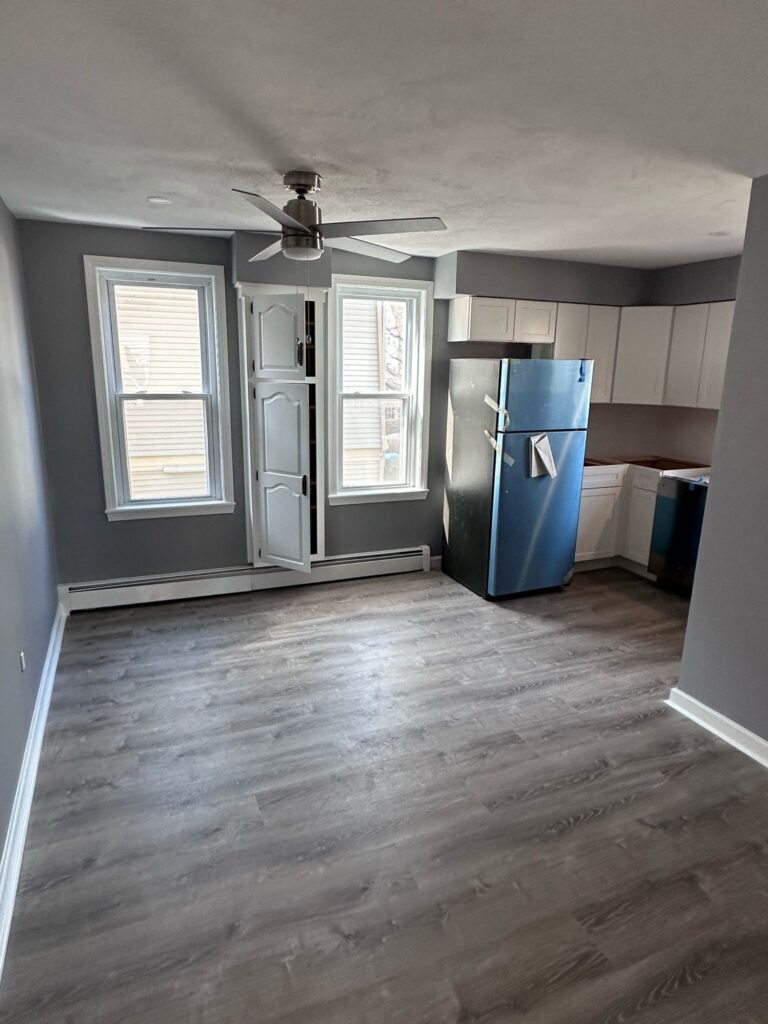
See the quality and craftsmanship that sets Deluxe General Services apart. With 20+ years of experience and 2,000+ completed projects across Massachusetts.

Perfect Texture Matching

Don't let visible repairs compromise your space's appearance. Professional texture matching ensures seamless integration that maintains the original character of your walls.

Get Professional Texture Work

Need Professional Texture Matching?

With 20+ years of experience and 2,000+ successful projects, Deluxe General Services has the expertise to match any texture perfectly. Get your free consultation today!