Door Alignment Problems Guide

Professional solutions for door alignment issues from Massachusetts experts with 20+ years of experience.

Understanding Door Alignment Problems

Door alignment problems are among the most common and frustrating issues that homeowners and property managers face, affecting both the functionality and security of interior and exterior doors throughout residential and commercial properties. These problems can manifest as doors that won't close properly, gaps around the frame, difficulty latching, or doors that swing open or closed on their own, creating inconvenience, energy loss, and potential security concerns. With over 2,000 carpentry and renovation projects completed across Massachusetts, our team at Deluxe General Services has encountered every type of door alignment issue and developed comprehensive strategies for both diagnosis and permanent correction.

Proper door alignment is crucial for optimal performance, energy efficiency, security, and longevity of both the door and its hardware. When doors are properly aligned, they operate smoothly, seal effectively against weather and sound, and provide reliable security. Misaligned doors, on the other hand, can cause premature wear of hinges and hardware, increased energy costs due to air leakage, and frustration for users who struggle with doors that don't function as intended.

Understanding the root causes of door alignment problems is essential for implementing effective solutions that address not just the symptoms but the underlying issues that cause doors to become misaligned over time. Professional door alignment involves precise measurement, careful adjustment, and sometimes structural modifications to ensure long-term performance and reliability.
Persistent Door Problems?

Recurring alignment issues often indicate underlying structural problems that require professional assessment. Our experienced carpenters can identify and resolve the root causes.

Get Professional Assessment

Common Door Alignment Issues

Sagging Doors

One of the most common alignment problems, door sagging occurs when the door drops at the latch side, causing the bottom corner to drag on the floor or threshold. This typically results from worn hinges, loose screws, or structural settling that affects the door frame.

Gaps Around the Frame

Uneven gaps around the door perimeter indicate alignment problems that can affect energy efficiency, weather sealing, and security. These gaps may be caused by frame movement, door warping, or improper installation.

Difficulty Latching

When doors don't latch properly or require force to close, the problem often stems from misalignment between the door and the strike plate. This can be caused by settling, hinge wear, or changes in the door or frame dimensions.

Self-Opening or Self-Closing Doors

Doors that swing open or closed on their own indicate that the door frame is not plumb or level, causing gravity to affect door movement. This problem often develops gradually as buildings settle or structural elements shift.

Binding and Sticking

Doors that bind or stick during operation may be rubbing against the frame due to swelling, warping, or frame movement. This problem can worsen over time and may eventually prevent the door from operating at all.

Hardware Misalignment

When door hardware such as handles, locks, or strike plates don't align properly, it can prevent proper door operation and compromise security. This often occurs when doors shift relative to their frames.

Professional Door Alignment Process

1

Comprehensive Assessment

Thoroughly evaluate the door, frame, and surrounding structure to identify all alignment issues and their underlying causes. Use levels, squares, and measuring tools to document the current condition and determine the scope of corrections needed.

🔍 Structural Evaluation

Check for signs of structural settling or movement that may be causing ongoing alignment problems. Address structural issues before making door adjustments.

2

Hinge Inspection and Repair

Examine all hinges for wear, loose screws, or damage. Tighten loose screws, replace worn hinges, and ensure proper hinge alignment. Use longer screws to secure hinges into structural framing when necessary.

3

Frame Adjustment

Adjust the door frame as needed to correct alignment issues. This may involve shimming, planing, or repositioning frame components to achieve proper door fit and operation.

4

Door Modification

Make necessary modifications to the door itself, such as planing edges, adjusting mortises, or repositioning hardware to achieve proper fit and alignment within the corrected frame.

5

Hardware Alignment

Adjust or relocate door hardware including handles, locks, and strike plates to ensure proper alignment and smooth operation. Verify that all hardware functions correctly with the aligned door.

6

Final Testing and Adjustment

Test door operation thoroughly, checking for smooth opening and closing, proper latching, and consistent gaps around the frame. Make final adjustments as needed to achieve optimal performance.

Professional Door Solutions

Our master carpenters use precision techniques and quality materials to ensure your doors operate smoothly and reliably for years to come, enhancing both function and security.

Get Expert Door Service

Preventing Door Alignment Problems

Quality Installation

Proper initial installation is crucial for long-term door performance. This includes ensuring the frame is square and plumb, using appropriate fasteners, and allowing for seasonal movement of building materials.

Regular Maintenance

Implement a regular maintenance schedule that includes checking and tightening hinge screws, lubricating moving parts, and inspecting for early signs of alignment problems before they become serious issues.

Environmental Control

Maintain consistent humidity levels to minimize wood movement that can affect door alignment. Use appropriate finishes to protect doors from moisture and temperature fluctuations.

Quality Hardware

Use high-quality hinges and hardware appropriate for the door weight and usage frequency. Heavy doors require robust hinges with adequate support to prevent sagging over time.

Structural Monitoring

Monitor the building for signs of settling or structural movement that could affect door alignment. Address structural issues promptly to prevent door problems from developing.

Professional Door Alignment Techniques

Precision Measurement Tools

Professional carpenters use specialized tools including digital levels, laser alignment systems, and precision measuring devices to achieve exact door alignment and ensure optimal performance.

Structural Reinforcement

When alignment problems are caused by structural issues, professional solutions may include reinforcing the door frame, adding structural support, or modifying the surrounding structure to provide stable mounting.

Custom Hardware Solutions

Specialized hardware including adjustable hinges, heavy-duty strike plates, and reinforcement systems can provide superior performance and longevity compared to standard hardware.

Weatherization Integration

Professional door alignment includes proper weatherstripping installation and adjustment to ensure energy efficiency while maintaining smooth door operation and proper sealing.

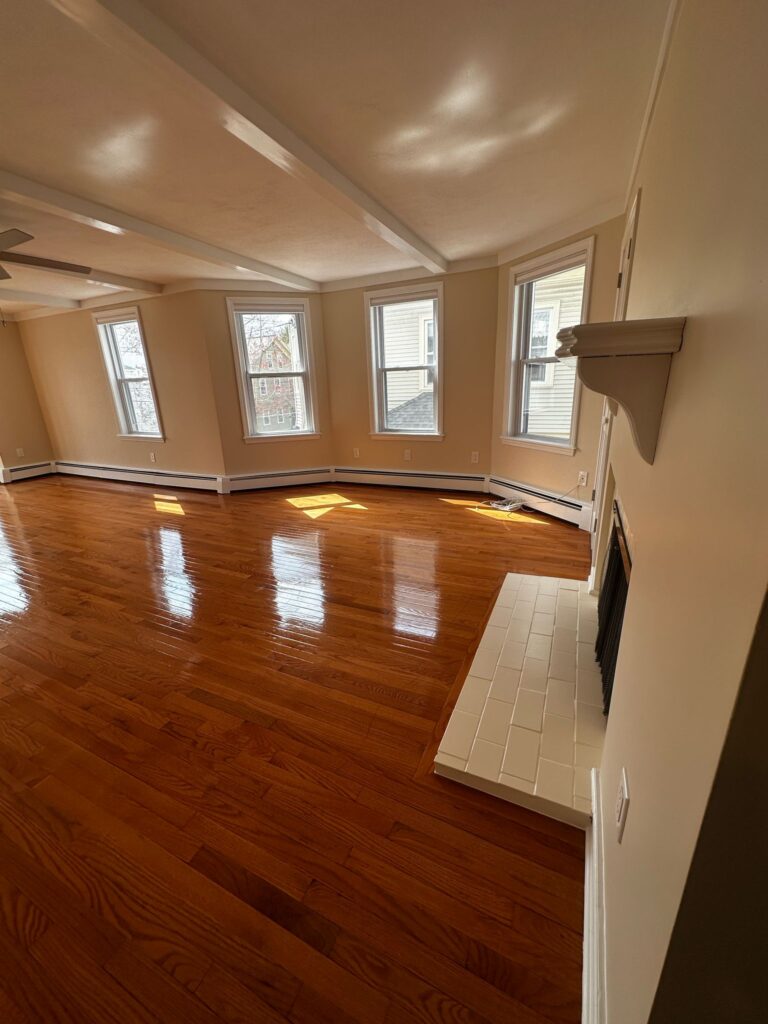
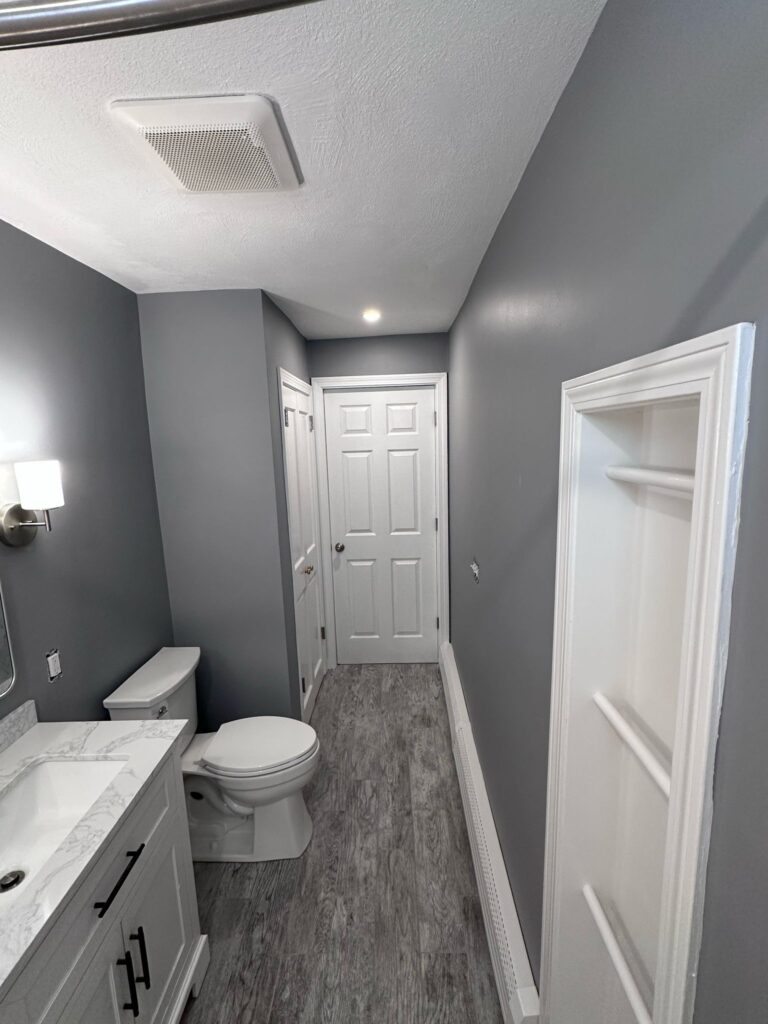
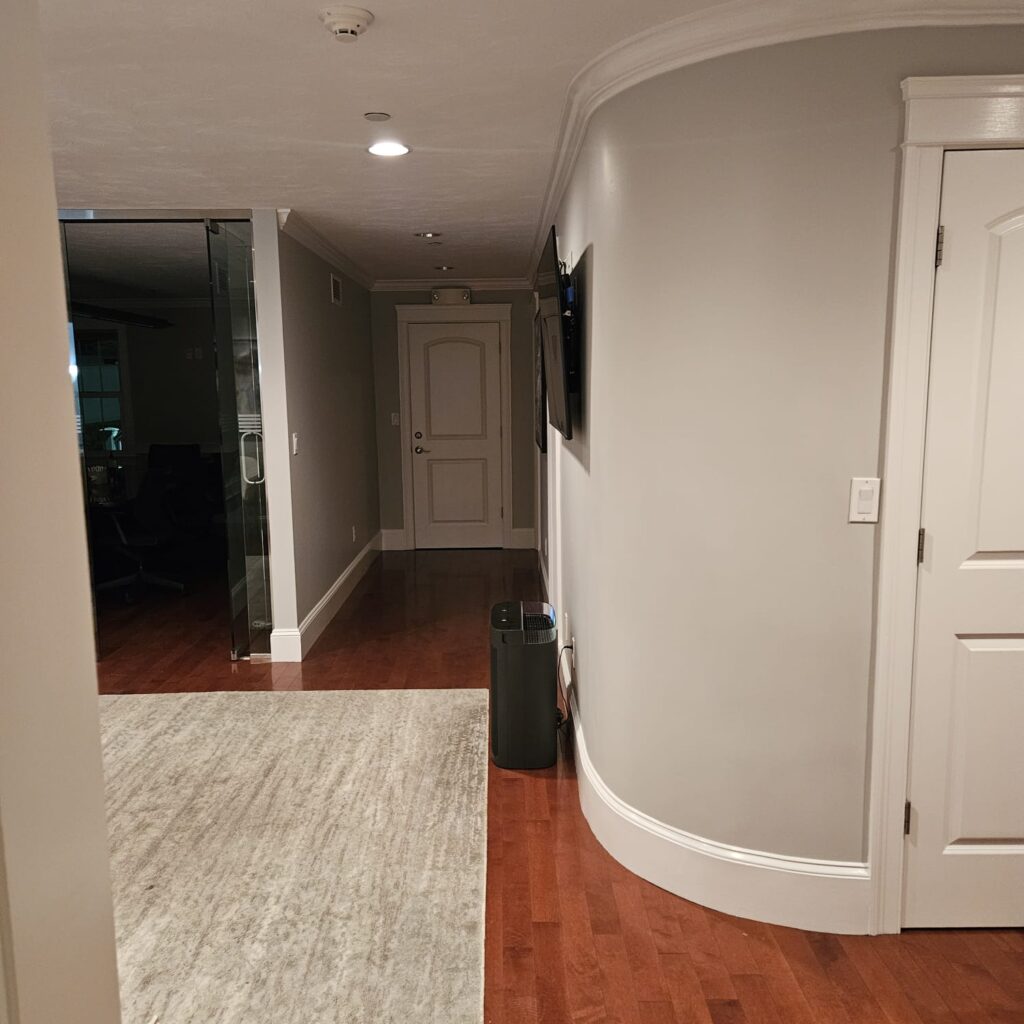
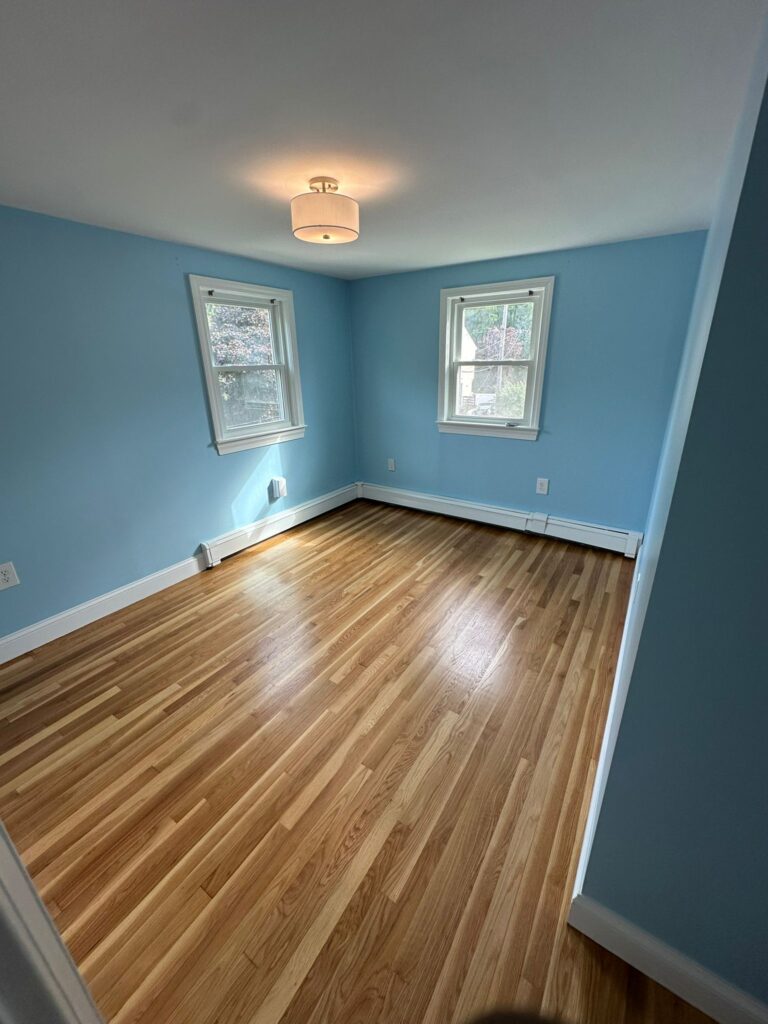
Our Professional Projects

See the quality and craftsmanship that sets Deluxe General Services apart. With 20+ years of experience and 2,000+ completed projects across Massachusetts.

Perfect Door Operation

Don't let misaligned doors compromise your home's function, security, or energy efficiency. Professional alignment ensures smooth operation and long-term reliability.

Get Professional Door Alignment

Need Professional Door Solutions?

With 20+ years of experience and 2,000+ successful projects, Deluxe General Services has the expertise to resolve any door alignment problem. Get your free consultation today!