

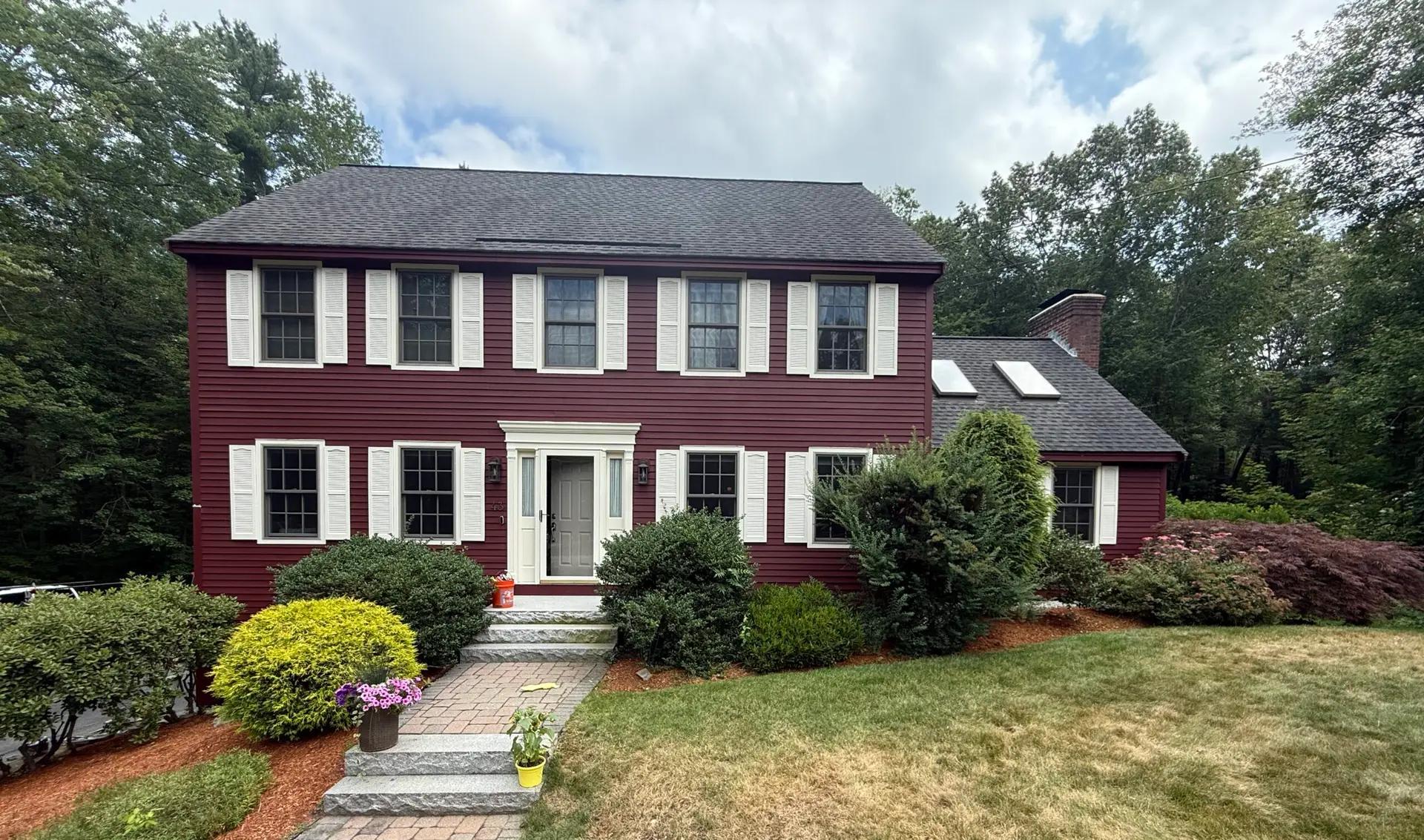
While it may seem convenient to use leftover interior paint for a small outdoor project, the answer from a professional standpoint is a firm no. Interior and exterior paints are engineered for fundamentally different environments, and using the wrong one will lead to rapid failure of the coating.
What’s the Difference Between Interior and Exterior Paint?
The core difference lies in the chemical composition, specifically the binders, additives, and pigments used to formulate the paint film. These components dictate how the paint cures and behaves under stress.
Pigments, Binders, and Additives in Exterior Paint vs. Interior Paint
| Component | Interior Paint (Focus: Washability & Low VOC) | Exterior Paint (Focus: Flexibility & Weather Resistance) |
| Binders (Resin) | Hard, rigid binders (e.g., vinyl acrylics). Designed to cure hard to resist scrubbing, scuffs, and burnishing indoors. | Softer, more flexible binders (e.g., pure acrylics). Designed to expand and contract with temperature swings without cracking. |
| Pigments | Standard pigments (often titanium dioxide). Not typically formulated with maximum UV resistance. | Pigments are engineered to be highly UV-resistant to prevent color fading from constant sunlight exposure. |
| Additives | Focus on low Volatile Organic Compounds (VOCs) for better indoor air quality; sometimes includes mold/mildew resistant agents for high-moisture rooms. | Includes powerful mildewcides and fungicides to fight biological growth; contains UV stabilizers to protect the film from sun damage. |
Durability and Environment Exposure: UV, Moisture, and Temperature Changes
Exterior paint is built to withstand a three-pronged attack that interior paint is wholly unprepared for:
- UV Radiation: Sunlight breaks down the chemical bonds in standard interior paint binders and fades the pigments rapidly. Exterior paint uses special UV-resistant components.
- Moisture: Exterior paint is highly resistant to water penetration (rain, snow) while still allowing the substrate (wood, stucco) to breathe slightly. Interior paint is easier to wash but not designed for constant moisture or standing water.
- Temperature Changes: Exterior paint contains flexible binders that allow the paint film to stretch and contract as the ambient temperature and substrate temperature swing wildly (e.g., freezing cold night to blistering hot afternoon). Interior paint is brittle and will quickly crack and peel under these conditions.
What Happens if You Use Interior Paint Outside?
The failure of interior paint used in an exterior setting is predictable and happens much faster than most homeowners anticipate.
Peeling, Cracking, and Fading Outcomes
- Fading (Within Months): The pigments in interior paint will break down due to UV exposure, causing the color to fade dramatically and unevenly within a single season.
- Cracking and Peeling (Within a Year): The hard, non-flexible binders in interior paint cannot withstand the constant expansion and contraction of the substrate (wood or siding) due to temperature changes. This leads to hairline cracks, followed by widespread cracking and peeling as moisture penetrates the film.
- Mildew Growth: Interior paint contains minimal mildewcides, making it highly susceptible to the fungal and algal growth common in exterior environments, especially in shaded or moist areas.
Warranty and Long-Term Risks
Using interior paint on an exterior surface will void the paint manufacturer’s product warranty. More importantly, premature paint failure can lead to expensive substrate damage (like wood rot) because the material is no longer properly protected from moisture intrusion. You will end up spending more time and money scraping and repainting sooner.
Are There Exceptions? When Can You Use Interior Paint Outside?
Exceptions are rare and always require specific environmental conditions and supplementary products.
Covered/Outdoor-But-Not-Fully-Exposed Areas with Careful Prep
If the surface is completely sheltered from direct sunlight, rain, and snow—such as the inside of a fully covered porch ceiling or the protected underside of a porch overhang—you might get away with using a high-quality, 100% acrylic interior enamel.
- The Caveat: These areas still experience temperature swings and high humidity, so using exterior paint is still the safer, professional choice. If you must use interior paint, ensure it is a high-sheen enamel for better water resistance.
Using Sealers or Topcoats to Enhance Durability
If a project uses interior paint (like an outdoor piece of furniture or an artistic sign), you can attempt to enhance its durability by applying a clear, marine-grade, exterior-rated polyurethane or varnish topcoat.
- Purpose: This provides the necessary UV and moisture protection that the underlying interior paint lacks.
- Requirement: The topcoat must be fully formulated for exterior use and must completely encapsulate the interior paint layer.
Best Practice: Choose the Right Paint for the Job
Professionals always rely on the proper formulation for the specific job site.
Exterior-Grade Paint for Full Exposure
For anything exposed to direct sun, rain, or freezing temperatures (siding, decks, fences, trim), you must use 100% acrylic latex exterior paint. Its flexibility and UV resistance are non-negotiable for longevity.
Hybrid or Specially Labeled Paints if Mixing Indoor/Outdoor Usage
If you have a piece that moves between the interior and exterior (like a screen door or decorative bench), look for products specifically labeled as “Interior/Exterior” or “Porch and Floor Enamel.” These hybrid formulas are formulated to be hard and washable indoors but still carry the necessary UV stabilizers and flexibility for limited outdoor use.
FAQs
“Can I use leftover interior paint on my porch?”
You should only use interior paint on a porch if it is on an area that is fully protected from weather, like the ceiling of a fully enclosed screen porch. For the floor, deck, or exposed railings, you must use a dedicated Porch & Floor Enamel or exterior deck paint, as these are formulated to resist foot traffic and water exposure.
“What’s the harm of using interior paint outdoors?”
The primary harm is the rapid onset of failure (peeling and cracking), which wastes your time and money. When the paint fails, the substrate (wood, composite, etc.) beneath it loses its protective barrier, making it vulnerable to moisture damage, rot, and structural decay.
“Will exterior paint work inside instead?”
Exterior paint can be used inside in limited applications, but it is generally discouraged due to:
- High VOCs: Exterior paints historically contained higher levels of VOCs (solvents) and strong mildewcides, which can lead to poor indoor air quality and lingering odors. While low-VOC exterior paints exist, they still may contain stronger additives than necessary for indoor use.
- Softer Film: The flexible, softer binder in exterior paint makes it less resistant to scuffing, fingerprints, and scrubbing indoors compared to hard interior enamel.
Need to ensure your home’s exterior surfaces are properly protected from the elements? Choosing the right paint is the first step.
Contact Deluxe General Services today for a quote on your exterior painting project. We exclusively use premium, exterior-grade 100% acrylic formulas guaranteed to withstand the elements and keep your home looking beautiful for years.