


When choosing a tile for your kitchen backsplash, two materials frequently rise to the top of the list: ceramic and porcelain. Both are popular, versatile, and beautiful options, but they are not interchangeable. While often grouped under the umbrella of “tile,” they possess distinct characteristics that impact their performance, appearance, and suitability for different applications. Understanding the nuances between ceramic vs. porcelain tile options is crucial for making an informed decision that perfectly balances style, function, and budget for your kitchen backsplash.
What’s the difference between ceramic and porcelain?
Ceramic and porcelain tiles are both types of ceramic, made from clay and other natural materials, then fired in a kiln. The key differences lie in their composition and the firing process:
- Composition:
- Ceramic Tile: Typically made from red or white clay, along with other minerals.
- Porcelain Tile: Made from a denser, finer, and more refined clay, often containing more feldspar and silica.
- Firing Temperature and Duration:
- Ceramic Tile: Fired at lower temperatures and for a shorter duration.
- Porcelain Tile: Fired at much higher temperatures and for longer periods. This intense firing process vitrifies the porcelain, making it exceptionally dense and less porous.
- Water Absorption Rate: This is the primary distinction recognized by industry standards.
- Ceramic Tile: Has a water absorption rate greater than 0.5%.
- Porcelain Tile: Has a water absorption rate of 0.5% or less, making it virtually impervious to water. This low absorption rate is a key indicator of its density and durability.
In essence, all porcelain is ceramic, but not all ceramic is porcelain. Porcelain is a specialized, higher-performing type of ceramic tile.
Pros and cons of each material
Each material brings its own set of advantages and disadvantages to the table for a kitchen backsplash.
Ceramic tile
- Pros:
- Affordability: Generally less expensive than porcelain, making it a budget-friendly option.
- Easy to Cut: Softer composition makes it easier for DIYers to cut with basic tile cutters.
- Wide Variety: Huge array of colors, patterns, and glazes available.
- Versatility: Suitable for most interior wall applications, including backsplashes.
- Cons:
- Higher Porosity: More susceptible to water absorption if not properly glazed, and the bisque (body) beneath the glaze is more prone to staining if the glaze chips.
- Less Durable: More prone to chipping, cracking, or breaking under heavy impact compared to porcelain.
- Limited for Outdoors/Heavy Traffic: Not recommended for outdoor use or high-traffic floor areas due to its higher water absorption and lower durability.
Porcelain tile
- Pros:
- Exceptional Durability: Extremely hard and resistant to scratches, chips, and cracks. Ideal for high-traffic areas and where impact might occur.
- Very Low Water Absorption: Virtually waterproof, making it highly resistant to staining, mold, and mildew. Excellent for areas exposed to moisture.
- Frost Resistance: Due to its low porosity, many types of porcelain tile are suitable for outdoor use in freezing climates.
- Through-Body Options: Some porcelain (full-body or through-body porcelain) has color that extends throughout the entire tile, making chips less noticeable.
- Cons:
- Higher Cost: Generally more expensive than ceramic tile.
- Harder to Cut: Its density makes it more challenging to cut, often requiring specialized wet saws with diamond blades. This can increase installation time and cost if hiring a professional.
- Heavier: Can be heavier than ceramic, potentially requiring more robust adhesive.
Durability, water resistance, and maintenance
For a kitchen backsplash, these factors are paramount given the environment.
- Durability:
- Porcelain: Significantly more durable and resistant to impact, scratches, and wear. While a backsplash isn’t typically subject to heavy foot traffic, it can still experience bumps from pots, pans, or cleaning tools. Porcelain offers superior longevity in this regard.
- Ceramic: Still durable enough for most backsplash applications, but a dropped item might be more likely to chip a ceramic tile compared to porcelain.
- Water Resistance:
- Porcelain: Excellent. Its near-zero water absorption makes it highly resistant to moisture penetration, staining from liquids, and the growth of mold or mildew, even in consistently damp areas around the sink.
- Ceramic: Good, especially if glazed. The glazed surface itself is impervious to water. However, if the glaze cracks or chips, the more porous bisque underneath can absorb water and stain.
- Maintenance:
- Both: Relatively low maintenance. Both glazed ceramic and porcelain are easy to wipe clean with a damp cloth and mild cleaner.
- Grout Lines: The primary maintenance for both involves cleaning the grout lines, which are inherently porous. Using a quality grout sealer (especially for cementitious grouts) is recommended for both ceramic and porcelain backsplashes to prevent staining and simplify cleaning.
- Stain Resistance: Porcelain’s lower porosity gives it an edge in stain resistance, particularly against highly pigmented foods like tomato sauce or turmeric.
Design flexibility and color options
Both ceramic and porcelain offer an incredible range of design possibilities, making them suitable for virtually any kitchen aesthetic.
- Ceramic Tile:
- Color and Glaze: Available in an almost infinite array of colors, finishes (glossy, matte, crackle, textured), and glazes. The glazing process allows for vibrant hues and intricate patterns.
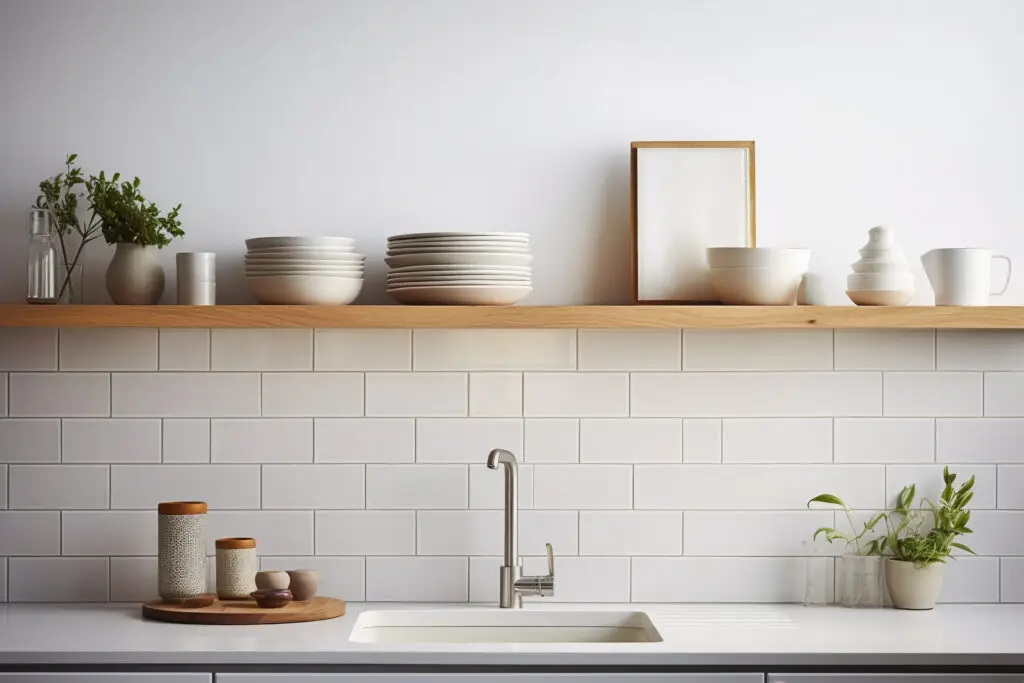
- Form: Comes in standard squares, rectangles (subway tile), hexagons, arabesques, and various mosaic formats.
- Porcelain Tile:
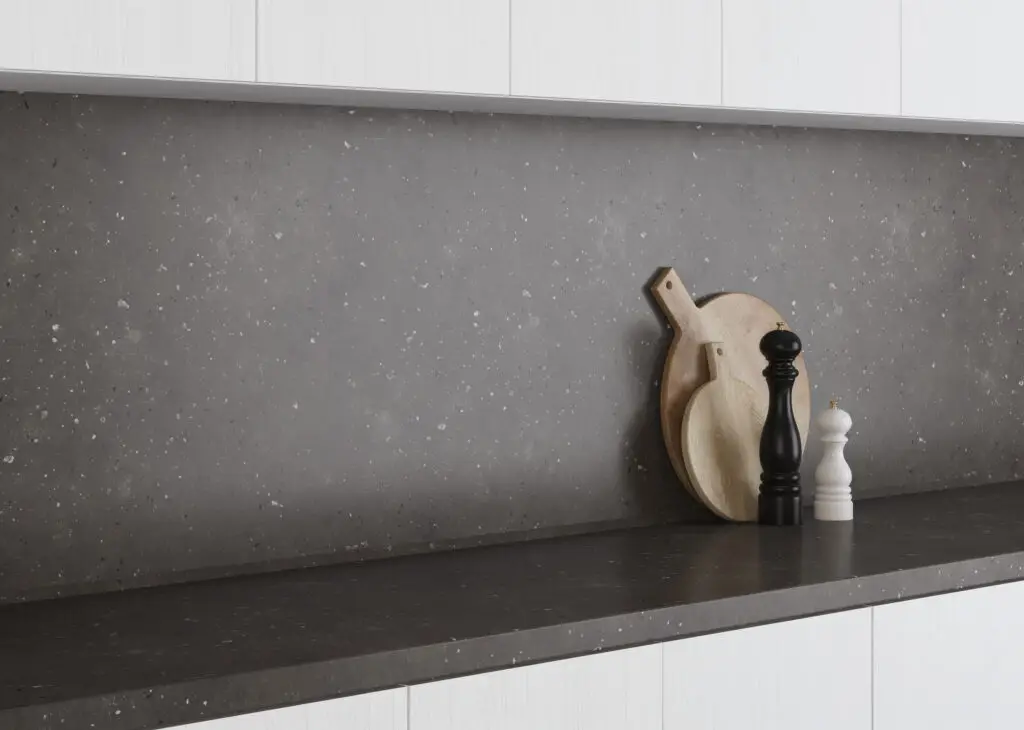
- Realistic Imitations: Porcelain excels at mimicking other natural materials with remarkable realism, such as wood-look porcelain, marble-look porcelain, and stone-look porcelain. This allows you to achieve the aesthetic of more expensive or high-maintenance materials with the durability and low maintenance of tile.
- Through-Body: Some porcelain tiles have the color and pattern extending all the way through the body of the tile, which means chips are less noticeable.
- Large Format: Due to its strength, porcelain is often available in very large formats, which can create a more seamless look with fewer grout lines.
- Texture: Can be manufactured with various textures, including subtle fabric-like finishes, rough stone appearances, or smooth, polished surfaces.
For a backsplash, where visual appeal is paramount, both materials offer ample opportunity for customization and aesthetic expression. Your choice often comes down to the specific look you desire and the practical performance you prioritize.
Cost comparison and installation tips
Budget and ease of installation are significant factors for any home renovation project.
- Cost Comparison (Material Only):
- Ceramic Tile: Generally the more budget-friendly option. Prices can range from very inexpensive (e.g., basic white subway tile) to moderate for more specialized designs.
- Porcelain Tile: Typically costs more per square foot than ceramic. However, prices vary widely depending on the design, finish, and whether it’s an imitation of a natural material. High-end porcelain can rival the cost of some natural stones.
- Installation Costs (Labor):
- Ceramic Tile: Often quicker and easier for installers to cut, which can translate to slightly lower labor costs.
- Porcelain Tile: Its hardness makes it more challenging and time-consuming to cut, potentially increasing labor costs, especially for intricate patterns or numerous cuts.
- DIY Potential:
- Ceramic: More DIY-friendly for beginners due to easier cutting.
- Porcelain: Possible for DIYers, but requires more specialized tools (like a wet saw with a diamond blade) and patience.
- Installation Tips (for both):
- Surface Preparation: Ensure the wall surface is clean, dry, flat, and free of grease or debris.
- Backer Board: While not always strictly necessary for a backsplash on drywall, using cement backer board provides a more stable and moisture-resistant substrate, especially around sinks.
- Adhesive: Use a high-quality thin-set mortar specifically recommended for tile installation.
- Grout: Choose a grout color that complements your tile and kitchen design. Apply grout sealer after installation to protect against stains.
- Professional Help: For a seamless, high-quality finish, especially with intricate designs, large format tiles, or if you’re uncomfortable with tiling, hiring a professional installer is always recommended.
Ultimately, both ceramic and porcelain are excellent choices for a kitchen backsplash. Your decision will hinge on your specific priorities: if budget and easy DIY installation are key, ceramic is a strong contender. If maximum durability, stain resistance, and the ability to mimic high-end materials are your top concerns, porcelain is likely the superior choice.
Ready to upgrade your kitchen with a beautiful and functional backsplash? Deluxe General Services specializes in professional tile installation, offering expertise in both ceramic and porcelain backsplash projects. Our experienced team can help you select the perfect material and ensure a flawless installation that enhances your kitchen’s style and durability. Contact us today for a free estimate!