

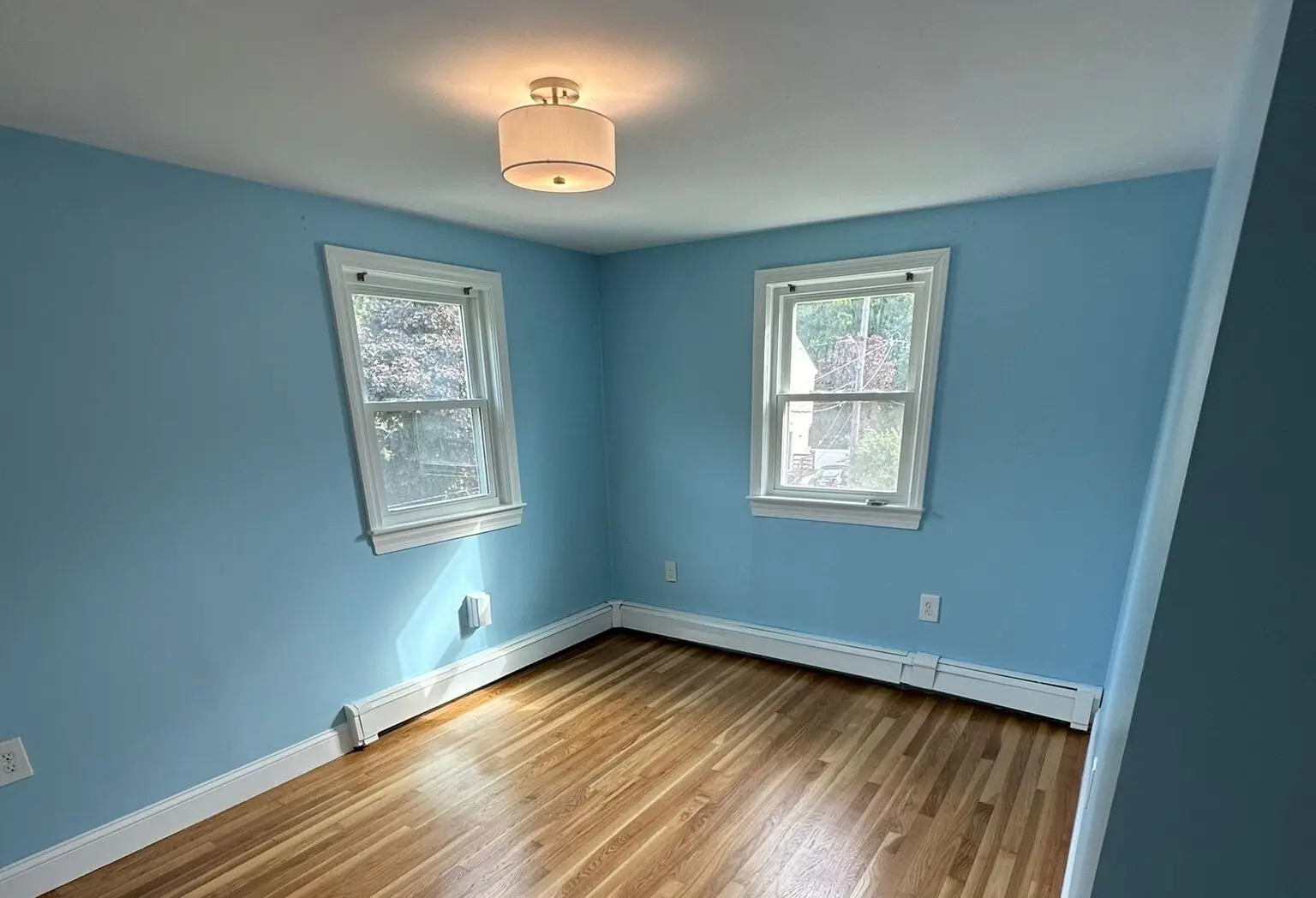
Painting a bedroom is one of the most cost-effective ways to refresh your home, adding both style and comfort. But before starting, most homeowners want to know: how much does it cost? The answer depends on several factors such as the size of the room, ceiling height, paint quality, and whether you choose to hire professionals or go the DIY route. Understanding these details will help you set a realistic budget and avoid surprises.
Factors that influence bedroom painting costs
Several elements directly impact the overall price of painting a bedroom.
Room size and wall height
- Square footage is the largest cost driver. A small bedroom requires less paint and fewer labor hours, while larger rooms increase both.
- Ceiling height also matters. Standard 8-foot walls are straightforward, but vaulted or cathedral ceilings require extra equipment and time, which raises costs.
Paint quality and finishes
- Paint grade makes a difference. Premium paints cost more but provide better coverage, longevity, and washability. This often reduces the need for frequent repaints.
- Finishes also affect pricing. Flat or matte finishes are cheaper, while satin and semi-gloss (often chosen for durability) cost more but are easier to clean—important for children’s rooms or high-traffic areas.
Labor vs DIY costs
- DIY painting reduces labor expenses but requires purchasing tools such as rollers, brushes, tape, drop cloths, and primer. Mistakes or uneven finishes may also lead to additional expenses down the road.
- Professional painters typically charge based on square footage or per room. While this increases upfront cost, hiring experts ensures proper preparation, even application, and a flawless result that lasts longer.
Average cost ranges for bedroom painting
Though exact costs vary, here are general estimates homeowners can expect:
- Small bedrooms (up to 150 sq. ft.): Lower end of the cost range, often quicker to complete.
- Medium bedrooms (150–250 sq. ft.): Mid-range pricing due to additional materials and time.
- Large bedrooms (250+ sq. ft.): Higher costs, especially if ceilings are tall or surfaces require repairs.
Pricing usually includes:
- Surface preparation (patching cracks, sanding, and priming).
- Two coats of quality paint for uniform coverage.
- Cleanup and finishing touches.
While DIY may appear cheaper, homeowners often find that professional application offers better value when factoring in longevity, labor time, and reduced risk of mistakes.
Tips to save on painting without losing quality
- Choose mid-range paints: These provide durability without the high price tag of premium brands.
- Do prep work yourself: Moving furniture, taping trim, and cleaning walls before professionals arrive can reduce labor hours.
- Bundle projects: Painting multiple rooms in one project often lowers the per-room cost.
- Stick to lighter shades: Light colors generally need fewer coats than bold or dark tones.
- Invest in primer: Skipping primer may seem like a saving, but it usually leads to uneven coverage and faster wear.
Dos and don’ts for bedroom painting costs
Do:
- Request detailed quotes that include labor, paint, and supplies.
- Ask professionals about the best finish for durability in your specific room.
- Consider repainting bedrooms during off-peak seasons when some contractors offer discounts.
Don’t:
- Focus only on the lowest price—cheaper paint or inexperienced labor can cost more in the long run.
- Forget about ceiling and trim, which are often priced separately.
- Overestimate your DIY skills if the room requires extensive prep or repair work.
Deluxe General Services provides professional painting services designed to balance cost-efficiency and long-lasting results. Our team ensures your bedroom is painted with high-quality products and expert care. Contact us today for a personalized estimate and transform your space with confidence.