

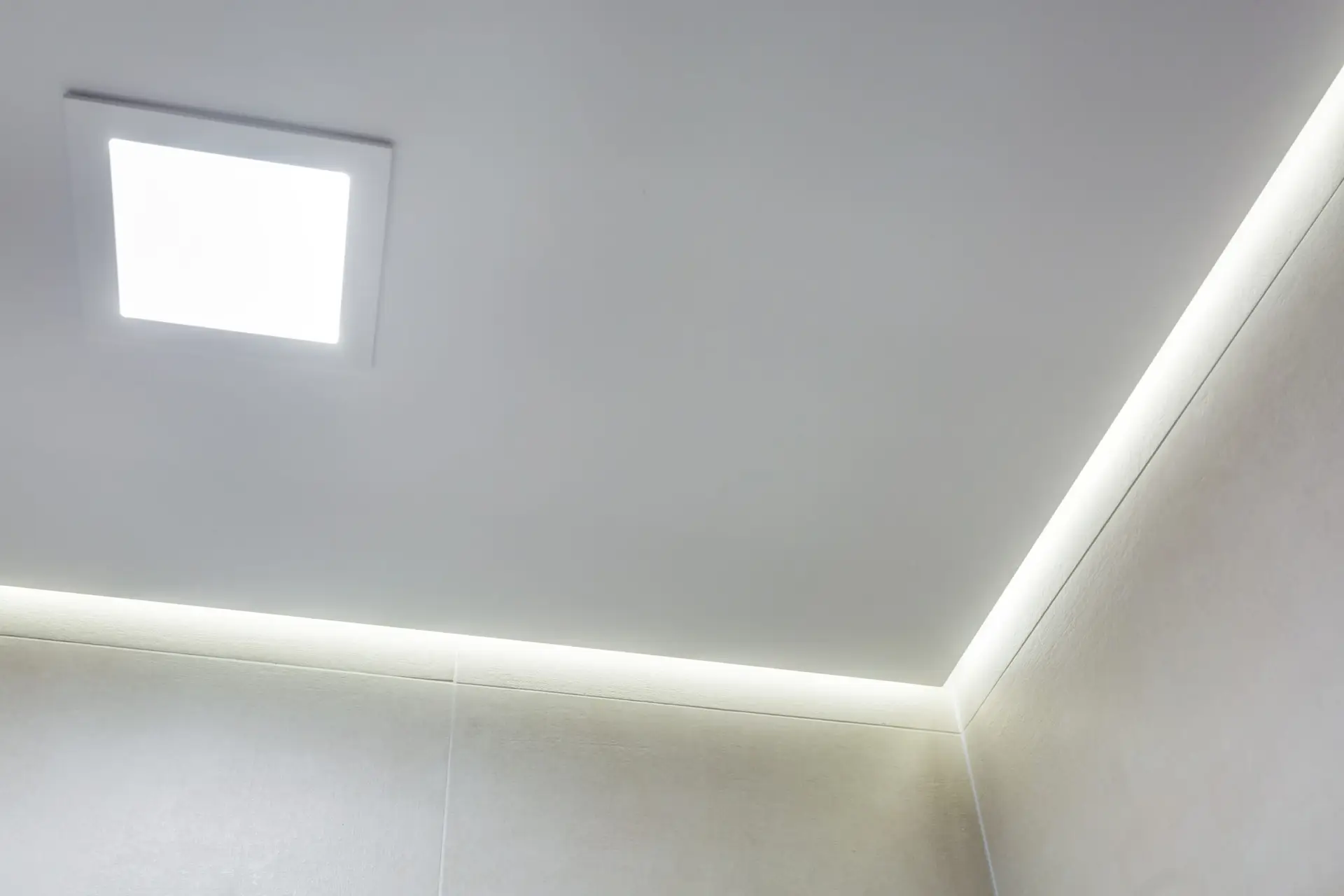
The bathroom, a sanctuary for relaxation, is also one of the most challenging environments for building materials due to its consistently high humidity and moisture levels. While standard drywall works well in most areas of a home, your bathroom ceiling requires a more specialized approach. Choosing the best drywall option for bathroom ceilings is crucial to prevent common issues like mold, mildew, sagging, and eventual breakdown, ensuring a long-lasting and healthy space.
Why regular drywall isn’t ideal for humid areas
Standard drywall, often called “white board” or “regular drywall,” is made from gypsum plaster pressed between sheets of paper. While it’s affordable and easy to install, its composition makes it highly susceptible to moisture-related problems:
- Paper Facing: The paper facing on regular drywall acts as a food source for mold and mildew when it gets wet. In a humid bathroom, condensation on the ceiling can easily provide the moisture needed for mold spores to proliferate.
- Water Absorption: Gypsum itself can absorb water. When it gets saturated, regular drywall loses its structural integrity, leading to sagging, crumbling, and eventual collapse.
- Lack of Durability: Constant cycles of moisture and drying can weaken regular drywall, causing paint to peel, joints to crack, and the overall surface to deteriorate much faster than in drier rooms.
In short, using regular drywall in a bathroom, especially on the ceiling where steam tends to rise and collect, is a recipe for premature failure and potential health hazards from mold growth.
Green board vs. Purple board vs. Cement board
When upgrading from regular drywall for a bathroom ceiling, you’ll encounter several moisture-resistant options.
- Green Board (Moisture-Resistant Drywall):
- Description: This is standard gypsum core drywall covered with a water-resistant (often wax-treated) paper facing, typically green in color. It’s designed to repel some moisture, making it a step up from regular drywall.
- Pros: More moisture-resistant than standard drywall, relatively affordable, easy to cut and install like regular drywall.
- Cons: It is moisture-resistant, not waterproof. The paper facing can still be a food source for mold, and prolonged saturation will cause it to fail. Not recommended for areas of direct water exposure (like inside a shower enclosure).
- Best For: Bathroom ceilings and walls that receive some humidity but are not subject to direct water spray. Often a suitable, cost-effective choice for general bathroom ceilings with good ventilation.
- Purple Board (Enhanced Moisture & Mold-Resistant Drywall):
- Description: This is an advanced version of moisture-resistant drywall, often featuring an enhanced mold and moisture-resistant gypsum core and fiberglass mat facers (instead of paper) or specialized paper facers that actively resist mold. Brands like National Gypsum’s Gold Bond® XP® Gypsum Board are examples.
- Pros: Superior resistance to moisture and mold compared to green board. Often offers improved fire resistance and sound dampening. Still installs similarly to regular drywall.
- Cons: More expensive than green board or standard drywall. While highly resistant, it’s still not completely waterproof.
- Best For: Bathroom ceilings and walls where enhanced mold and moisture protection is desired, particularly in bathrooms with high humidity levels and excellent ventilation. A premium drywall option for ceilings.
- Cement Board (Backer Board):
- Description: Made from cement, sand, and cellulose fibers. It’s extremely durable, heavy, and completely impervious to water.
- Pros: Completely waterproof and mold-proof. Provides an excellent, stable substrate for tile. Unaffected by continuous water exposure.
- Cons: Significantly heavier and harder to cut (requires a scoring tool or circular saw with a masonry blade) and install than drywall. More expensive than green or purple board. Requires taping seams with fiberglass mesh tape and thin-set mortar.
- Best For: Primarily used as a tile backer board for shower walls, tub surrounds, and bathroom floors. While it can be used on a ceiling (especially if tiling the ceiling), it’s generally overkill and too heavy for standard painted ceilings outside of direct shower areas.
For a painted bathroom ceiling, green board is often the minimum recommended, while purple board offers enhanced protection for slightly higher cost. Cement board is almost always reserved for tiled surfaces.
Mold-resistant drywall: Is it worth it?
Yes, mold-resistant drywall (like purple board or other fiberglass-faced gypsum boards) is definitely worth the investment for bathroom ceilings.
Here’s why:
- Health Benefits: Mold can trigger allergies, asthma attacks, and other respiratory issues. Using mold-resistant drywall significantly reduces the likelihood of mold growth, contributing to a healthier indoor environment.
- Longevity: By resisting moisture and mold, these specialized drywalls are far less likely to sag, discolor, or deteriorate over time, extending the lifespan of your ceiling and requiring fewer repairs or replacements.
- Peace of Mind: Knowing you’ve used a material specifically designed for humid conditions provides peace of mind against costly and frustrating mold remediation down the line.
- Minimal Price Difference for Big Benefits: The price difference per sheet between regular drywall and mold-resistant options is relatively small compared to the overall cost of a renovation or the potential cost of mold remediation.
Always ensure proper ventilation (a good exhaust fan) in conjunction with mold-resistant drywall, as no material can completely compensate for consistently poor airflow and high humidity.
Installation tips for bathroom ceiling drywall
Installing drywall on a ceiling, especially in a bathroom, requires careful planning and execution.
- Use 5/8″ Drywall: For ceilings, especially in bathrooms, always use 5/8″ thick drywall (regardless of whether it’s green board or purple board). The added thickness and rigidity help prevent sagging caused by moisture and gravity. Use sag-resistant type if available.
- Proper Fasteners: Use drywall screws that are specifically designed for gypsum board and are long enough to penetrate the ceiling joists by at least 1 inch. For bathroom ceilings, consider using corrosion-resistant screws to prevent rust bleed-through onto your finished surface. Space screws no more than 7 inches on center along joists.
- Vapor Barrier (Optional but Recommended): In some climates or for added protection, a vapor barrier (like 6-mil poly sheeting) can be installed on the warm side of the insulation, behind the drywall, to prevent moisture from migrating into the wall cavity. Consult local building codes.
- Seal Seams: Use fiberglass mesh tape (self-adhesive is easiest) or paper tape and moisture-resistant setting-type joint compound (powder that mixes with water and hardens quickly) for seams. While standard joint compound is fine for finishing, the setting-type is less prone to re-wetting and stronger.
- Excellent Ventilation: Ensure your bathroom has a properly sized and functioning exhaust fan. This is the single most important factor in preventing moisture buildup on your ceiling. The fan should vent directly outside, not into an attic space.
- Prime and Paint with Quality: Once the drywall is installed and finished, apply a quality mold-inhibiting primer specifically designed for bathrooms, followed by two coats of a paint with a satin or semi-gloss finish. These sheens are more washable and moisture-resistant than flat paints.
Cost considerations and long-term durability
The choice of drywall for your bathroom ceiling will impact both your immediate budget and the long-term health and value of your home.
- Cost Comparison (Materials Only, Per 4×8 sheet):
- Regular Drywall (1/2″): Least expensive, typically $10-$15.
- Green Board (1/2″ or 5/8″): Moderate, around $15-$25.
- Purple Board (5/8″): Higher end for drywall, around $25-$40.
- Cement Board (1/2″): Most expensive per sheet for non-tiled ceilings, around $30-$50, plus more for specialized fasteners and thin-set.
- Note: Prices are estimates and vary by region and supplier.
- Installation Costs: Labor costs for hanging and finishing drywall on a ceiling average $1.50 – $4.00+ per square foot, depending on height, complexity, and local rates. While the material cost difference between regular and specialized drywall is noticeable, it’s often a small percentage of the total installation labor cost.
- Long-Term Durability: Investing in moisture and mold-resistant drywall like green board or purple board offers superior long-term durability in a bathroom environment.
- Reduced Repairs: Less likely to sag, crack, or develop mold, saving you from future costly repairs, re-taping, or even full ceiling replacement.
- Healthier Home: Prevents the growth of mold and mildew, contributing to better indoor air quality and a healthier living space.
- Enhanced Home Value: A well-maintained, mold-free bathroom is a significant selling point and contributes to the overall perceived quality and value of your home.
Choosing the right drywall for your bathroom ceiling is a critical decision that balances upfront costs with long-term benefits. Prioritizing moisture and mold resistance will protect your investment and ensure your bathroom remains a clean, healthy, and beautiful space for years to come.
Planning a bathroom renovation or need professional drywall installation? Deluxe General Services specializes in expert drywall installation, including specialized solutions for high-humidity areas like bathrooms. Our experienced team ensures your ceiling is installed with the right materials and techniques for lasting durability and a flawless finish. Contact us today for a free estimate!