

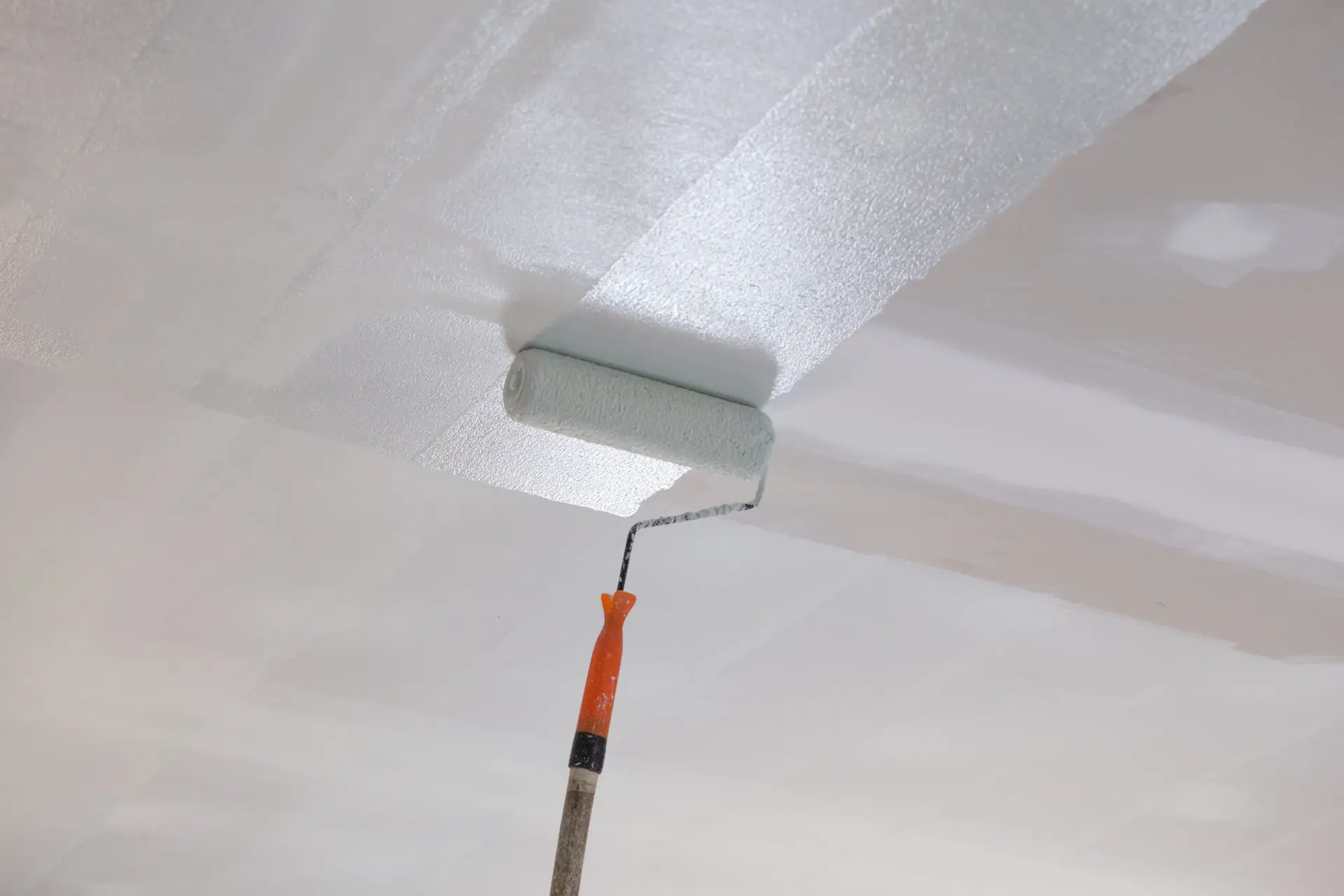
A garage is more than just a place to park your car; it’s often a workshop, storage area, and sometimes even an extension of your living space. Because garages endure more wear and tear, temperature fluctuations, and potential spills than other rooms, choosing the right paint for the walls and ceiling is essential for both aesthetics and durability. Selecting the correct type and finish will ensure your garage stays looking good and withstands the demands placed upon it.
Choosing durable paint for garages
Durability is the number one consideration when selecting paint for garage walls and ceilings. Unlike interior living spaces, garages face unique challenges:
- Temperature Fluctuations: Garages, especially unheated ones, can experience significant swings in temperature, which can cause less flexible paints to crack or peel.
- Humidity and Moisture: Vehicles can track in moisture, and humidity levels can fluctuate, making mildew resistance important.
- Abrasion and Scuffs: Walls are susceptible to bumps from car doors, tools, and stored items.
- Stains and Grime: Oil, grease, dirt, and other contaminants are common in a garage environment.
For these reasons, the best paints for garages offer excellent adhesion, flexibility, and a hard, washable finish.
- Latex (Acrylic Latex) Paint: This is generally the most recommended and popular choice for garage walls and ceilings.
- Pros: Water-based for easy cleanup, low odor, dries quickly, flexible (resists cracking from temperature changes), and available with mildewcides for moisture resistance. Many varieties offer good durability and scrubbability.
- Cons: Not as chemical or abrasion resistant as epoxy paints.
- Epoxy Paint: While often associated with garage floors, epoxy paints (typically a two-part system) can also be used on walls for ultimate durability.
- Pros: Extremely durable, highly resistant to chemicals, abrasion, stains, and moisture. Provides a very hard, often high-gloss finish that’s easy to clean.
- Cons: More expensive, more difficult to apply, requires precise mixing, and has a stronger odor during application.
- Oil-Based (Alkyd) Paint:
- Pros: Offers a very hard, durable finish that resists chipping and provides excellent adhesion. Good for high-traffic areas.
- Cons: Longer drying times, strong odor (high VOCs), requires mineral spirits for cleanup, and can become brittle over time, potentially leading to cracking with temperature fluctuations. Generally, modern acrylic latex paints have surpassed oil-based for most garage wall applications due to their flexibility and ease of use.
Recommendation: For most homeowners, a high-quality, 100% acrylic latex interior paint (especially one designed for high-traffic areas or with mildewcide) is the ideal choice for garage walls and ceilings. If your garage sees extremely heavy use, chemical exposure, or you desire the absolute toughest finish, consider an epoxy coating.
Wall paint vs. Ceiling paint
In many cases, you can use the same type of paint for both your garage walls and ceiling, especially if you’re aiming for a cohesive look and consistent durability.
- Consistency: Using the same product across both surfaces simplifies purchasing and application.
- Durability Needs: Garage ceilings, while less prone to scuffs than walls, still benefit from the durability, washability, and moisture resistance offered by the recommended paints for walls.
- Lighting and Brightness: Many people choose a lighter color (often white) for the ceiling to maximize light reflection and make the garage feel brighter and more open. If you choose a different color for your walls, ensure the ceiling color complements it.
While a dedicated “ceiling paint” is often a flat finish for hiding imperfections, in a garage, you might want a slightly higher sheen on the ceiling for better light reflection and easier cleaning, making a satin or eggshell finish (often used on walls) a viable choice for ceilings too.
Finish options for high-traffic areas
The paint finish, or sheen, you choose directly impacts the durability, cleanability, and appearance of your garage walls and ceiling.
- Flat/Matte:
- Pros: Hides surface imperfections well, provides a uniform, non-reflective look.
- Cons: Least durable, very difficult to clean, susceptible to scuffs and stains.
- Recommendation: Generally not recommended for garage walls or ceilings due to the demands of the space.
- Eggshell/Satin:
- Pros: Offers a subtle, low sheen; more durable and easier to clean than flat; good at hiding minor imperfections.
- Cons: Not as highly washable as semi-gloss or gloss.
- Recommendation: A good balance of aesthetics and performance for garage walls, providing a cleanable surface that can still camouflage some minor wall texture or imperfections.
- Semi-Gloss:
- Pros: Provides a noticeable sheen, highly durable, very easy to clean (wipes down well), and resistant to stains and scuffs. Reflects light well, brightening the space.
- Cons: Can highlight wall imperfections more than lower sheens.
- Recommendation: Highly recommended for garage walls and ceilings due to its superior cleanability and durability, making it excellent for high-traffic, utilitarian spaces.
- Gloss:
- Pros: The most durable and washable finish, creating a very hard, reflective surface. Excellent for light reflection.
- Cons: Magnifies every single wall imperfection.
- Recommendation: While very durable, the high sheen might be too intense for some, and it requires perfectly smooth walls to look good. Often used more for specific features or accent areas rather than entire walls.
For optimal balance of durability, cleanability, and appearance, semi-gloss or satin are generally the best choices for garage walls and ceilings.
Recommended products
When selecting paint, investing in quality pays off with better durability and a longer-lasting finish. Here are some types and brands often recommended by professionals:
- For General Use (Walls & Ceiling):
- High-Quality 100% Acrylic Latex Interior Paint: Look for formulations designed for high-traffic areas or bathrooms/kitchens, as these often contain mildewcides and offer enhanced scrubbability.
- Sherwin-Williams: Duration Home Interior, Emerald Interior, or SuperPaint Interior Acrylic Latex.
- Benjamin Moore: Regal Select Interior, Aura Interior.
- Behr: Marquee Interior, Premium Plus Interior (available at major home improvement stores).
- High-Quality 100% Acrylic Latex Interior Paint: Look for formulations designed for high-traffic areas or bathrooms/kitchens, as these often contain mildewcides and offer enhanced scrubbability.
- For Concrete/Masonry Walls (if applicable):
- Look for acrylic masonry paint that is suitable for interior use. These are designed to adhere well to porous surfaces and offer good breathability.
- For Ultimate Durability (Walls or Floors):
- Epoxy Coatings: While typically a floor product, specialized epoxy paints can be applied to walls for maximum resistance to chemicals and abrasion. Brands like Rust-Oleum or specific two-part garage floor epoxy kits can be adapted.
- Primers: Always use a good quality primer, especially on new drywall or if you’re dealing with stains or a drastic color change.
- PVA Primer: Essential for new, unpainted drywall to seal the surface.
- Stain-Blocking Primer: For any existing stains (water, oil, grease) to prevent them from bleeding through the new paint.
- Bonding Primer: If painting over a very glossy surface or old oil-based paint, a bonding primer ensures proper adhesion. Brands like Kilz, Zinsser, or specific bonding primers from Sherwin-Williams or Benjamin Moore are excellent.
Remember to properly prepare the surfaces – cleaning, patching, and priming – for the best results, regardless of the paint you choose. Good preparation is the foundation of a lasting garage paint job.