

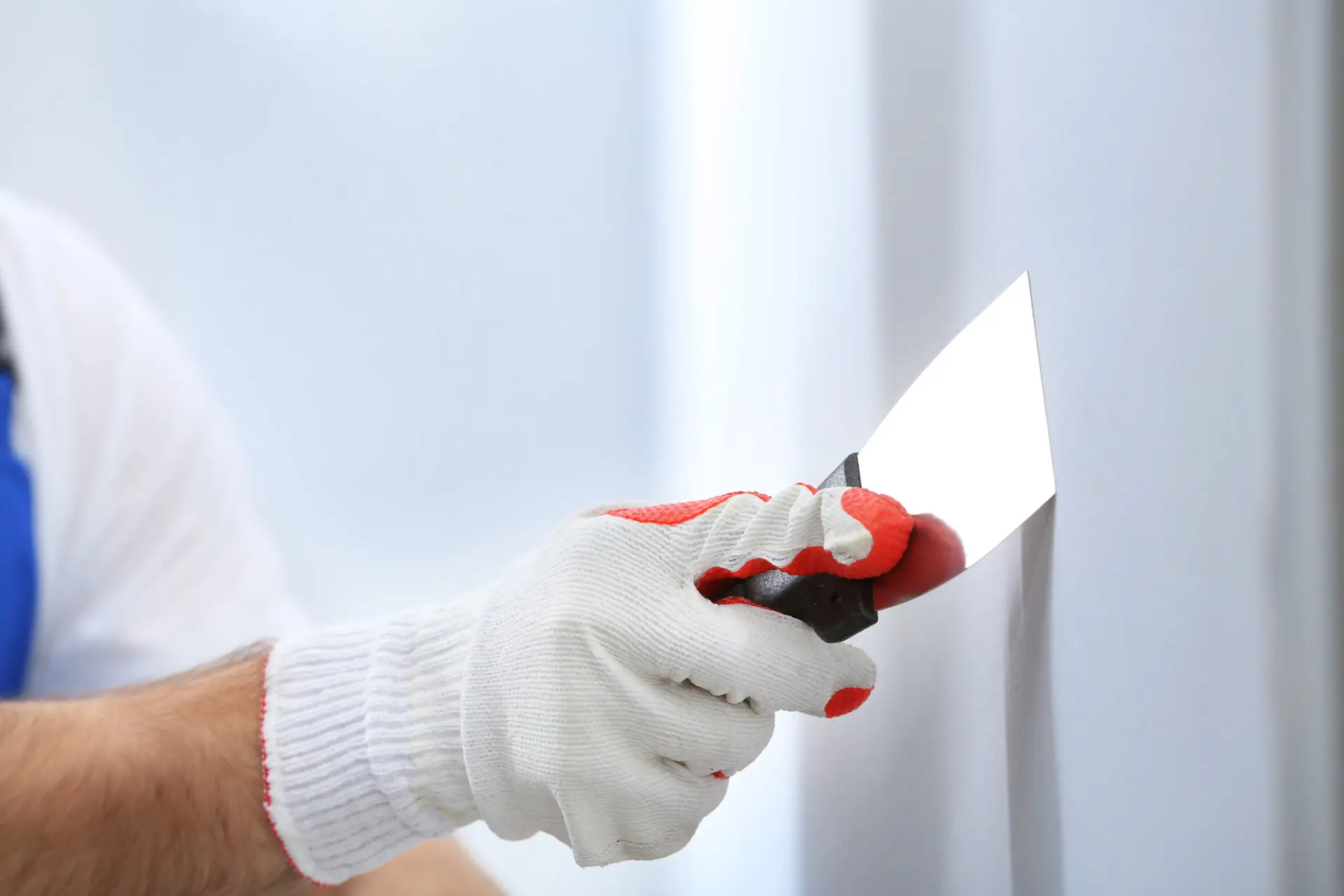
Drywall damage is a common household woe, ranging from small nail pops to significant holes or water stains. While it might seem daunting, understanding the costs involved in drywall repair can help you budget and make informed decisions. This guide breaks down what impacts the price of professional drywall repair and helps you navigate the process.
National average for drywall repair
The national average cost for drywall repair typically ranges from $150 to $400, but this can vary widely depending on the extent of the damage and the type of repair needed. Minor fixes might fall below this range, while extensive damage can push costs significantly higher, sometimes reaching over $1,000. These figures usually include both labor and materials for a standard repair.
Key factors that influence cost
Several variables play a significant role in determining the final price of your drywall repair project.
Size of damage
Unsurprisingly, the size of the damage is one of the biggest cost drivers.
- Small Holes (e.g., nail pops, screw holes, minor dings): These are the least expensive to fix, often ranging from $50 to $150 per hole. They require minimal material and labor.
- Medium Holes (e.g., doorknob holes, fist-sized holes): These repairs are more involved, requiring patches and more extensive mudding and sanding. Costs typically range from $100 to $300 per hole.
- Large Holes (e.g., significant impact damage, sections of drywall removed): Repairing large sections, or even an entire sheet of drywall, is the most costly. These can range from $300 to $800 per hole/section, or even more if multiple sheets need replacement or if the area requires extensive finishing.
- Cracks: The cost of crack repair depends on their length and severity. Small hairline cracks might be a simple fill, while longer, structural cracks could indicate underlying issues, requiring more extensive (and costly) repair.
Labor and materials
The total cost is a combination of the drywall contractor’s labor and the necessary materials.
- Labor: This usually makes up the largest portion of the repair cost. Drywall contractors typically charge by the hour (ranging from $40 to $100 per hour) or by the project. Experienced professionals will charge more, but their efficiency and quality of work often justify the price. The complexity of the repair, including matching textures or working in difficult-to-access areas, will also influence labor time.
- Materials: Materials for basic drywall repair are relatively inexpensive. This includes drywall sheets or patches, joint compound (mud), drywall tape, sandpaper, and primer. However, specialized materials for moisture-resistant drywall (e.g., green board or purple board for bathrooms) or soundproof drywall will increase material costs slightly. The cost of paint to match your existing wall color will also be an additional material expense.
Cost by repair type (holes, cracks, water damage)
Different types of drywall damage require specific approaches, which impact the repair cost.
- Holes: As detailed above, costs for holes vary greatly by size. A small nail hole is a quick fix, while a large hole might require cutting out a section of drywall, installing backing, patching with a new piece, and then extensive mudding, sanding, and finishing.
- Cracks:
- Hairline Cracks: Often repaired with a simple application of joint compound and light sanding, costing $75 – $200.
- Stress Cracks: Longer or wider cracks, especially those appearing near doorframes or windows, might require drywall tape (paper or mesh) embedded in joint compound to prevent recurrence. These can cost $150 – $400.
- Structural Cracks: If cracks are severe, widespread, or indicate foundation issues, the drywall repair cost will be secondary to addressing the underlying structural problem, which can be very expensive.
- Water Damage: This is often the most complex and costly type of drywall repair.
- Assessment: First, the source of the water leak must be identified and fixed.
- Mold Mitigation: If mold is present, it must be safely and thoroughly removed, which can add significantly to the cost ($500 to $1,500+ for professional mold remediation, depending on severity).
- Repair/Replacement: Water-damaged drywall often needs to be completely cut out and replaced because it loses structural integrity and is prone to mold. Repairing a water-damaged ceiling section can range from $200 to $700 for a small area, going much higher for larger sections or if ceiling texture matching is required.
DIY vs Professional repair: Cost comparison
Deciding between a do-it-yourself (DIY) repair and hiring a professional comes down to cost, complexity, and your skill level.
- DIY Cost: For small, simple repairs (like nail holes or small dings), DIY can be very inexpensive, costing $10 – $50 for materials (spackle, sandpaper, small patching kit). For medium-sized holes, you might spend $30 – $100 on a larger patch, joint compound, tape, and tools.
- Pros: Very low material cost, satisfying to do yourself.
- Cons: Requires time and patience, can be messy, achieving a perfectly smooth and blended finish (especially with texture matching) is difficult for novices, risk of poor results if inexperienced, which might require professional correction later.
- Professional Repair Cost: As outlined, this ranges from $150 to $400+ for most common repairs, including labor and materials.
- Pros: Guaranteed high-quality, seamless finish; saves time and effort; professional contractors have the right tools and expertise for texture matching; often includes cleanup.
- Cons: Higher upfront cost compared to DIY.
Recommendation: For small, minor cosmetic issues, DIY can be a good option. However, for anything larger than a doorknob hole, water damage, extensive cracking, or if you need a perfectly seamless finish that blends into your existing wall texture, hiring a professional like Deluxe General Services is highly recommended to ensure a durable and aesthetically pleasing repair.
How to get a fair estimate from a contractor
Getting multiple, detailed estimates is crucial to ensure you’re paying a fair price for your drywall repair.
- Get Multiple Quotes: Contact at least 3 local contractors for estimates. This allows you to compare pricing and identify any significant outliers.
- Be Specific About the Damage: Clearly describe the type, size, and location of the damage. Send photos or videos if possible.
- Request an On-Site Visit: For anything more than a tiny hole, insist on an in-person assessment. A contractor needs to see the damage firsthand to accurately gauge the complexity, potential underlying issues (like water source for water damage), and necessary materials.
- Ask for a Detailed Written Estimate: The estimate should clearly break down:
- Labor Costs: Hourly rate or flat fee for the project.
- Material Costs: Itemized or a lump sum for materials.
- Scope of Work: What exactly is included (e.g., patching, mudding, sanding, priming, texture matching, cleanup)?
- Timeline: Estimated start and completion dates.
- Warranty: Does the work come with a guarantee?
- Exclusions: What is NOT included (e.g., painting the repaired area)?
- Inquire About Texture Matching: If your walls have a specific texture (e.g., knockdown, orange peel, smooth), confirm that the contractor can match it seamlessly. This requires specialized skill and might be an additional cost.
- Check References and Reviews: Look for contractors with positive reviews and ask for references from previous clients. Reputable professionals will be happy to provide them.
- Don’t Always Go for the Lowest Bid: While cost is important, prioritize value. The cheapest bid might indicate cutting corners on materials or labor quality, leading to future problems.
By following these steps, you can confidently choose a qualified professional like Deluxe General Services to handle your drywall repair, ensuring a smooth process and a flawless finish.