

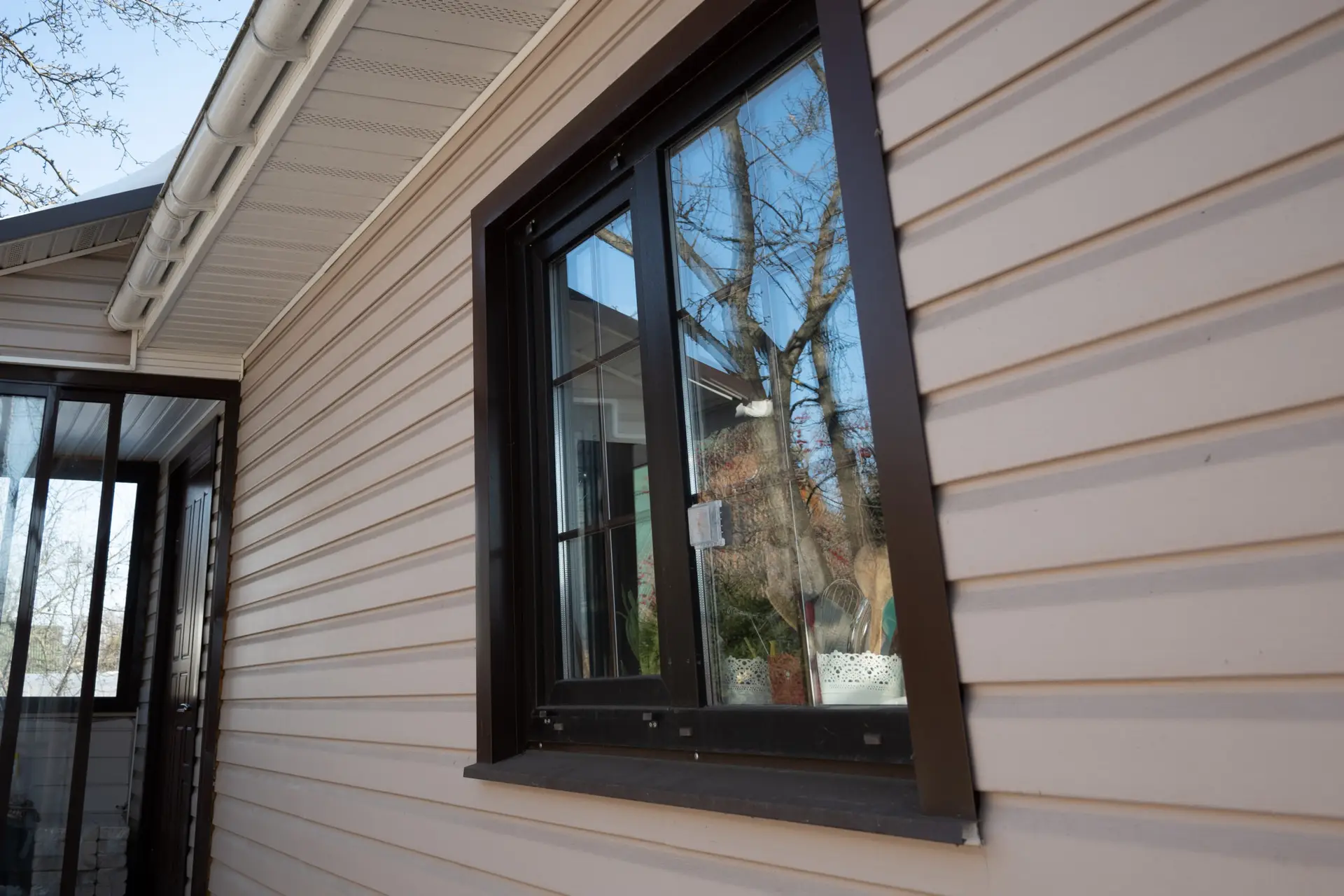
When planning a new build or exterior renovation, you’ll often hear the terms “cladding” and “siding.” While often used interchangeably, especially in North America, they refer to distinct systems that protect and beautify a building’s exterior. Understanding their differences is key to choosing the best option for your property.
Definitions: siding vs cladding
- Siding: In North America, “siding” typically refers to the outermost layer of a building’s exterior wall system, installed in overlapping horizontal or vertical panels. Its primary function is to protect the structure from weather, provide insulation, and contribute to the aesthetic appeal. Common examples include vinyl siding, fiber cement siding, and wood siding. The term often implies a more traditional, panel-based application.
- Cladding: “Cladding” is a broader, more encompassing term, widely used internationally (especially in the UK, Australia, and parts of Europe) but also gaining traction in North America, particularly for modern architectural projects. It refers to any non-load-bearing outer layer applied to a building’s exterior. Cladding systems are designed to provide a protective skin, enhance insulation, and create a specific visual aesthetic. This can include individual panels, rainscreens, or continuous sheets.
In essence: All siding is a type of cladding, but not all cladding is siding. Siding is a specific form of panelized cladding. Cladding encompasses a wider range of materials and installation techniques.
Materials used: vinyl, fiber cement, metal, stone, composite
Both siding and cladding systems utilize a diverse range of materials, each with unique properties:
- Vinyl:
- Siding: Most common in North America. Lightweight, affordable, low-maintenance, and comes in various colors and styles.
- Cladding: Can also be used as a general cladding material, often in panel forms.
- Fiber Cement (e.g., HardiePlank):
- Siding: Highly durable, fire-resistant, rot-resistant, and can mimic wood grain. Requires painting.
- Cladding: Used for a wide range of looks, from traditional lap siding to modern panel systems.
- Metal (Steel, Aluminum, Zinc, Copper):
- Siding: Less common for traditional residential siding, but gaining popularity for modern designs.
- Cladding: Very popular for contemporary and commercial buildings. Offers durability, sleek aesthetics, and can be installed in various forms (panels, corrugated sheets, standing seam).
- Stone/Brick:
- Siding: Can refer to traditional masonry (bricks, stone blocks) laid directly.
- Cladding: Often refers to thinner stone or brick veneers that are applied over a structural wall, providing the look of masonry without the full weight and cost.
- Wood:
- Siding: Traditional wood lap siding, shingles, or shakes. Offers natural beauty but requires more maintenance.
- Cladding: Can involve more elaborate wood panel systems, often incorporated into rainscreen designs.
- Composite (e.g., Wood-Plastic Composites):
- Siding: Durable, low-maintenance alternative that often mimics wood without the need for frequent painting.
- Cladding: Used in various panel forms for a modern, often eco-friendly aesthetic.
Installation methods: direct vs frame-mounted
The way these materials are installed significantly impacts their performance and the building’s overall envelope.
- Direct-to-Sheathing (Common for Siding): Many traditional siding types (like vinyl or fiber cement lap siding) are installed directly over the building’s sheathing and weather-resistant barrier (WRB). This is a simpler, more cost-effective method.
- Frame-Mounted/Rainscreen Systems (More Common for Cladding): More advanced cladding systems, especially modern panelized ones, often use a rainscreen design. In this method, the exterior cladding is mounted on a sub-frame or furring strips, creating a ventilated air gap between the cladding and the primary weather barrier.
- Benefits of Rainscreen: Improves drainage, allows for drying of the wall assembly, significantly enhances insulation performance, and contributes to better moisture management and building durability. This is particularly beneficial in preventing mold and extending the life of the building envelope.
Performance: insulation, weather protection, durability
Both siding and cladding aim to protect your home, but their performance levels can vary.
- Insulation: While both provide some thermal resistance, cladding systems, especially those incorporating a ventilated rainscreen, can significantly improve a building’s energy efficiency by creating an additional thermal break and allowing moisture to escape, preserving insulation integrity.
- Weather Protection: Both are designed to keep out rain, wind, and snow. Cladding systems with advanced drainage planes and air gaps often offer superior long-term weather protection, minimizing the risk of moisture penetration into the wall assembly.
- Durability: Material-dependent. Metal, fiber cement, and stone cladding tend to be highly durable and long-lasting. Vinyl siding is also durable but can be susceptible to warping in extreme heat or impact damage.
Cost comparison & maintenance requirements
- Cost:
- Siding: Generally, traditional vinyl or basic fiber cement siding tends to be more budget-friendly in terms of initial installation cost.
- Cladding: High-performance cladding systems (like rainscreen with metal or advanced composites) typically have a higher upfront cost due to materials and more complex installation.
- Maintenance:
- Low Maintenance: Vinyl, metal, and composite materials generally require less maintenance (periodic cleaning).
- Moderate Maintenance: Fiber cement siding needs repainting every 10-15 years.
- Higher Maintenance: Wood siding requires regular sealing, staining, or painting.
- Stone/Brick: Very low maintenance once installed.
Aesthetic considerations: traditional vs modern
- Traditional Aesthetics (Siding): Often associated with classic horizontal lap siding, wood shakes, or brick veneers, creating a timeless, familiar residential look.
- Modern Aesthetics (Cladding): Modern cladding systems often feature sleek, large-format panels, vertical lines, or unique textures (e.g., corrugated metal, smooth fiber cement panels, exposed fasteners), giving a contemporary, minimalist, or industrial appearance.
How to decide for your building
Choosing between siding and a more advanced cladding system depends on several factors:
- Budget: What is your upfront investment capacity?
- Desired Aesthetics: Do you prefer a traditional or modern look?
- Performance Needs: Are energy efficiency, superior moisture management, and long-term durability top priorities?
- Maintenance Tolerance: How much upkeep are you willing to commit to?
- Local Climate: Does your climate require advanced weather protection or significant insulation?
- Building Type: Residential homes often lean towards traditional siding, while custom homes or commercial projects might opt for advanced cladding.
Deluxe General Services specializes in comprehensive exterior solutions. Whether you’re considering traditional siding or a modern cladding system, our experts can help you assess your needs, understand the best materials and installation methods, and deliver a durable, beautiful, and high-performing exterior for your building.